The course

The 8-Week Journey

Eight themed weeks through the four seasons of your practice. Every week pairs a set of workbook questions with yoga poses, so all 102 questions and all 52 poses are covered in two focused months.

The eight weeks

Week 1♠ WinterFoundation

Stand on Solid Ground

Begin at the still point. Meet the workbook, learn the spread, and answer the first questions about how you arrive in your own life.

Affirmations

  • A♠“God’s supply is in abundance now that you accept His gifts.”
  • 2♠“I have the strength of ten because my heart is filled with the light of truth.”

Haiku

  • overly the wintrybold sparrowcompanies flyscarecrow to scarecrow–Sazanami
  • my very bone-endsmade contact withthe icy quiltsof deep decemberBuson

Mudra meditation

  • Trisula Mudra
  • Sikhara Mudra
Health corner:
Creating vitality and wellness. Our bodies have a blueprint for healing and wellness.

Yoga poses (7)
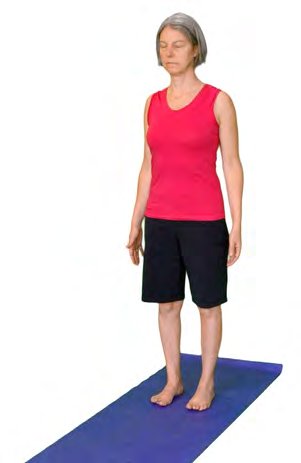
  • Tadasana, Mountain

    Tadasana

    Mountain

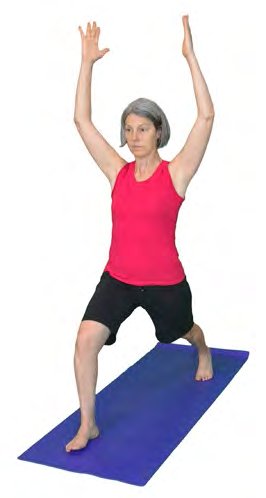
  • Virabhadrasana-I, Warrior I

    Virabhadrasana-I

    Warrior I

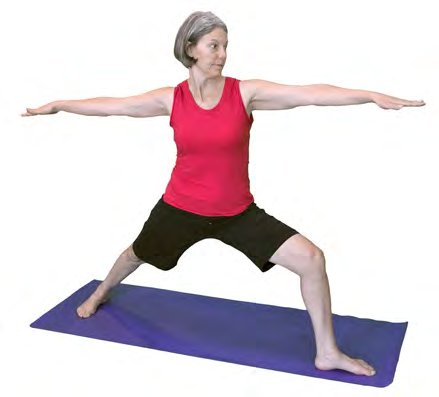
  • Virabhadrana-II, Warrior II

    Virabhadrana-II

    Warrior II

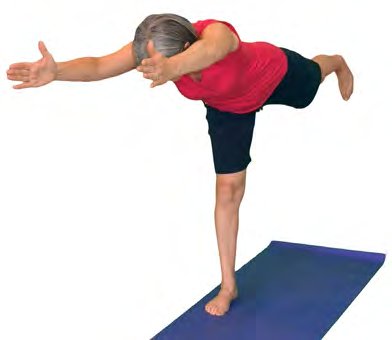
  • Virabhadrasana-III, Warrior III

    Virabhadrasana-III

    Warrior III

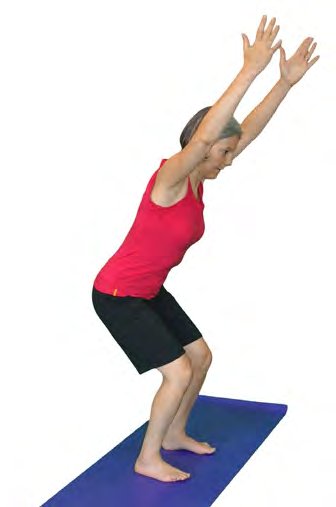
  • Utkatasana, Chair Pose

    Utkatasana

    Chair Pose

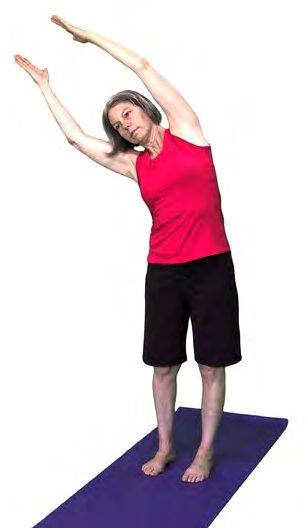
  • Tadasana Urdvha Hastasana, Standing Side Bend

    Tadasana Urdvha Hastasana

    Standing Side Bend
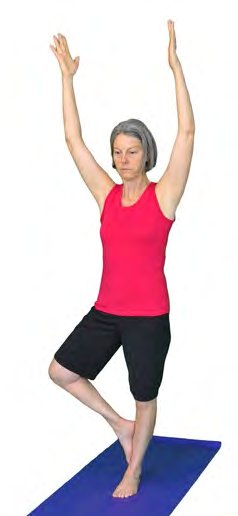
  • Vrkshasana, Tree

    Vrkshasana

    Tree

Week 2♠ WinterAwareness

See What Is Here

Turn inward with honest eyes. Awareness grows when you look at beliefs, memories and relationships without judgment.

Affirmations

  • 8♠“Hate is poison, slowly seeping into the heart, bringing a cruel death in its wake.”
  • 9♠“Love all alike, free from attachment.”

Haiku

  • midnight wandererwalking throughthe snowy street...echoing dog-bark–Shiki
  • blinding wildsnow blows, whirlsand drifts aboutme... in this worldalone- Chora----

Mudra meditation

  • Suci Mudra
  • Tamracuda Mudra
Chakra:
Muladhara, the 1st chakra
Limb of yoga:
Yama
Health corner:
Stress response. Essential for life and essential to balance.
Assignment:
Creating Resolve Exercise

Yoga poses (6)

  • Utthita Tadasana, Five Pointed Star

    Utthita Tadasana

    Five Pointed Star

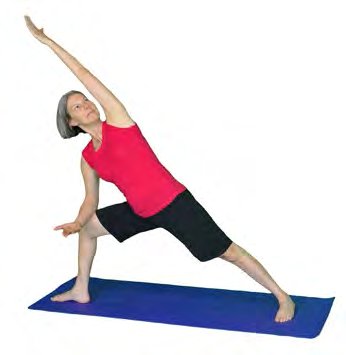
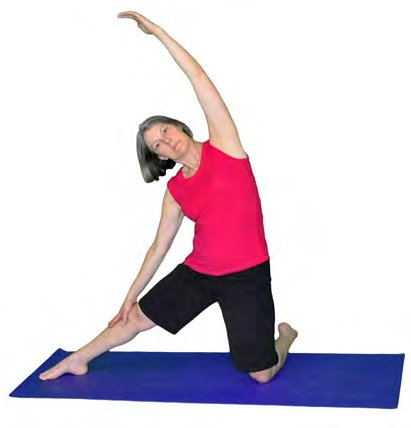
  • Parsvakonasana, Lateral Angle

    Parsvakonasana

    Lateral Angle

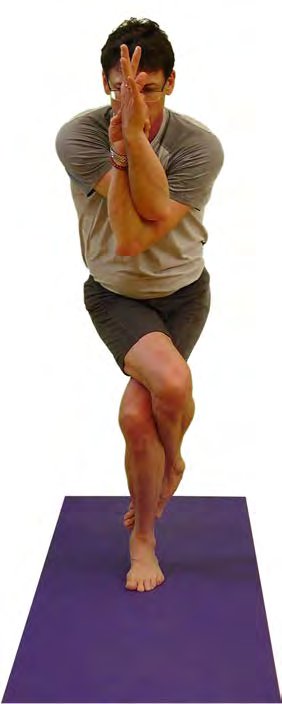
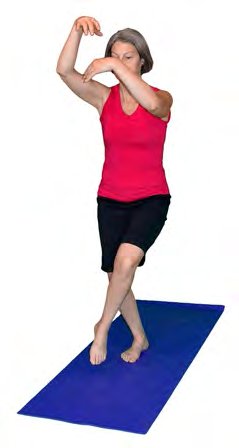
  • Garudasana, Eagle

    Garudasana

    Eagle

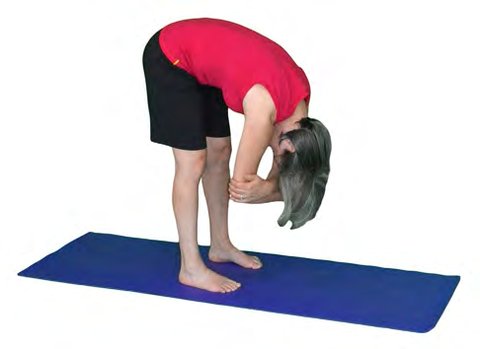
  • Uttanasana, Standing Forward Fold

    Uttanasana

    Standing Forward Fold

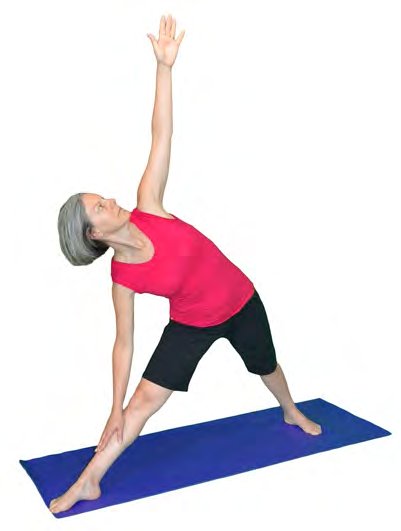
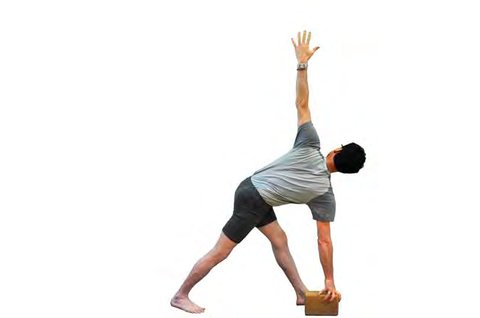
  • Utthita Trikonasana, Extended Triangle

    Utthita Trikonasana

    Extended Triangle

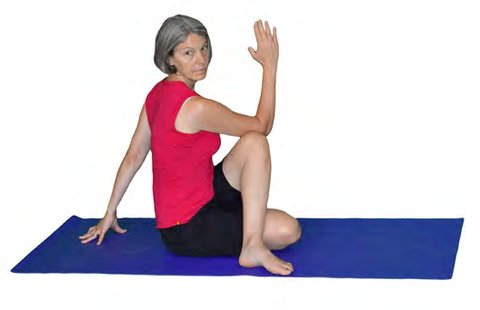
  • Parivritti Trikonasana, Revolved Triangle

    Parivritti Trikonasana

    Revolved Triangle

Workbook questions 14–26

  1. Q14How might your feeling more relaxed in life affect the way you experience Nature's landscape? Please explain:
  2. Q15What is the difference between guiding wisdom and guiding logic in your life?
  3. Q16There are many ways to turn an impulsive behavior into a constructive exercise. Please list a few examples as to how you have done this for yourself:
  4. Q17When looking at the chart of emotions (to the left), you may notice the absence of one very strong emotion: Shame. Please take the time to journal what shame is to you. What role, if any, does it play in your life:
  5. Q18When doing yoga, how do the physical and emotional barriers in your body present themselves to you? Is there an overall theme to these barriers or blockages. Please explain:
  6. Q19What responsibility do you take for the root cause of stress in your life? How are you working through this problem?
  7. Q20Often, when you are alone, is there anything that you tend to think and/or feel over and over again? Please explain:
  8. Q21How is your body and mind like a sponge in that it clings and holds on to the impressions from the outside world?
  9. Q22How might the repetitive use (or thought) of certain words affect your emotional being? Please explain:
  10. Q23How in your efforts to care for yourself, might you make a difference in the lives of other people?
  11. Q24Whenever you are hard on yourself, how does the world around you seem to appear or change?
  12. Q25The last time something really took your breath away could best be described as having had what kind of effect on you:
  13. Q26In life, we all seem to have insecurities. Is there an insecurity in your life that you're willing to share and let go of for good? Please explain:
Week 3♥ SpringRenewal

Let the Thaw Begin

The ground softens. Set fresh intentions, loosen what winter held, and plant the goals you want to grow this year.

Affirmations

  • A♥“It is through the invisible vibration of love that I trust in myself and others.”
  • 2♥“To travel far, one must start near. Start here and now conquer the little things; then the big things will conquer themselves.”

Haiku

  • rain-obliterated...the river,some roofs,a bridge without a shore–Basho
  • old snow is melting...now the hutsunfreezing tofree all the children- Issa

Mudra meditation

  • Kangula Mudra
  • Shakti Mudra
Health corner:
The gatekeepers. Our gut microbiome and its relationship to our health and vitality.

Yoga poses (7)

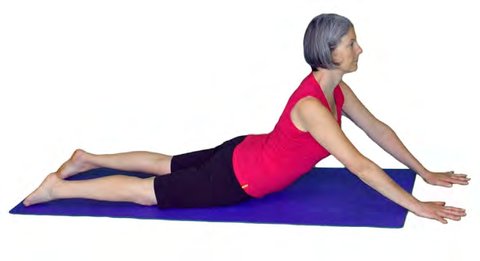
  • Bhujangasana, Cobra Pose

    Bhujangasana

    Cobra Pose

  • Classical Natarajasana, Dancer's Pose

    Classical Natarajasana

    Dancer's Pose

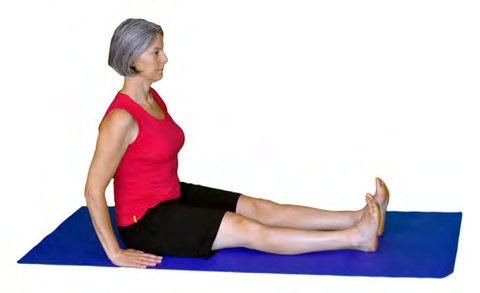
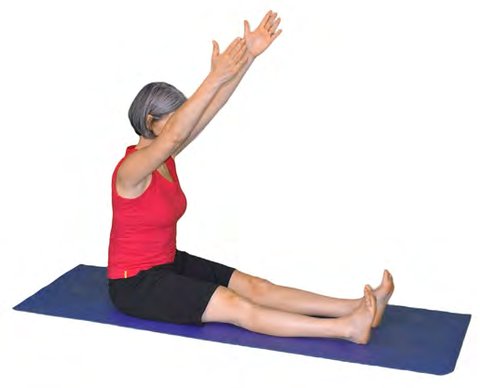
  • Dandasana, Stick/Staff Pose

    Dandasana

    Stick/Staff Pose

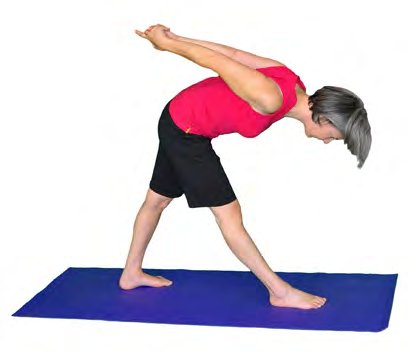
  • Parsvottanasana, Intense Side Stretch

    Parsvottanasana

    Intense Side Stretch

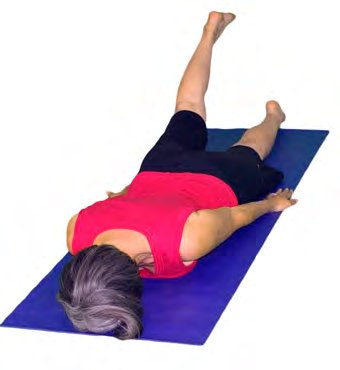
  • Ardha Shalabasana, Half Locust

    Ardha Shalabasana

    Half Locust

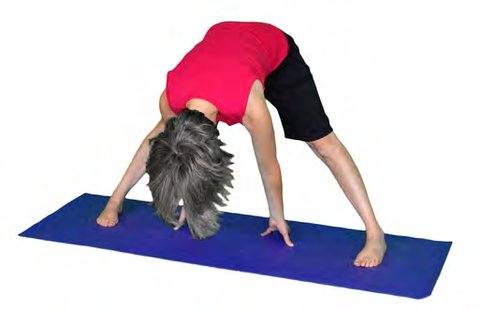
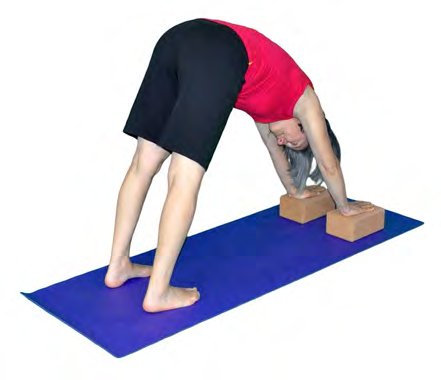
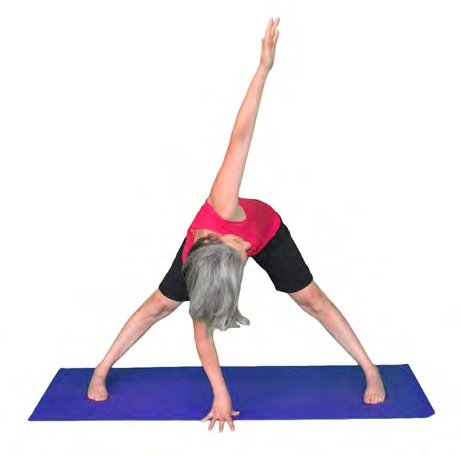
  • Prasarita Padottanasana, Intense Separate Leg Stretch

    Prasarita Padottanasana

    Intense Separate Leg Stretch

  • Adho Mukha Svanasana, Downward Facing Dog

    Adho Mukha Svanasana

    Downward Facing Dog

Workbook questions 27–39

  1. Q27Please list one or two things about yoga and how it has made a difference in your life today:
  2. Q28Three things that bring me joy and peace this day can best be described as:
  3. Q29Briefly describe how it is that your purchasing power affects your world and the people around you:
  4. Q30Think of some special person who you love to be with, someone whose presence fills your heart and soul and love. In what ways are you capable of sharing these similar feelings with a stranger, or even someone with joy with whom you might not like?
  5. Q31If the universe is a spiral, where do you see yourself in the unfolding of that space?
  6. Q32A big distraction to the renewal of awareness in my life these days could best be described as:
  7. Q33How might being more aware of your dreaming-state (sleep) allow you to be more conscious in your waking state? Try and give a specific example as to how dreams affect your very awareness?
  8. Q34When you are not feeling strong and at rest, how does the world around you appear or seem to change? Please explain: Was there ever a difficult situation that changed the way you see the world around you?
  9. Q35How can you best describe the difference between the feelings and sensations of your body while doing yoga as compared to other activities?
  10. Q36The process of having overcome one of the greatest obstacles of my life thus far may best be described as:
  11. Q37In what way's might you see your expression(s) reflected through Nature's landscape? Please explain:
  12. Q38How, within the barriers of your body do you resist or attract joy or pain. Please explain:
  13. Q39Through what activity do you tend to tap into your more creative side? How does this affect your more logical side?
Week 4♥ SpringJoy

Practice Lightness

Joy is a skill. Notice what delights you, act on small kindnesses, and let gratitude reshape the ordinary.

Affirmations

  • 8♥“When desire ceases bliss follows.”
  • 9♥“The beauty that is hidden in the farthest corners of your soul is seen with the eyes of the heart.”

Haiku

  • bird droppingspattern the purplesand the yellowsof my iris petals–Busun
  • shining on the sea...dazzling sunlightshaking overhills of cherry-bloom–Busun

Mudra meditation

  • Matsya Mudra
  • Karkala Mudra
Chakra:
Anahata, the 4th chakra
Limb of yoga:
Pranayama (breath control)
Assignment:
Unsaid Things...

Yoga poses (6)

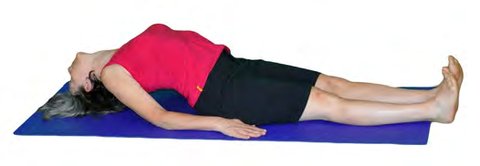
  • Matsyasana, Fish pose

    Matsyasana

    Fish pose

  • Parigasana, Gate

    Parigasana

    Gate

  • Paschimottanasana, Seated Forward Fold

    Paschimottanasana

    Seated Forward Fold

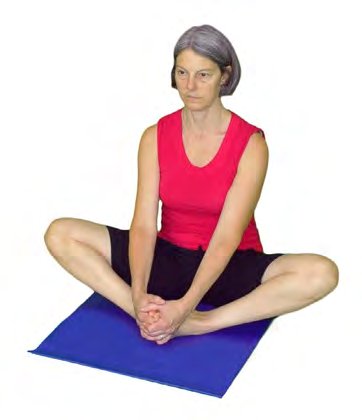
  • Baddha Konasana, Bound Angle

    Baddha Konasana

    Bound Angle

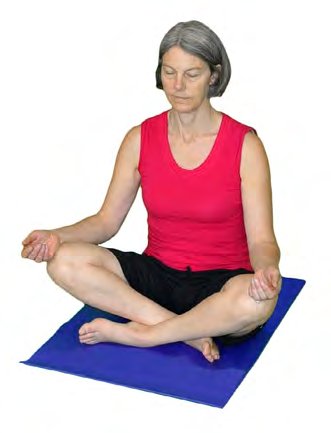
  • Sukhasana, Easy Sitting Pose

    Sukhasana

    Easy Sitting Pose

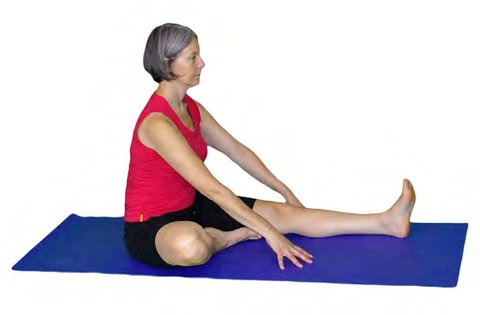
  • Janusirsasana I, Head to Knee Pose

    Janusirsasana I

    Head to Knee Pose

Workbook questions 40–52

  1. Q40How has the process of acquiring your identity mislead or distracted you from the core source and space of who you really are?
  2. Q41What do you think people's opinions about other people's “good or bad” behavior(s) say about them?
  3. Q42Think of one thing that you may NEVER have shared or told anyone else. Do you agree that there may be at least one thing Are you now ready to journal and/or share that with family and friends now? Please explain:
  4. Q43In what way has art ever been therapeutic for you in your life? Explain.
  5. Q44If you were not in this world, how do you think things would be different? How does this statement make you feel?
  6. Q45How are you beginning a new cycle today?
  7. Q46How are you ending an old cycle today?
  8. Q47How do you experience the five elements (space, fire, air, water and earth) living through you in life today?
  9. Q48What does surrendering mean to you? In what way(s) have you surrendered today?
  10. Q49How do your expectations of other people affect your relationship with them?
  11. Q50How would you best describe the gift and blessing of being able to be at peace with everything in the universe?
  12. Q51Let's imagine that you were pure water. At times you would be as wet as water, as light as a gas or vapor, and, sometimes even frozen as a solid. Let's now say, just like water, that you were able to freely move around the universe, but maintain all of your humanly senses. Now, imagine what it would feel like, if that after two years of having been water, you'd want to share with others in this journal?
  13. Q52What elements are already contained within you for greater spiritual awareness?
Week 5♣ SummerEnergy

Work the Body

Fullness of energy. Bring intensity to the mat and watch how physical effort changes the tone of your answers.

Affirmations

  • A♣“All is good; there is no evil in God’s loving eyes.”
  • 2♣“You are beyond beginning and beyond end; you are the eternal life.”

Haiku

  • with that new clothingalas...springhas been buriedin that wooden chest–Saikaku------
  • an old tree was felled...echoing,dark echoingthunder in the hills–Meisetu-------------

Mudra meditation

  • Kilaka Mudra
  • Bharmaram Mudra
Chakra:
Anahata, the 4th chakra
Limb of yoga:
Pranayama Pratyahara (5th limb)
Health corner:
Food as medicine. Understanding the insulin response and its effect on hormonal balance and health.
Assignment:
Symbol of Your Soul Exercise

Yoga poses (7)

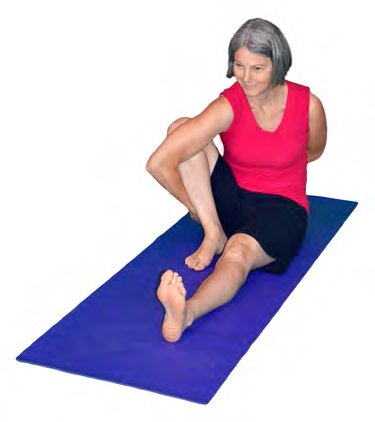
  • Marichyasana I, Marichi’s Pose

    Marichyasana I

    Marichi’s Pose

  • Marichyasana II, Marichi’s Pose

    Marichyasana II

    Marichi’s Pose

  • Parivrtta Prasarita Podattonasana, Wide-Legged Forward Bend

    Parivrtta Prasarita Podattonasana

    Wide-Legged Forward Bend

  • Gumakasana, Cow Pose

    Gumakasana

    Cow Pose

  • Ustrasana, Camel

    Ustrasana

    Camel

  • Kapotasana, Pigeon

    Kapotasana

    Pigeon

  • Chaturanga Dandasana, Four Limb Staff Pose

    Chaturanga Dandasana

    Four Limb Staff Pose

Workbook questions 53–64

  1. Q53In what way has forgiveness played a role in your life? Give an example of having to forgive someone for something they had done to you. How has that forgiveness set you free? What has that forgiveness done for them
  2. Q54In a research study by Norman Cousins and UCLA, actors were called in to have their blood drawn. Immediately after, they were given an index card with a single emotion written on it. They then acted out that single emotion. After twenty minutes their blood was drawn a second time. Research shows that negative emotions decreased the immune system while, positive emotions improved it. Please journal how you think out of balance emotions affect you.
  3. Q55Thoughts are subtle forms of energy. They are held and/or released into the ether at large. Is it possible that one person may pick up on the thoughts of another, and maybe even execute its very intention? How do you release and let go of any negative thoughts in your life?
  4. Q56How mindfully aware are you in observing how other's habits and/or behaviors take root even expressing themselves through you? Have you ever noticed another person’s mannerism or peculiarity somehow taking root or expressing itself through you? Explain;
  5. Q57If money were no issue at all in your life, how do you think you'd live your life differently? Please explain:
  6. Q58How accepting do you think you'd be if you could foresee your death? What does that mean to you here and now?
  7. Q59Please write and develop a mission statement as to what Life is to you:
  8. Q60List five things that you absolutely love about your life. What have you recently done to support what you love?
  9. Q61If there were just one day that you could eliminate or erase from your life, which day would that be? In what way has that day benefited you?
  10. Q62At this part of my life, one of my greatest strengths can best be described as:
  11. Q63What do you think you would learn about yourself were you suddenly transplanted to live in an entirely different culture?
  12. Q64One hundred years from now, how do you think the world will have been changed or affected by your life?
Week 6♣ SummerFocus

Meet Your Edge

Concentration is a practice. Hold attention on one breath, one pose, one question at a time.

Affirmations

  • 8♣“God is the one and only that has the right to judge right or wrong. He and He alone can see the great plan.”
  • 9♣“May every creature great and small be free from pain, anguish, despair and death.”

Haiku

  • on his garden paththis sparrowscatters pebbles...man forgotten-Shoha-------------
  • sad twilight cricket...yes, i have wastedonce againthose daylight hours–Kikaku-------------

Mudra meditation

  • Simhamukha Mudra
  • --T r i p a t a k a Mudra
Health corner:
The canary in the coal mine. Thyroid health 101.

Yoga poses (6)

  • Urdhva Mukha Svanasana, Upward Facing Dog

    Urdhva Mukha Svanasana

    Upward Facing Dog

  • Paripurna Navasana, Boat Pose (Supine)

    Paripurna Navasana

    Boat Pose (Supine)

  • Bharadvajasana, Illus.

    Bharadvajasana

    Illus.

  • Yoga Mudra, Seated Symbol of Yoga

    Yoga Mudra

    Seated Symbol of Yoga

  • Supta Matsyendrasana, Reclining Spiral Twist

    Supta Matsyendrasana

    Reclining Spiral Twist

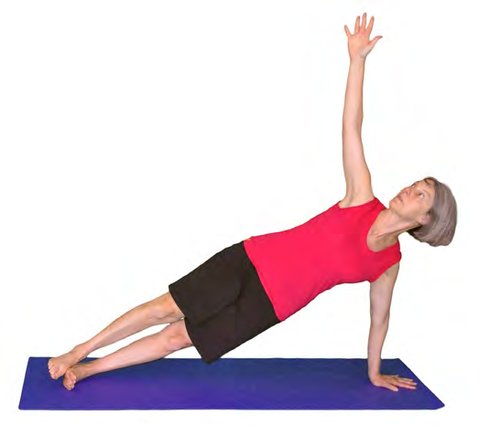
  • Dandamaya Ardha Chandrasana, Half Moon

    Dandamaya Ardha Chandrasana

    Half Moon

Workbook questions 65–76

  1. Q65How can you learn to create new meaning in the otherwise, everyday mundane things you do? Please explain:
  2. Q66When your mind is clear, centered and focused, how would you describe the state of your emotions? What elements help create this mindset for you?
  3. Q67When your mind is NOT clear, centered and focused, how would you describe the state of your emotions? What elements help to create this mindset for you?
  4. Q68Sit comfortably for five minutes and repeat this mantra 108 times: "Om Namha Shivaha." (Mala beads optional)
  5. Q69Can feelings of being unconditionally loved and accepted be felt without ever having used (or heard) words to express it?
  6. Q70If you were able to create an internationally recognized holiday, what it would be, why would you want it to exist?
  7. Q71Have you ever been so deep into a yoga pose that you actually found a hidden mind-body connection?
  8. Q72Please name one person with whom you have had some falling-out, and have consequently severed that relationship. How today might you respond differently to that or even a similar situation? Explain the falling out and what you’ve learned from it.
  9. Q73In what ways might your deep-rooted beliefs be holding you back form advancing yourself in the world?
  10. Q74The word fear is an acronym: False. Experiences. Acting. Real. In what way does fear play a role in your life?
  11. Q75This is an exercise in what is called idiokinetic visualization. Sit comfortably, take five full minutes to visualize yourself doing a single yoga pose. Be as detailed as possible in your efforts. Please journal your experience.
  12. Q76If possible, get a photograph of yourself from between the age of five and eight. Become very relaxed and look deep into the face of your photo. Imagine what you were like at that age Is there a common denominator of who you were then and who you are now? Does the same element of your soul speak to you? Is there a creative connection? Please spend an ample amount of time contemplating this exercise. Journal your results.
Week 7♦ FallRelease

Set It Down

The leaves let go. Name what no longer serves you and practice the art of releasing it with respect.

Affirmations

  • A♦“Self-deprecation is a path running fast downhill into the valley of failure and despair.”
  • 2♦“When the dawn of light floods our heart with its beauty, all else fades into nothingness.”

Haiku

  • again coolness comes...silver undersidesof leavesevening-breeze blown–Shiki
  • we stand still to heartinkle of fartemple bell...willow-leaves fallen–Basho

Mudra meditation

  • Catura Mudra
  • Sivalinga Mudra
Health corner:
Put out the fire. The immune system and the inflammatory response.

Yoga poses (6)

  • Garbhasana, Child’s Pose

    Garbhasana

    Child’s Pose

  • Virasana, Lightening Bold Pose

    Virasana

    Lightening Bold Pose

  • Salambhasa, Locust Pose

    Salambhasa

    Locust Pose

  • Setu Bhandasana, Bridge

    Setu Bhandasana

    Bridge

  • Halasana, Plow

    Halasana

    Plow

  • Pavan Muktasana, Wind Reieving Pose

    Pavan Muktasana

    Wind Reieving Pose

Workbook questions 77–89

  1. Q77In what areas of your life are you too confident, or conversely, not confident enough? Please explain:
  2. Q78The unconscious mind really has no concept of time. What do you think your life would be like if all the parts and pieces of who you are were randomly rearranged? What do you think the overall picture would look like?
  3. Q79Think about some conflict in your life right now. Through the process of journaling how might you find more resolve?
  4. Q80When you are in the presence of children, what do you think they feel about you?
  5. Q81What images run through your mind? Describe a common recurring thought (or thought process) that always seems to work through your mind:
  6. Q82In this moment when I close my eyes to center myself, the colors and feelings within me can best be described as having this kind of effect on me:
  7. Q83If I were a tree, I would describe the roots of my existence as...
  8. Q84If I were a tree, I would like my trunk to consist of...
  9. Q85If I were a tree, my limbs and branches would...
  10. Q86If I were a tree, the “fruit” I would bear could be described as tasting and having this kind of effect on me (and everyone else):
  11. Q87You know that you have the ability to end any habit, but is there any one habit that seems almost impossible to get rid of? Please explain:
  12. Q88In life, we sometimes learn or find out things about other people for which, we would never have believed otherwise. Is there anything about you that you think other people would probably never believe?
  13. Q89Gather one raisin or one nut of some sort and find a quiet and comfortable place to sit. Carefully examine the physical characteristics of the raisin or nut and then feel and observe the texture and temperature. Hold it in your left hand and feel the quantum vibration. Put it in your mouth and again feel its texture and temperature with your tongue and mouth. Take one bite and then stop. Repeat by taking one bite every 30 seconds or so until the nut or raisin has completely melted into liquid form. You should not have anything physical to swallow. The raisin or nut completely dissolves with the saliva of the mouth. Once dissolved, feel its pranic energy radiating throughout your body. What was this experience like for you?
Week 8♦ FallHarvest

Gather What You Grew

Look back over eight weeks of honest work. Collect the insights, affirmations and habits worth keeping.

Affirmations

  • 7♦“Find God and you have found the source of all supply.”
  • 8♦“Oh, what joy to feel the vibrant pulsating life of God throbbing through the universe and through you in joyous ecstasy.”

Haiku

  • now the old scarecrowlooks just likeother people...drenching autumn rain–Seibi
  • here is the dark treedenuded nowof leafage...but a million stars—Seibi

Mudra meditation

  • Sukatunda Mudra
  • Kurma Mudra
Health corner:
Power up your brain and body. Support your mitochondria!

Yoga poses (7)

  • Viparita Karani, Legs Up The Wall

    Viparita Karani

    Legs Up The Wall

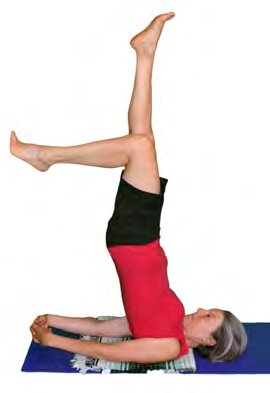
  • Ardha Sarvangasana, Half Shoulder Stand

    Ardha Sarvangasana

    Half Shoulder Stand

  • Vavishthasana, Inverted Lake Pose

    Vavishthasana

    Inverted Lake Pose

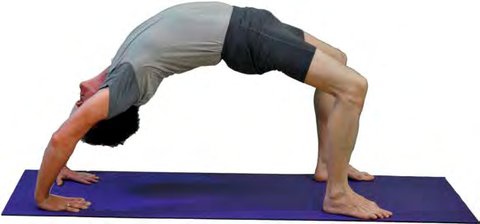
  • Urdhva Dhanurasana, Upward Facing Bow

    Urdhva Dhanurasana

    Upward Facing Bow

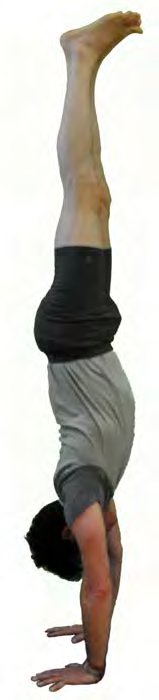
  • Arm Balance,

    Arm Balance

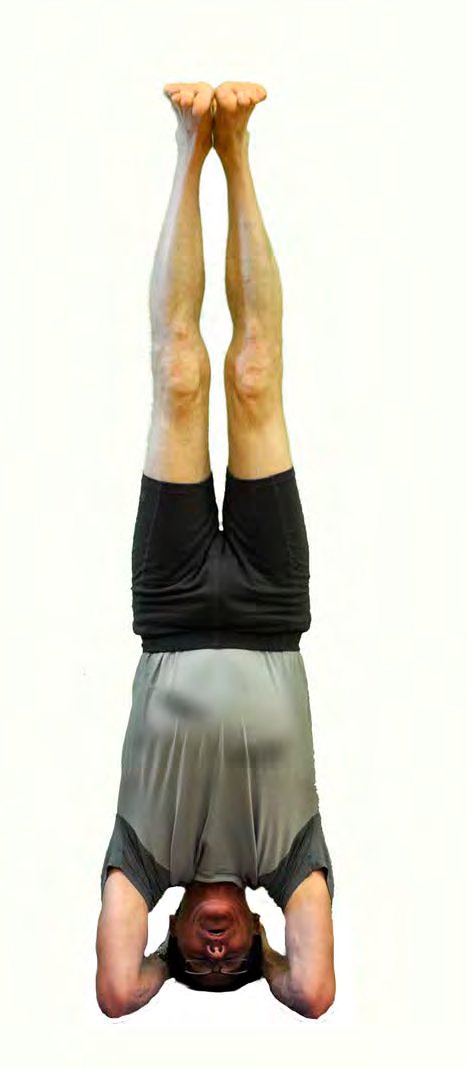
  • Sirsasana, Supported Headstand

    Sirsasana

    Supported Headstand

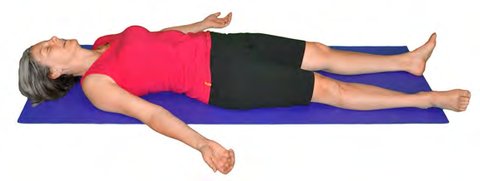
  • Shavasana, Corpse Pose

    Shavasana

    Corpse Pose

How the seven chakras work together

In our final week we look at the chakra system as a whole: like transformers on a grid, each of the seven centers refines the energetic vibration, working from the lowest to the highest. Each chakra correlates with specific glands and organs, and each one affects the others. As the book describes them, “chakras are nothing but electrical substations aligned along the grid”, and we learn to transmute the ill-regulated frequencies of all seven.

  1. 1. Root · Muladhara

    Physical:
    Sacrum; external orifices of excretion
    Gland:
    Adrenal glands (adrenaline), gonads (men)
    Affirmation:
    “All is one, I am safe”
  2. 2. Navel · Svadhisthana

    Physical:
    Reproductive organs; intestines; lumbar region
    Gland:
    Gonads: testes and ovaries
    Affirmation:
    “Honor each other”
  3. 3. Personal Power · Manipura

    Physical:
    Stomach, pancreas, liver, gallbladder, spleen
    Gland:
    Adrenal glands (corticosteroids), pancreas
    Affirmation:
    “Respect yourself”
  4. 4. Heart Center · Anahata

    Physical:
    Heart, lungs, breasts, circulatory system
    Gland:
    Thymus (immune system)
    Affirmation:
    “Love is divine power”
  5. 5. Creative (Throat) · Vishuddhi

    Physical:
    Mouth, vocal cords, trachea, cervical vertebrae
    Gland:
    Thyroid and parathyroid glands (general metabolism)
    Affirmation:
    “Thy will be done”
  6. 6. Third Eye · Ajna

    Physical:
    Light stimulating the pineal gland, which some consider being the Third Eye
    Gland:
    Pituitary (master gland)
    Affirmation:
    “Seek truth. Do not harm.”
  7. 7. Crown · Sahasrara

    Physical:
    Brain (epithalamus): endocrine clock and endocrine calendar
    Gland:
    Beyond the body
    Affirmation:
    “Be in the present”

Workbook questions 90–102

  1. Q90In what way, if any, has your religion and/or your godhead helped to make you the beautiful person you are today?
  2. Q91If you could write a letter to one person with whom you have experienced conflict, but never worked it out, to whom would you address this letter, and what would you say? (Please see the Unsaid Things exercise on page 155).
  3. Q92Sometimes our most painful experiences can yield unexpected benefits. One such experience can best be described as:
  4. Q93When it comes to being confronted with conflict, this is how I see myself evolving:
  5. Q94Of the many gifts in your life, which do you hold in high esteem? Please explain
  6. Q95If it is true that we attract thoughts, people and animals in our lives, how have these attractions impacted your life? Explain:
  7. Q96Many of the things we perceive in life are nothing more than our own projections. One example of this might be:
  8. Q97What kinds of behaviors provoke and leave you with the feeling of guilt? Where do you think this strong emotion comes from?
  9. Q98Three advantages of allowing myself to be open and vulnerable to others might include:
  10. Q99List three things that you hold to be true about money. What are your strengths and perceived issues with money?
  11. Q100For whom, if anyone are you (or would you like to be) a role model? What three important values or traits would you like to impart? Who was one of your role models as a child?
  12. Q101Our minds are like a filmstrip, sometimes being played over and over again. If, in that non-stop filmstrip, you could insert three motivating words that would remind you to just bring yourself back to your home base what would those words be and why?
  13. Q102How, if at all, are the objects to your senses a universe unto themselves? What role do you play in the unfolding journey of the universe? Winter Haiku Summary Winter | Directory A♠ overy the wintry bold sparrow companies fly scarecrow to scarecrow 8♠ –Sazanami 2♠ my very bone-ends made contact with the icy quilts of deep december midnight wanderer walking through the snowy street... echoing dog-bark –Shiki 9♠ –Busun blinding wild snow blows, whirls and drifts about me... in this world alone -Chora 3♠ in my dark winter lying ill... at last i ask how fares my neighbor 10 ♠ 4♠ a thousand roof-tops a thousand market voices... winter-morning mist J♠ first snow last night... there across the morning bay sudden mountain-white Q♠ –Shiki 6♠ there in the winter color of the water moves translucent fish –Raizen 7♠ see the red berries... fallen like little footprints on the garden snow –Shiki look at that stray cat sleeping...snug under the eaves in the whistling snow -Taigi –Busun 5♠ from my tiny roof smooth...soft... still-white snow melts in melody -Issa –Basho K♠ solitary crow... companioning my progress over snowy fields -Senna poet nightingale... will i hear your later verses in the vale of death –Anon Spring | Directory A♥ rain-obliterated... the river, some roofs, a bridge without a shore 8♥ –Basho 2♥ old snow is melting... now the huts unfreezing to free all the children now wild geese return... what draws them crying all the long dark night 9♥ 4♥ 10 ♥ 5♥ J♥ 6♥ -Issa 7♥ moonlight stillness lights the petals falling...falling... on the silenced lute come now, play with me... fatherless motherless dear little sparrow-child -Issa Q♥ –Busun an april shower ... see that thirsty mouse lapping river sumida shining on the sea... dazzling sunlight shaking over hills of cherry-bloom –Shiki –Ranko hazy ponded moon and pale night sky are broken... bungling black frog... bird droppings pattern the purples and the yellows of my iris petals –Busun –Roka cold morning rainfall... mingling all their gleaming horns oxen at the fence –Busun —Issa 3♥ Spring Haiku Summary no bold rain-cloud for a hundred miles around...dares brave the peonies -Busun K♥ the first firefly... but he got away and i... air in my fingers -Issa under my tree roof slanting lines of april rain separate to drops –Basho Summer Haiku Summary Summer | Directory A♣ with that new clothing alas...spring has been buried in that wooden chest 8♣ –Saikaku 2♣ an old tree was felled... echoing, dark echoing thunder in the hills rainy afternoon... little daughter you will never teach that cat to dance 9♣ squads of frogs jumped in when they heard the plaunk-plash of a single frog 10 ♣ moon-in-the-water turned a white sumersault...yes and went floating off J♣ windy-web spider what is your silient speaking... your unsung song –Basho 7♣ experimenting .... i hung the moon on various branches of the pine –Hokushi with the new clothes remember... the crow stays black and the heron white -Chora Q♣ –Ryota 6♣ the night was hot... stripped to the waist the snail enjoyed the moonlight -Issa –Wakyu 5♣ sad twilight cricket... yes, i have wasted once again those daylight hours –Kikaku -Issa 4♣ on his garden path this sparrow scatters pebbles... man forgotten -Shoha –Meisetu 3♣ a summer shower... along all the street, servants slapping shut shutters –Shiki K♣ suddenly you light and as suddenly go dark... fellow firefly –Chine Fall | Directory A♦ again coolness comes... silver undersides of leaves evening-breeze blown 8♦ –Shiki 2♦ we stand still to hear tinkle of far temple bell... willow-leaves fallen -Seibi 9♦ –Basho 3♦ night long in the cold that monkey sits conjecturing how to catch the moon 4♦ 10 ♦ J♦ 5♦ Q♦ -Basho 6♦ a windblown grass... hovering mid-air in vain an autumn dragonfly –Basho 7♦ now the old scarecrow looks just like other people... drenching autumn rain –Seibi from the temple steps i lift to the autumn moon my veritable face –Basho nights are getting cold... not a single insect now attacks the candle –Shiki -Chora on a leafless bough a crow is perched the Autumn dusk white chrysanthemums making all else about them reflected riches -Chora –Shiki supper in autumn flat light through an open door from a setting sun here is the dark tree denuded now of leafage... but a million stars Fall Haiku Summary swallows flying south... my house too of sticks and paper only a stopping-place –Kyorai K♦ autumn breezes shake the scarlet flowers my poor child could not wait to pick -Issa (J) Journal & (P) Pose Directory (J) (J) (J) (J) (P) (P) (P) (P) Bhjangasana Matsyasana Tadasana A♠ Utthita Tadasana 8♠ A♥ 8♥ (J) (J) (J) (J) (P) (P) (P) (P) Virabhadrasana II 2♠ Utthita Parsvaskonasana 9♠ Classical Natarajasana 2♥ Parighasana 9♥ (J) (J) (J) (J) (P) (P) (P) (P) Garudasana Dandasana (J) (J) (J) (J) (P) (P) (P) (P) Virabhadrasana I 3♠ Virabhadrasana III 4♠ 10 ♠ Uttanasana J♠ 3♥ Parsvattonasana 4♥ Pashimottanasana 10 ♥ Baddha Konasana J♥ (J) (J) (J) (J) (P) (P) (P) (P) Utkatasana 5♠ Utthita Trikonasana Q♠ Ardha Shalabhasana 5♥ Sukhasana Q♥ (J) (J) (J) (J) (P) (P) (P) (P) Tadasana Urdhva Hastasana 6 ♠ Spring Asana Winter Asana (J) Journal & (P) Pose Directory Privritti Trikonasana K♠ Prasarita Padottanasana 6♥ (J) (J) (P) (P) Vrkshasana 7♠ Adho Mukha Svanasana 7♥ Janu Sirsasana K♥ Fall Asana (J) (P) Marichyasana I A♣ (J) Journal & (P) Pose Directory (J) (P) Urdvha Mukha Svanasana 8♣ (J) (J) (P) (P) Garbasana A♦ Sarvangasana 8♦ (J) (J) (J) (J) (P) (P) (P) (P) Virasana 2♦ Vashistasana 9♦ (J) (J) (J) (P) (P) Marichyasana II 2♣ (J) (P) Parivrtta Prasarita Podattonasana 3 ♣ Paripurna Navasana 9♣ Bhardvajasana 10 ♣ Salambhasana 3♦ (P) Urdvha Dhanurasana 10 ♦ (J) (J) (J) (J) (P) (P) (P) (P) Gumakasana Yoga Mudra (J) (J) 4♣ (P) Ustrasana 5♣ J♣ (P) Supta Matsyandrasana Q♣ Setu Bhandasana 4♦ Adho Mukha Vrksasana J♦ (J) (J) (P) (P) Halasana 5♦ Salamba Sirsasana Q♦ (J) (J) (J) (J) (P) (P) (P) (P) Eka Pada RajaKapotasana 6♣ Dandayamana Ardha Chandrasana K♣ Pawan Muktasana 6♦ (J) (J) (P) (P) Chaturanga Dandasana 7♣ Viparita Karani 7♦ Summer Asana (J) Journal & (P) Pose Directory Shavasana K♦ Winter Mudra (J) Journal & (P) Pose Directory Spring Mudra (J) Journal & (P) Pose Directory Trisula 25( J ) | 183(P) Suci 39( J ) | 197(P) K angula 51( J ) | 209(P) Matsya 65( J ) | 223(P) A♠ 8♠ A♥ 8♥ Sik hara 27( J ) | 185(P) Tamracuda 41( J ) | 199(P) Shakti 53( J ) | 211(P) K ark ala 67( J ) | 225(P) 2♠ 9♠ 2♥ 9♥ Candrak ala 29( J ) | 187(P) Guruda 43( J ) | 201(P) K atak avardhana 55( J ) | 213(P) Pasa 69( J ) | 227(P) 3♠ 10 ♠ 3♥ 10 ♥ K atarimuk ha 31( J ) | 189(P) M rgasirsa 45( J ) | 203(P) Svastik a 57( J ) | 215(P) Hak ini 71( J ) | 229(P) 4♠ J♠ 4♥ J♥ Patak a 33( J ) | 191(P) Ardhapatak a 47( J ) | 205(P) Sandamsa 59( J ) | 217(P) Hamsasya 73( J ) | 231(P) 5♠ Q♠ 5♥ Q♥ Ardha Chandra 35( J ) | 193(P) Padmakosa 49( J ) | 207(P) Musti 61( J ) | 219(P) Hamsapaksa 75( J ) | 233(P) 6♠ K♠ 6♥ K♥ Anjali 37( J ) | 195(P) Bherunda 63( J ) | 221(P) 7♠ 7♥ (J) Journal & (P) Pose Directory Ki la ka 77( J ) | 235(P) Simhamuk ha 91( J ) | 249(P) A♣ Fall Mudra (J) Journal & (P) Pose Directory Catura 103( J ) | 261(P) 8♣ A♦ Kurma 117( J ) | 275 (P) Bharmaram 79( J ) | 237(P) Tripatak a 93( J ) | 251(P) Sivalinga 105( J ) | 263(P) Samputa 119( J ) | 277(P) 2♣ 9♣ Sarpasirsa 107( J ) | 265(P) Mayura 121( J ) | 279(P) 2♦ K atak amuk ha 81( J ) | 239(P) Khatva 95( J ) | 253(P) 3♣ 10 ♣ 3♦ Ganesha 83( J ) | 241(P) Sak ata 97( J ) | 255(P) K apitta 109( J ) | 267(P) 4♣ J♣ Mak ara 85( J ) | 243(P) Puspaputa 99( J ) | 257(P) 5♣ Q♣ 5♦ Cak ra 87( J ) | 245(P) Arala 101( J ) | 259(P) Muk alam 113( J ) | 271(P) 6♣ K♣ 4♦ Mahasir 111( J ) | 269(P) 6♦ Nagabandha 89( J ) | 247(P) Suk atunda 115( J ) | 273(P) 7♣ 7♦ 8♦ 9♦ 10 ♦ Summer Mudra Samk ha 123( J ) | 281(P) J♦ K artarisvastik a 125( J ) | 283(P) Q♦ Alapadma 127( J ) | 285(P) K♦ Chapter Two: Questions and Journal Entry Spreads Instructions for Working with the Workbook Questions and Journal Entry Spreads Journaling and taking field notes have long been critical components to self-love, self-reflection and personal and technological development. Philosophers, writers, artists and scientists such as Dante, Anaïs Nin, Leonardo Di Vinci, John Dewey and Nikola Tesla all kept personal journals. They also kept very accurate field notes, which have accurately reflected their views on life (although in Tesla's case, many of the records may have been lost and/or are still missing.) That said, there is a beautiful yet mysterious side to us all. There is an energy potential waiting to surface, unfold and express itself— all through the efforts and variables of our being unique. So please, use and work with ALFW on your own terms! Make sense of it in such a way that it becomes an uplifting exercise— something you look forward to do on a regular basis. You may share all or just some of its parts with others... or even keep it as a personal diary. It's all good no matter what you choose to do. Please note that while A Light From Within is a very effective tool for personal growth and development, it does not in any way substitute the need for professional counseling and/or psychotherapy. If you feel that many of the things in your life are just a little too much to handle, please consult a mental health professional. You may also reach out to like-minded people by interacting with our ALFW blog at www.alightfromwithin.net. Very often when people take the time for themselves they feel guilty, selfish and even self-centered! Let me dispel this ill perception: Truly the only way for you (or anyone else) to stay sharp, healthy and skillful is to take the time to maintain your good health. We all know that we must care for ourself to be mindfully more effective and helpful to others. It really is this simple. Moreover, we must understand the critical importance of teaching our children (all children) this very same thing: to love themselves as they are— again, this should never be confused with selfishness or being self-centered. Individuality is a basic human right and not a privilege. The right to be different is the fundamental backdrop of being healthy! So, with this in mind, remember to be as light and playful as possible when working with this workbook and journal. Do not take any of this material too seriously. One last important thing to keep in mind when working with the workbook questions and journal entries: as you can see from the example on page 23, the spread consists of one workbook page and one journal entry page. There are 52 of them in total. Most always, there are two questions and two journal entries prompts residing on each page. This particular spread belongs to the Winter Ace of spades, the same example illustrates just how easy it is to work through and complete this or any other given workbook spread. It helps instruct you on how to properly populate all 102 of the Chart of Emotions (COE). Each is associated and belongs to it's workbook questions or journal entry— but you must choose to select only one to populate the COE. In this same example, you can see that I had chosen to use workbook question #1 to populate the first COE#1. For the second COE, I chose to use the journal entry #2 (instead of question #2) to populate its correlating COE#2— for simplification, you can see that I have (with red-line) outlined the entire work flow process. You can also see, that just to the left of every COE there are three gray-shaded labels or words that read: Workbook, Journal and Entered. Each is followed by an underscored line. These labels exist so that you can more easily determine which it is (the question or journal entry) that belongs to the COE. For example, to the left of COE #1, you can see that I have put a red check mark after "Workbook." Why? Because this check mark tells me that this particular COE belongs to the associated (numbered) workbook question and not the associated (numbered) journal entry. The same is true and applies to COE#2: it also has a red check mark after "Journal." Get it? One last thing, should you find yourself needing a bit more writing space for any given journal entry, simply combine any two journal entries— each of the same spread only. Treat the two journal entries as if they were just one larger entry field. (Just be sure to cross out one of the two dedicated journaling inquiry numbers) This way you will always know that it was, in fact, a conscious effort to do so. ALFW is extremely versatile and easy to use. In many ways, it takes the notion and principles of a journal to whole new level. Enjoy your journey. The workbook questions and journal entries example above should help you to better understand how to optimize your workbook spreads. I have outlined the necessary steps required to populate the Chart of Emotions. As earlier mentioned, there are many YouTube videos, that easily walk you through all the different components and elements of ALFW. These videos can be found at www.alightfromwithin.com. Please note: There is also a comprehensive Wordpress blog located at www.alightfromwithin.net. I would strongly recommend that you take full advantage of it as it is a great way to meet and work with other like-minded people. Thank you and Namaste! The Workbook questions and Journal entry spread Instructions for Populating the Chart of Emotions on every workbook spread Workbook questions (Spread 1 of 52) A♠ Love Having procured and made the choice to work with A Light From Within, how do you feel? FUTURE PRESENT CIRCLE FELT EMOTIONS PAST SCALE 1-10 Entered__ Workbook__ Question or Journal #1 Joy Journal__ Chart of Emotions Hope Trust Admiration Fear Worried Happy Calm Sad Resentful Generous Disgust Anger Guilt Enthusiastic Shy Other PARTICULARS Who: What: Where: When: How: Why: Workbook__ Journal__ Joy Hope Admiration Fear Worried Happy Calm Sad Resentful Generous Disgust Anger Guilt Enthusiastic Shy Other PARTICULARS Who: What: Where: When: Love Trust How: Why: ✔ In what way might contentment differ from happiness in your life? Please explain: FUTURE CIRCLE FELT EMOTIONS PRESENT Question or Journal #2 PAST SCALE 1-10 Entered__ Chart of Emotions Journal entry A♠ WEATHER ENERGY: 1-10 DATE Weekly Random Act of Kindness: __________________________________ ____________________________________________________________ ____________________________________________________________ ____________________________________________________________ ____________________________________________________________ Winter A ♠ A F F I R M AT I O N God’s supply is in abundance now that you accept His gifts. Haiku overly the wintry bold sparrow companies fly scarecrow to scarecrow –Sazanami ----- Trisula Mudra Ta d a s a n a Please choose to use either the Workbook question or Journal entry to populate the Chart of Emotions on the opposite page Workbook questions (Spread 2 of 52) Workbook__ Joy Love Hope Trust Admiration Fear Worried Happy Calm ✔ Sad Resentful Generous Disgust Anger Guilt FUTURE CIRCLE FELT EMOTIONS PRESENT One goal you have yet to achieve in your life can best be described as: Question or Journal #3 PAST SCALE 1-10 Chart of Emotions Journal__ Entered__ 2♠ Enthusiastic I think I can move closer toward this goal by: Shy Other PARTICULARS Who: What: Where: When: How: Why: Workbook__ Journal__ Joy Love Trust Admiration Fear Worried Happy Calm Sad Resentful Generous Disgust Anger Guilt Enthusiastic Shy Other PARTICULARS Who: What: Where: When: Hope How: Why: How do your body, mind and spirit tend to affect each other? Give an example from your life: FUTURE CIRCLE FELT EMOTIONS PRESENT Question or Journal #4 PAST SCALE 1-10 Entered__ Chart of Emotions Journal entry 2♠ 2♠ A F F I R M AT I O N WEATHER ENERGY: 1-10 DATE Weekly Random Act of Kindness: __________________________________ ____________________________________________________________ ____________________________________________________________ ____________________________________________________________ ____________________________________________________________ I have the strength of ten because my heart is filled with the light of truth. Haiku my very bone-ends made contact with the icy quilts of deep december Buson Sikhara Mudra Virabhadrasana II Please choose to use either the Workbook question or Journal entry to populate the Chart of Emotions on the opposite page Workbook questions (Spread 3 of 52) 3♠ Joy Love Hope Trust Admiration Fear Worried Happy Calm Sad Resentful Generous Disgust Anger Guilt What are some challenges you have where learning is concerned? How does this affect your personal and professional growth and development? FUTURE CIRCLE FELT EMOTIONS PRESENT Question or Journal #5 PAST Scale of 1 - 10 Entered__ Workbook__ Journal__ Chart of Emotions Enthusiastic Shy Other PARTICULARS Who: What: Where: When: How: Why: Workbook__ Journal__ Joy Love ✔ Hope Trust Admiration Fear Worried Happy Calm Sad Resentful Generous Disgust Anger Guilt Enthusiastic Shy Other PARTICULARS Who: What: Where: When: How: Why: FUTURE CIRCLE FELT EMOTIONS PRESENT Question or Journal #6 PAST Scale of 1 - 10 Entered__ Chart of Emotions How, if at all, might your spirituality separate you or make you different from other beings in the world? Journal entry 3♠ Winter 3 ♠ A F F I R M AT I O N WEATHER ENERGY: 1-10 DATE Weekly Random Act of Kindness: __________________________________ ____________________________________________________________ ____________________________________________________________ ____________________________________________________________ ____________________________________________________________ Be a living temple in which God dwells. Haiku in my dark winter lying ill... at last i ask how fares my neighbor –Basho ----- Candrakala M udra Virabhadrasana I Please choose to use either the Workbook question or Journal entry to populate the Chart of Emotions on the opposite page Workbook questions (Spread 4 of 52) 4♠ Joy Love ✔ Hope Trust Admiration Fear Worried Happy Calm Sad Resentful Generous Disgust Anger Guilt How might your not-so-strongly-held beliefs affect your relationships with other people? FUTURE CIRCLE FELT EMOTIONS PRESENT Question or Journal #7 PAST Scale of 1 - 10 Entered__ Workbook__ Journal__ Chart of Emotions Enthusiastic Shy Other PARTICULARS Who: What: Where: When: How: Why: Workbook__ Journal__ Joy Love Hope Trust Admiration Fear Worried Happy Calm Sad Resentful Generous Disgust Anger Guilt Enthusiastic Shy Other PARTICULARS Who: What: When: How: Why: FUTURE PRESENT CIRCLE FELT EMOTIONS Where: Being nonjudgmental allows me to experience my life in the following ways: Question or Journal #8 PAST Scale of 1 - 10 Entered__ Chart of Emotions Journal entry 4♠ WEATHER ENERGY: 1-10 DATE Weekly Random Act of Kindness: __________________________________ ____________________________________________________________ ____________________________________________________________ ____________________________________________________________ ____________________________________________________________ Winter 4 ♠ A F F I R M AT I O N You are that which you seek. Haiku a thousand roof-tops a thousand market voices... winter-morning mist –Busun ----- Katakamukha Mudra Virabhadrasana I II Please choose to use either the Workbook question or Journal entry to populate the Chart of Emotions on the opposite page Workbook questions (Spread 5 of 52) 5♠ Joy Love Trust Admiration Fear Worried In what ways do you tend to now think differently about some of your childhood memories? Please explain: FUTURE CIRCLE FELT EMOTIONS PRESENT Question or Journal #9 PAST Scale of 1 - 10 Entered__ Journal__ Chart of Emotions Hope Happy Calm Sad Resentful Generous Disgust Anger Guilt Question__ Enthusiastic Shy Other PARTICULARS Who: What: Where: When: How: Why: Journal__ 5 Joy Love Hope Trust Admiration Fear Worried Happy Calm Sad Resentful Generous Disgust Anger Guilt Question__ Shy Other PARTICULARS Who: What: Where: When: How: Why: FUTURE PRESENT CIRCLE FELT EMOTIONS Enthusiastic What I strongly admire about my mom and dad can best be described as: Question or Journal #10 PAST Scale of 1 - 10 Entered__ Chart of Emotions Journal entry 5♠ 5♠ A F F I R M AT I O N WEATHER ENERGY: 1-10 DATE Weekly Random Act of Kindness: __________________________________ ____________________________________________________________ ____________________________________________________________ ____________________________________________________________ ____________________________________________________________ You must see the best in others before you see the good in yourself. Haiku first snow last night... there across the morning bay sudden mountain-white –Shiki ----- Pataka Mudra U t k atasana Please choose to use either the Workbook question or Journal entry to populate the Chart of Emotions on the opposite page Workbook questions (Spread 6 of 52) 6♠ Joy Love ✔ Hope Trust Admiration Fear Worried Happy Calm Sad Resentful Generous Disgust Anger Guilt How does the concept of good and bad impact or limit your experience to live life in the fullest flavor possible? FUTURE CIRCLE FELT EMOTIONS PRESENT Question or Journal #11 PAST Scale of 1 - 10 Entered__ Workbook__ Journal__ Chart of Emotions Enthusiastic Shy Other PARTICULARS Who: What: Where: When: How: Why: Workbook__ Journal__ Joy Love Trust Admiration Fear Worried Happy Calm Sad Resentful Generous Disgust Anger Guilt Enthusiastic Shy Other PARTICULARS Who: What: Where: When: Hope How: Why: In what ways do science and spirituality share a creative and/or logical link? How might that notion affect your views in life? Please explain: FUTURE CIRCLE FELT EMOTIONS PRESENT Question or Journal #12 PAST Scale of 1 - 10 Entered__ Chart of Emotions Journal entry 6♠ 6♠ A F F I R M AT I O N WEATHER ENERGY: 1-10 DATE Weekly Random Act of Kindness: __________________________________ ____________________________________________________________ ____________________________________________________________ ____________________________________________________________ ____________________________________________________________ There is no destiny but what you yourself make. All is well because you think it is. Haiku there in the winter color of the water moves transluscent fish –Raizen --- Ardha Chandra Mudra Tadasana Urdvha Hastasana Please choose to use either the Workbook question or Journal entry to populate the Chart of Emotions on the opposite page Workbook questions (Spread 7 of 52) 7♠ Joy Love Trust Admiration Fear Worried If you were able to magically just turn off the pain, how would you see your life being different? Please explain: FUTURE CIRCLE FELT EMOTIONS PRESENT Question or Journal #13 PAST Scale of 1 - 10 Entered__ Workbook__ Journal__ Chart of Emotions Hope Happy Calm Sad Resentful Generous Disgust Anger Guilt Enthusiastic Shy Other PARTICULARS Who: What: Where: When: How: Why: Workbook__ Journal__ Joy Love Trust Admiration Fear Worried Happy Calm Sad Resentful Generous Disgust Anger Guilt Enthusiastic Shy Other PARTICULARS Who: What: Where: When: Hope How: Why: How might your feeling more relaxed in life affect the way you experience Nature's landscape? Please explain: FUTURE CIRCLE FELT EMOTIONS PRESENT Question or Journal #14 PAST Scale of 1 - 10 Entered__ Chart of Emotions Journal entry 7♠ 7♠ A F F I R M AT I O N WEATHER ENERGY: 1-10 DATE Weekly Random Act of Kindness: __________________________________ ____________________________________________________________ ____________________________________________________________ ____________________________________________________________ ____________________________________________________________ Great things were never achieved in a day. Their creation was formed by constant toil and thought. Haiku see the red berries... fallen like little footprints on the garden snow –Shiki ----- Anjali Mudra Vrkshasana Please choose to use either the Workbook question or Journal entry to populate the Chart of Emotions on the opposite page Workbook questions (Spread 8 of 52) 8♠ Joy Love ✔ Hope Trust Admiration Fear Worried Happy Calm Sad Resentful Generous Disgust Anger Guilt FUTURE CIRCLE FELT EMOTIONS PRESENT What is the difference between guiding wisdom and guiding logic in your life? Question or Journal #15 PAST Scale of 1 - 10 Entered__ Workbook__ Journal__ Chart of Emotions Enthusiastic Shy Other PARTICULARS Who: What: Where: When: How: Why: Workbook__ Journal__ Joy Love Trust Admiration Fear Worried ✔ Happy Calm Sad Resentful Generous Disgust Anger Guilt Enthusiastic Shy Other PARTICULARS Who: What: Where: When: Hope How: Why: There are many ways to turn an impulsive behavior into a constructive exercise. Please list a few examples as to how you have done this for yourself: FUTURE CIRCLE FELT EMOTIONS PRESENT Question or Journal #16 PAST Scale of 1 - 10 Entered__ Chart of Emotions Journal entry 8♠ WEATHER ENERGY: 1-10 DATE Weekly Random Act of Kindness: __________________________________ ____________________________________________________________ ____________________________________________________________ ____________________________________________________________ ____________________________________________________________ 8♠ A F F I R M AT I O N Hate is poison, slowly seeping into the heart, bringing a cruel death in its wake. Haiku midnight wanderer walking through the snowy street... echoing dog-bark –Shiki ----- Suci Mudra Utthita Tadasana Please choose to use either the Workbook question or Journal entry to populate the Chart of Emotions on the opposite page Workbook questions (Spread 9 of 52) 9♠ Joy Love Trust Admiration Fear Worried FUTURE CIRCLE FELT EMOTIONS PRESENT Question or Journal #17 PAST Scale of 1 - 10 Entered__ Workbook__ Journal__ Chart of Emotions When looking at the chart of emotions (to the left), you may notice the absence of one very strong emotion: shame. Please take the time to journal what shame is to you. What role, if any, does it play in your life? Hope Happy Calm Sad Resentful Generous Disgust Anger Guilt Enthusiastic Shy Other PARTICULARS Who: What: Where: When: How: Why: Workbook__ Journal__ Joy Love Trust Admiration Fear Worried Happy Calm Sad Resentful Generous Disgust Anger Guilt Enthusiastic Shy Other PARTICULARS Who: What: Where: When: Hope How: Why: FUTURE CIRCLE FELT EMOTIONS PRESENT Question or Journal #18 PAST Scale of 1 - 10 Entered__ Chart of Emotions When doing yoga, how do the physical and emotional barriers in your body present themselves to you? Is there an overall theme to these barriers or blockage? Please explain: Journal entry 9♠ 9♠ A F F I R M AT I O N WEATHER ENERGY: 1-10 DATE Weekly Random Act of Kindness: __________________________________ ____________________________________________________________ ____________________________________________________________ ____________________________________________________________ ____________________________________________________________ Love all alike, free from attachment. Haiku blinding wild snow blows, whirls and drifts about me... in this world alone - Chora ---- Tamracuda Mudra Utthita Parsvaskonsana Please choose to use either the Workbook question or Journal entry to populate the Chart of Emotions on the opposite page Workbook questions (Spread 10 of 52) 10 ♠ Joy Love ✔ Hope Trust Admiration Fear Worried Happy Calm Sad Resentful Generous Disgust Anger Guilt What responsibility do you take for the root cause of stress in your life? How are you working through this problem? FUTURE CIRCLE FELT EMOTIONS PRESENT Question or Journal #19 PAST Scale of 1 - 10 Entered__ Workbook__ Journal__ Chart of Emotions Enthusiastic Shy Other PARTICULARS Who: What: Where: When: How: Why: Workbook__ Journal__ Joy Love ✔ Hope Trust Admiration Fear Worried Happy Calm Sad Resentful Generous Disgust Anger Guilt Enthusiastic Shy Other PARTICULARS Who: What: Where: When: How: Why: Often, when you are alone, is there anything that you tend to think and/or feel over and over again? Please explain: FUTURE CIRCLE FELT EMOTIONS PRESENT Question or Journal #20 PAST Scale of 1 - 10 Entered__ Chart of Emotions Journal entry 10 ♠ Winter 10 ♠ A F F I R M AT I O N WEATHER ENERGY: 1-10 DATE Weekly Random Act of Kindness: __________________________________ ____________________________________________________________ ____________________________________________________________ ____________________________________________________________ ____________________________________________________________ My body is the outer layer of my mind. Haiku from my tiny roof smooth...soft... still-white snow melts in melody - Issa ----- Guruda Mudra Garudasana Please choose to use either the Workbook question or Journal entry to populate the Chart of Emotions on the opposite page Workbook questions (Spread 11 of 52) J♠ Joy Love Trust Admiration Fear Worried How is your body and mind like a sponge in that it clings and holds on to impressions from the outside world? FUTURE CIRCLE FELT EMOTIONS PRESENT Question or Journal #21 PAST Scale of 1 - 10 Entered__ Workbook__ Journal__ Chart of Emotions Hope Happy Calm Sad Resentful Generous Disgust Anger Guilt Enthusiastic Shy Other PARTICULARS Who: What: Where: When: How: Why: Workbook__ Journal__ Joy Love Trust Admiration Fear Worried Happy Calm Sad Resentful Generous Disgust Anger Guilt Enthusiastic Shy Other PARTICULARS Who: What: Where: Hope When: How: Why: How might the repetitive use (or thought) of certain words affect your emotional being? Please explain: FUTURE CIRCLE FELT EMOTIONS PRESENT Question or Journal #22 PAST Scale of 1 - 10 Entered__ Chart of Emotions Journal entry J♠ J♠ A F F I R M AT I O N WEATHER ENERGY: 1-10 DATE Weekly Random Act of Kindness: __________________________________ ____________________________________________________________ ____________________________________________________________ ____________________________________________________________ ____________________________________________________________ All craving and seeking for love in a form is the inner urge to find God. Haiku look at that stray cat sleeping...snug under the eaves in the whistling snow - Taigi ----- Mrgasirsa Mudra Uttanasana Please choose to use either the Workbook question or Journal entry to populate the Chart of Emotions on the opposite page Workbook questions (Spread 12 of 52) Q♠ Joy Love Trust Admiration Fear Worried How in your efforts to care for yourself might you make a difference in the lives of other people? FUTURE CIRCLE FELT EMOTIONS PRESENT Question or Journal #23 PAST Scale of 1 - 10 Entered__ Workbook__ Journal__ Chart of Emotions Hope Happy Calm Sad Resentful Generous Disgust Anger Guilt Enthusiastic Shy Other PARTICULARS Who: What: Where: When: How: Why: Workbook__ Journal__ Joy Love Trust Admiration Fear Worried Happy Calm Sad Resentful Generous Disgust Anger Guilt Enthusiastic Shy Other PARTICULARS Who: What: Where: When: Hope How: Why: Whenever you are hard on yourself, how does the world around you seem to appear or change? FUTURE CIRCLE FELT EMOTIONS PRESENT Question or Journal #24 PAST Scale of 1 - 10 Entered__ Chart of Emotions Journal entry Q♠ Winter Q ♠ A F F I R M AT I O N WEATHER ENERGY: 1-10 DATE Weekly Random Act of Kindness: __________________________________ ____________________________________________________________ ____________________________________________________________ ____________________________________________________________ ____________________________________________________________ Be like a river of supply starting and ending in the same place from the ocean of life you take, and the ocean of life you give. Haiku solitary crow... companioning my progress over snowy fields Senna ----- Ardhapataka M udra U tthita Tr ikonasana Please choose to use either the Workbook question or Journal entry to populate the Chart of Emotions on the opposite page Workbook questions (Spread 13 of 52) K♠ Joy Love Trust Admiration Fear Worried The last time something really took your breath away could best be described as having had what kind of effect on you: FUTURE CIRCLE FELT EMOTIONS PRESENT Question or Journal #25 PAST Scale of 1 - 10 Entered__ Workbook__ Journal__ Chart of Emotions Hope Happy Calm Sad Resentful Generous Disgust Anger Guilt Enthusiastic Shy Other PARTICULARS Who: What: Where: When: How: Why: Workbook__ Journal__ Joy ✔ Love Trust Admiration Fear Worried Happy Calm Sad Resentful Generous Disgust Anger Guilt Enthusiastic Shy Other PARTICULARS Who: What: Where: When: Hope How: Why: In life, we all seem to have insecurities. Is there an one in your life that you're willing to share and let go of for good? Please explain: FUTURE CIRCLE FELT EMOTIONS PRESENT Question or Journal #26 PAST Scale of 1 - 10 Entered__ Chart of Emotions Journal entry K♠ K♠ A F F I R M AT I O N WEATHER ENERGY: 1-10 DATE Weekly Random Act of Kindness: __________________________________ ____________________________________________________________ ____________________________________________________________ ____________________________________________________________ ____________________________________________________________ Your tomorrow is the creation of today. Haik u poet nightingale... will i hear your later verses in the vale of death –Anon ----- Padmakosa Mudra Parivrtti Trikonasana Please choose to use either the Workbook question or Journal entry to populate the Chart of Emotions on the opposite page Workbook questions (Spread 14 of 52) A♥ Love Please list one or two things about yoga and how it has made a difference in your life today: FUTURE PRESENT CIRCLE FELT EMOTION PAST SCALE 1-10 Entered__ Workbook__ Question or Journal #27 Joy Journal__ Chart of Emotions Hope Trust Admiration Fear Worried Happy Calm Sad Resentful Generous Disgust Anger Guilt Enthusiastic Shy Other PARTICULARS Who: What: Where: When: How: Why: Workbook__ Journal__ Joy Love Hope Trust Admiration Fear Worried Happy Calm Sad Resentful Generous Disgust Anger Guilt Enthusiastic Shy Other PARTICULARS Who: What: When: How: Why: FUTURE PRESENT CIRCLE FELT EMOTION Where: Three things that bring me joy and peace this day can best be described as: Question or " Journal #28 PAST SCALE 1-10 Entered__ Chart of Emotions Journal entry A♥ A♥ A F F I R M AT I O N WEATHER ENERGY: 1-10 DATE Weekly Random Act of Kindness: __________________________________ ____________________________________________________________ ____________________________________________________________ ____________________________________________________________ ____________________________________________________________ It is through the invisible vibration of love that I trust in myself and others. Haiku rain-obliterated... the river, some roofs, a bridge without a shore –Basho ----- Kangula Mudra Bhujangasana Please choose to use either the Workbook question or Journal entry to populate the Chart of Emotions on the opposite page Workbook questions (Spread 15 of 52) 2♥ Love Briefly describe how it is that your purchasing power affects your world and the people around you: FUTURE PRESENT CIRCLE FELT EMOTION PAST SCALE 1-10 Entered__ Workbook__ Question or Journal #29 Joy Journal__ Chart of Emotions Hope Trust Admiration Fear Worried Happy Calm Sad Resentful Generous Disgust Anger Guilt Enthusiastic Shy Other PARTICULARS Who: What: Where: When: How: Why: Journal__ Joy Workbook__ Hope Admiration Fear Worried Happy Calm Sad Resentful Generous Anger Disgust Guilt Enthusiastic Shy Other PARTICULARS Who: What: Where: When: Love Trust How: Why: FUTURE CIRCLE FELT EMOTION PRESENT Question or Journal #30 PAST SCALE 1-10 Entered__ Chart of Emotions Think of some special person who you love to be with, someone whose presence fills your heart and soul with joy and love. In what ways are you capable of sharing these similar feelings with a stranger, even someone who you might not like? Journal entry 2♥ 2♥ A F F I R M AT I O N WEATHER ENERGY: 1-10 DATE Weekly Random Act of Kindness: __________________________________ ____________________________________________________________ ____________________________________________________________ ____________________________________________________________ ____________________________________________________________ To travel far, one must start near. Start here and now conquer the little things; then the big things will conquer themselves. Haiku old snow is melting... now the huts unfreezing to free all the children - Issa ----- Shakti Mudra Classical Natarajnasana Please choose to use either the Workbook question or Journal entry to populate the Chart of Emotions on the opposite page Workbook questions (Spread 16 of 52) 3♥ Journal__ Love FUTURE PRESENT CIRCLE FELT EMOTION Joy Workbook__ If the universe is a spiral, where do you see yourself in the unfolding of that space? Question or Journal #31 PAST SCALE 1-10 Entered__ Chart of Emotions Hope Trust Admiration Fear Worried Happy Calm Sad Resentful Generous Disgust Anger Guilt Enthusiastic Shy Other PARTICULARS Who: What: Where: When: How: Why: Workbook__ Journal__ Joy Hope Admiration Fear Worried Happy Calm Sad Resentful Generous Disgust Anger Guilt Enthusiastic Shy Other PARTICULARS Who: What: Where: When: Love Trust How: Why: ✔ A big distraction to the renewal of awareness in my life these days could best be described as: FUTURE CIRCLE FELT EMOTION PRESENT Question or Journal #32 PAST SCALE 1-10 Entered__ Chart of Emotions Journal entry 3♥ WEATHER ENERGY: 1-10 DATE Weekly Random Act of Kindness: __________________________________ ____________________________________________________________ ____________________________________________________________ Winter ♠ ____________________________________________________________ ____________________________________________________________ 3♥ A F F I R M AT I O N Love is the vibration of all unselfish joy— the perfect oneness with vibrant life. Haiku now wild geese return... what draws them crying all the long dark night –Roka ----- Katakavardhana Mudra Dandasana Please choose to use either the Workbook question or Journal entry to populate the Chart of Emotions on the opposite page Workbook questions (Spread 17 of 52) 4♥ Love FUTURE PRESENT CIRCLE FELT EMOTION PAST SCALE 1-10 Entered__ Workbook__ Question or Journal #33 Joy Journal__ Chart of Emotions How might being more aware of your dreaming state (sleep) allow you to be more conscious in your waking state? Try and give a specific example as to how dreams affect your very awareness: Hope Trust Admiration Fear Worried Happy Calm Sad Resentful Generous Disgust Anger Guilt Enthusiastic Shy Other PARTICULARS Who: What: Where: When: How: Why: Workbook__ Journal__ Joy Hope Admiration Fear Worried Happy Calm Sad Resentful Generous Disgust Anger Guilt Enthusiastic Shy Other PARTICULARS Who: What: Where: When: Love Trust How: Why: When you are not feeling strong or at rest, how does the world around you appear or seem to change? Please explain: FUTURE CIRCLE FELT EMOTION PRESENT Question or Journal #34 PAST SCALE 1-10 Entered__ Chart of Emotions Journal entry 4♥ WEATHER ENERGY: 1-10 DATE Weekly Random Act of Kindness: __________________________________ ____________________________________________________________ ____________________________________________________________ ____________________________________________________________ ____________________________________________________________ Spring 4 ♥ A F F I R M AT I O N Strength comes from purity of the heart. Haiku cold morning rainfall... mingling all their gleaming horns oxen at the fence –Ranko ----- Svastika Mudra Parsvattonasana Please choose to use either the Workbook question or Journal entry to populate the Chart of Emotions on the opposite page Workbook questions (Spread 18 of 52) 5♥ Love FUTURE How can you best describe the difference between the feelings and sensations of your body while doing yoga as compared to other activities? Hope Trust Admiration Fear Worried Happy Calm Sad Resentful Generous Disgust Anger Workbook__ PRESENT CIRCLE FELT EMOTION PAST SCALE 1-10 Entered__ Question or Journal #35 Joy Journal__ Chart of Emotions Guilt Enthusiastic Shy Other PARTICULARS Who: What: Where: When: How: Why: Workbook__ Journal__ Joy Hope Admiration Fear Worried Happy Calm Sad Resentful Generous Disgust Anger Guilt Enthusiastic Shy Other PARTICULARS Who: What: Where: When: Love Trust How: Why: The process of having overcome one of the greatest obstacles of my life (thus far) can best be described as: FUTURE CIRCLE FELT EMOTION PRESENT Question or Journal #36 PAST SCALE 1-10 Entered__ Chart of Emotions Journal entry 5♥ WEATHER ENERGY: 1-10 DATE Weekly Random Act of Kindness: __________________________________ ____________________________________________________________ ____________________________________________________________ ____________________________________________________________ ____________________________________________________________ 5♥ A F F I R M AT I O N Love and the world is yours. Haiku hazy ponded moon and pale night sky are broken... bungling black frog... –Busun ----- Sandamsa Mudra Ardha Shalambhasana Please choose to use either the Workbook question or Journal entry to populate the Chart of Emotions on the opposite page Workbook questions (Spread 19 of 52) 6♥ Love In what ways might you see your expression(s) reflected through Nature's landscape? Please explain: FUTURE PRESENT CIRCLE FELT EMOTION PAST SCALE 1-10 Entered__ Workbook__ Question or Journal #37 Joy Journal__ Chart of Emotions Hope Trust Admiration Fear Worried Happy Calm Sad Resentful Generous Disgust Anger Guilt Enthusiastic Shy Other PARTICULARS Who: What: Where: When: How: Why: Workbook__ Journal__ Joy Hope Admiration Fear Worried Happy Calm Sad Resentful Generous Disgust Anger Guilt Enthusiastic Shy Other PARTICULARS Who: What: Where: When: Love Trust How: Why: How, within the barriers of your body do you resist or attract joy or pain? Please explain: FUTURE CIRCLE FELT EMOTION PRESENT Question or Journal #38 PAST SCALE 1-10 Entered__ Chart of Emotions Journal entry 6♥ 6♥ A F F I R M AT I O N WEATHER ENERGY: 1-10 DATE Weekly Random Act of Kindness: __________________________________ ____________________________________________________________ ____________________________________________________________ ____________________________________________________________ ____________________________________________________________ Open wide the portals of the heart and let the sunlight warm it and burn out all toxins. Haiku an april shower ... see that thirsty mouse lapping river sumida -Issa ----- Musti Mudra Prasarita Padottanasana Please choose to use either the Workbook question or Journal entry to populate the Chart of Emotions on the opposite page Workbook questions (Spread 20 of 52) 7♥ Love Through what activity do you tend to tap into your more creative side? How does this affect your more logical side? FUTURE PRESENT CIRCLE FELT EMOTION PAST SCALE 1-10 Entered__ Workbook__ Question or Journal #39 Joy Journal__ Chart of Emotions Hope Trust Admiration Fear Worried Happy Calm Sad Resentful Generous Disgust Anger Guilt Enthusiastic Shy Other PARTICULARS Who: What: Where: When: How: Why: Workbook__ Journal__ Joy Hope Trust Admiration Fear Worried Happy Calm Sad Resentful Generous Disgust Anger Guilt Enthusiastic Shy Other PARTICULARS Who: What: Where: When: Love How: Why: How has the process of acquiring your identity misled or distracted you from the core source and space of who you really are? FUTURE CIRCLE FELT EMOTION PRESENT Question or Journal #40 PAST SCALE 1-10 Entered__ Chart of Emotions Journal entry 7♥ 7♥ A F F I R M AT I O N WEATHER ENERGY: 1-10 DATE Weekly Random Act of Kindness: __________________________________ ____________________________________________________________ ____________________________________________________________ ____________________________________________________________ ____________________________________________________________ Outer forms are manifestations of your own mind on the physical plane. Haiku under my tree roof slanting lines of april rain separate to drops –Basho ----- Bherunda Mudra Adho Mukha Svanasana Please choose to use either the Workbook question or Journal entry to populate the Chart of Emotions on the opposite page Workbook questions (Spread 21 of 52) 8♥ Joy Love Trust Admiration Fear Worried What do you think people's opinions about other people's “good or bad” behavior(s) say about them? FUTURE CIRCLE FELT EMOTION PRESENT Question or Journal #41 PAST SCALE 1-10 Entered__ Workbook__ Journal__ Chart of Emotions Hope Happy Calm Sad Resentful Generous Disgust Anger Guilt Enthusiastic Shy Other PARTICULARS Who: What: Where: When: How: Why: Workbook__ Journal__ Joy Hope Trust Admiration Fear Worried Happy Calm Sad Resentful Generous Disgust Anger Guilt Enthusiastic Shy Other PARTICULARS Who: What: Where: When: Love How: Why: FUTURE CIRCLE FELT EMOTION PRESENT Question or Journal #42 PAST SCALE 1-10 Entered__ Chart of Emotions Think of one thing that you may NEVER have shared or told anyone else. Do you agree that there may be at least one thing? Are you now ready to journal and/or share that with family and friends now? Please explain: Journal entry 8♥ WEATHER ENERGY: 1-10 DATE Weekly Random Act of Kindness: __________________________________ ____________________________________________________________ ____________________________________________________________ ____________________________________________________________ ____________________________________________________________ 8♥ A F F I R M AT I O N When desire ceases bliss follows. Haiku bird droppings pattern the purples and the yellows of my iris petals –Busun ----- Matsya Mudra M atsyasana Please choose to use either the Workbook question or Journal entry to populate the Chart of Emotions on the opposite page Workbook questions (Spread 22 of 52) 9♥ Journal__ Love FUTURE PRESENT CIRCLE FELT EMOTION Joy Workbook__ In what way has art ever been therapeutic for you in your life? Please explain: Question or Journal #43 PAST SCALE 1-10 Entered__ Chart of Emotions Hope Trust Admiration Fear Worried Happy Calm Sad Resentful Generous Disgust Anger Guilt Enthusiastic Shy Other PARTICULARS Who: What: Where: When: How: Why: Journal__ Joy Love Admiration Fear Worried Happy Calm Sad Resentful Generous Workbook__ Anger Disgust Guilt Enthusiastic Shy Other PARTICULARS Who: What: Where: When: Hope Trust How: Why: If you were not in this world, how do you think things would be different? How does this statement make you feel? Please explain: FUTURE CIRCLE FELT EMOTION PRESENT Question or Journal #44 PAST SCALE 1-10 Entered__ Chart of Emotions Journal entry 9♥ 9♥ A F F I R M AT I O N WEATHER ENERGY: 1-10 DATE Weekly Random Act of Kindness: __________________________________ ____________________________________________________________ ____________________________________________________________ ____________________________________________________________ ____________________________________________________________ The beauty that is hidden in the farthest corners of your soul is seen with the eyes of the heart. Haiku shining on the sea... dazzling sunlight shaking over hills of cherry-bloom –Busun ----- Karkala Mudra Par ighasana Please choose to use either the Workbook question or Journal entry to populate the Chart of Emotions on the opposite page Workbook questions (Spread 23 of 52) 10 ♥ Journal__ Love FUTURE PRESENT CIRCLE FELT EMOTION Joy Workbook__ How are you beginning a new cycle today? Question or Journal #45 PAST SCALE 1-10 Entered__ Chart of Emotions Hope Trust Admiration Fear Worried Happy Calm Sad Resentful Generous Disgust Anger Guilt Enthusiastic Shy Other PARTICULARS Who: What: Where: When: How: Why: Workbook__ Journal__ Joy Hope Admiration Fear Worried Happy Calm Sad Resentful Generous Disgust Anger Guilt Enthusiastic Shy Other PARTICULARS Who: What: Where: When: Love Trust How: Why: FUTURE CIRCLE FELT EMOTION How are you ending an old cycle today? PRESENT Question or Journal #46 PAST SCALE 1-10 Entered__ Chart of Emotions Journal entry 10 ♥ WEATHER ENERGY: 1-10 DATE Weekly Random Act of Kindness: __________________________________ ____________________________________________________________ ____________________________________________________________ ____________________________________________________________ ____________________________________________________________ Spring 10 ♥ A F F I R M AT I O N Activity is God in action. Haiku moonlight stillness lights the petals falling...falling... on the silenced lute –Shiki ----- Pasa Mudra Pashimottanasana Please choose to use either the Workbook question or Journal entry to populate the Chart of Emotions on the opposite page Workbook questions (Spread 24 of 52) J♥ Joy Love Trust Admiration Fear Worried How do you experience the five elements (space, fire, air, water and earth) living through you in life today? FUTURE CIRCLE FELT EMOTION PRESENT Question or Journal #47 PAST SCALE 1-10 Entered__ Workbook__ Journal__ Chart of Emotions Hope Happy Calm Sad Resentful Generous Disgust Anger Guilt Enthusiastic Shy Other PARTICULARS Who: What: Where: When: How: Why: Workbook__ Journal__ Joy Love Hope Trust Admiration Fear Worried Happy Calm Sad Resentful Generous Disgust Anger Guilt Enthusiastic Shy Other PARTICULARS Who: What: When: How: Why: FUTURE PRESENT CIRCLE FELT EMOTION Where: What does surrendering mean to you? In what ways have you surrendered today? Question or Journal #48 PAST SCALE 1-10 Entered__ Chart of Emotions Journal entry J♥ WEATHER ENERGY: 1-10 DATE Weekly Random Act of Kindness: __________________________________ ____________________________________________________________ ____________________________________________________________ ____________________________________________________________ ____________________________________________________________ J♥ A F F I R M AT I O N See the best in yourself and others will follow suit. Haiku come now, play with me... fatherless motherless dear little sparrow-child -Issa ----- Hakini Mudra Baddha Konasana Please choose to use either the Workbook question or Journal entry to populate the Chart of Emotions on the opposite page Workbook questions (Spread 25 of 52) Q♥ Journal__ Love FUTURE PRESENT CIRCLE FELT EMOTION Joy Workbook__ How do your expectations of other people affect your relationship with them? Question or Journal #49 PAST SCALE 1-10 Entered__ Chart of Emotions Hope Trust Admiration Fear Worried Happy Calm Sad Resentful Generous Disgust Anger Guilt Enthusiastic Shy Other PARTICULARS Who: What: Where: When: How: Why: Workbook__ Journal__ Joy Hope Admiration Fear Worried Happy Calm Sad Resentful Generous Disgust Anger Guilt Enthusiastic Shy Other PARTICULARS Who: What: Where: When: Love Trust How: Why: How would you best describe the gift and blessing of being able to be at peace with everything in the universe? FUTURE CIRCLE FELT EMOTION PRESENT Question or Journal #50 PAST SCALE 1-10 Entered__ Chart of Emotions Journal entry Q♥ Q♥ A F F I R M AT I O N WEATHER ENERGY: 1-10 DATE Weekly Random Act of Kindness: __________________________________ ____________________________________________________________ ____________________________________________________________ ____________________________________________________________ ____________________________________________________________ Watch all thy words. They are the creator, the preserver and the destroyer of thy destiny. Haiku no bold rain-cloud for a hundred miles around...dares brave the peonies –Busun ----- Hamsasya M udra Sukhasana Please choose to use either the Workbook question or Journal entry to populate the Chart of Emotions on the opposite page Workbook questions (Spread 26 of 52) K♥ Love FUTURE PRESENT CIRCLE FELT EMOTION PAST SCALE 1-10 Entered__ Workbook__ Question or Journal #51 Joy Journal__ Chart of Emotions Hope Trust Admiration Fear Worried Happy Calm Sad Resentful Generous Disgust Anger Guilt Let's imagine that you were pure water. At times you would be as wet as water, as light as a gas or vapor, and, sometimes even frozen as a solid. Let's now say, just like water, you were able to freely move around the universe, but maintain all of your humanly senses. Now, imagine what it would feel like if that after two years of having been water, you'd want to share with others in this journal. Enthusiastic Shy Other PARTICULARS Who: What: Where: When: How: Why: Workbook__ Journal__ Joy Love Hope Trust Admiration Fear Worried Happy Calm Sad Resentful Generous Disgust Anger Guilt Enthusiastic Shy Other PARTICULARS Who: What: When: How: Why: FUTURE PRESENT CIRCLE FELT EMOTION Where: What elements are already contained within you for greater spiritual awareness? Question or Journal #52 PAST SCALE 1-10 Entered__ Chart of Emotions Journal entry K♥ K♥ A F F I R M AT I O N WEATHER ENERGY: 1-10 DATE Weekly Random Act of Kindness: __________________________________ ____________________________________________________________ ____________________________________________________________ ____________________________________________________________ ____________________________________________________________ II know all plants and life of every form are this moment blessed by God’s loving grace through me. Haik u the first firefly... but he got away and i... air in my fingers -Issa ---- Hamsapaksa Mudra Janu Sirsasana Please choose to use either the Workbook question or Journal entry to populate the Chart of Emotions on the opposite page Workbook questions (spread 27 of 52) A♣ Love Workbook__ FUTURE In what way has forgiveness played a role in your life? Give an example of having to forgive someone for something they did to you. How has that forgiveness set you free? What has that forgiveness done for them? Hope Trust Admiration Fear Worried Happy Calm Sad Resentful Disgust Generous Anger PRESENT CIRCLE EMOTION(S) PAST SCALE 1-10 Entered__ Question or Journal # 53 Joy Journal__ Chart of Emotions Guilt Enthusiastic Shy Other PARTICULARS Who: What: Where: When: How: Journal__ Joy Love Trust Admiration Fear Worried Happy Calm Sad Resentful Generous Workbook__ Anger Disgust Guilt Enthusiastic Shy Other PARTICULARS Who: What: Where: When: Hope How: Why: FUTURE CIRCLE EMOTION(S) PRESENT Chart of Emotions Question or Journal # 54 PAST SCALE 1-10 Entered__ Why: In a research study by Norman Cousins and UCLA, actors were called in to have their blood drawn. Immediately after, they were given an index card with a single emotion written on it. They then acted out that single emotion. After 20 minutes their blood was drawn for a second time. Research shows that negative emotions decreased the immune system while, positive emotions improved it. Please journal how you think out-of-balance emotions affect you: Journal entry A♣ WEATHER ENERGY: 1-10 DATE Weekly Random Act of Kindness: __________________________________ ____________________________________________________________ ____________________________________________________________ ____________________________________________________________ ____________________________________________________________ Summer A ♣ A F F I R M AT I O N All is good; there is no evil in God’s loving eyes. Haiku with that new clothing alas...spring has been buried in that wooden chest –Saikaku ------ Kilaka Mudra Marichyasana I Please choose to use either the Workbook question or Journal entry to populate the Chart of Emotions on the opposite page Workbook questions (spread 28 of 52) Journal__ Joy Love Thoughts are subtle forms of energy. They are held and/or released into the ether at large. Is it possible that one person may pick up on the thoughts of another, and maybe even execute its very intention? How do you release and let go of any negative thoughts in your life? Hope Trust Admiration Fear Worried Happy Calm Sad Resentful Generous Disgust Anger Workbook__ FUTURE CIRCLE EMOTION(S) PAST Question or Journal # 55 PRESENT Chart of Emotions SCALE 1-10 Entered__ 2♣ Guilt Enthusiastic Shy Other PARTICULARS Who: What: Where: When: How: Workbook__ Journal__ Joy Hope Admiration Fear Worried Happy Calm Sad Resentful Generous Disgust Anger Guilt Enthusiastic Shy Other PARTICULARS Who: What: Where: When: Love Trust How: Why: FUTURE CIRCLE EMOTION(S) PRESENT Chart of Emotions Question or Journal # 56 PAST SCALE 1-10 Entered__ Why: How mindfully aware are you in observing how other’s habits and/or behaviors take root, even express themselves through you? Have you ever noticed another person’s mannerism or peculiarity taking root or somehow expressing itself through you? Explain: Journal entry 2♣ WEATHER ENERGY: 1-10 DATE Weekly Random Act of Kindness: _________________________________ ____________________________________________________________ ____________________________________________________________ ____________________________________________________________ ____________________________________________________________ Summer 2 ♣ A F F I R M AT I O N You are beyond beginning and beyond end; you are the eternal life. Haiku an old tree was felled... echoing, dark echoing thunder in the hills –Meisetu ------------- Bharmaram Mudra Marichyasana II Pose Please choose to use either the Workbook question or Journal entry to populate the Chart of Emotions on the opposite page Workbook questions (spread 29 of 52) 3♣ Journal__ Joy Love Workbook__ Hope Trust Admiration Fear Worried Happy Calm Sad Resentful Generous Anger If money were no issue at all in your life, how do you think you'd live your life differently? Please explain: FUTURE CIRCLE EMOTION(S) PRESENT Question or Journal # 57 PAST SCALE 1-10 Entered__ Chart of Emotions Disgust Guilt Enthusiastic Shy Other PARTICULARS Who: What: Where: When: How: Why: Journal__ Joy Workbook__ Hope Admiration Fear Worried Happy Calm Sad Resentful Generous Anger Disgust Guilt Enthusiastic Shy Other PARTICULARS Who: What: Where: When: Love Trust How: Why: How accepting do you think you'd be if you could foresee your death? What does that mean to you here and now? FUTURE CIRCLE EMOTION(S) PRESENT Question or Journal # 58 PAST SCALE 1-10 Entered__ Chart of Emotions Journal entry 3♣ WEATHER ENERGY: 1-10 DATE Weekly Random Act of Kindness: _________________________________ ____________________________________________________________ ____________________________________________________________ ____________________________________________________________ ____________________________________________________________ Summer 3♣ A F F I R M AT I O N I am as weak as my weakest link, but I will never forget that I am as strong as my strongest. Haiku rainy afternoon... little daughter you will never teach that cat to dance -Issa ------------- Katakamukha M udra Par ivrtta Prasarita Podattonasana Please choose to use either the Workbook question or Journal entry to populate the Chart of Emotions on the opposite page Workbook questions (spread 30 of 52) 4♣ Joy Hope Trust Admiration Fear Worried Happy Calm Sad Resentful Generous Disgust Anger Guilt Enthusiastic Shy Other PARTICULARS Who: What: Where: When: How: Why: Love FUTURE CIRCLE EMOTION(S) Please write and develop a mission statement as to what Life is to you: PRESENT Question or Journal # 59 PAST SCALE 1-10 Entered__ Workbook__ Journal__ Chart of Emotions Journal entry 4♣ WEATHER ENERGY: 1-10 DATE Weekly Random Act of Kindness: _________________________________ ____________________________________________________________ ____________________________________________________________ ____________________________________________________________ ____________________________________________________________ Summer 4♣ A F F I R M AT I O N Wherever there is God, there is beauty, and God is everywhere. Haiku squads of frogs jumped in when they heard the plaunk-plash of a single frog –Wakyu ------------- Ganesha Mudra Gumakasana Please choose to use either the Workbook question or Journal entry to populate the Chart of Emotions on the opposite page Workbook questions (spread 31 of 52) 5♣ Journal__ Joy Love Admiration Fear Worried Happy Calm Sad Resentful Workbook__ Anger 1- Hope Trust Generous List five things that you absolutely love about your life. What have you recently done to support what it is that you love? FUTURE CIRCLE EMOTION(S) PRESENT Question or Journal # 60 PAST SCALE 1-10 Entered__ Chart of Emotions 2- 3- Disgust Guilt Enthusiastic Shy Other 4- PARTICULARS Who: What: Where: 5- When: How: Why: Journal__ Joy Workbook__ Hope Admiration Fear Worried Happy Calm Sad Resentful Generous Anger Disgust Guilt Enthusiastic Shy Other PARTICULARS Who: What: Where: When: Love Trust How: Why: If there were just one day that you could eliminate or erase from your life, which day would that be? In what way has that day benefited you? FUTURE CIRCLE EMOTION(S) PRESENT Question or Journal # 61 PAST SCALE 1-10 Entered__ Chart of Emotions Journal entry 5♣ WEATHER ENERGY: 1-10 DATE Weekly Random Act of Kindness: _________________________________ ____________________________________________________________ ____________________________________________________________ ____________________________________________________________ ____________________________________________________________ Summer 5♣ A F F I R M AT I O N See beauty in seeming ugliness. Haiku moon-in-the-water turned a white sumersault...yes and went floating off –Ryota ------------- Makara Mudra Ustrasana Please choose to use either the Workbook question or Journal entry to populate the Chart of Emotions on the opposite page Workbook questions (spread 32 of 52) 6♣ Journal__ Love FUTURE PRESENT CIRCLE EMOTION(S) Joy Workbook__ At this part of my life, one of my greatest strengths can best be described as: Question or Journal # 62 PAST SCALE 1-10 Entered__ Chart of Emotions Hope Trust Admiration Fear Worried Happy Calm Sad Resentful Generous Disgust Anger Guilt Enthusiastic Shy Other PARTICULARS Who: What: Where: When: How: Why: Workbook__ Journal__ Joy Hope Admiration Fear Worried Happy Calm Sad Resentful Generous Disgust Anger Guilt Enthusiastic Shy Other PARTICULARS Who: What: Where: When: Love Trust How: Why: What do you think you would learn about yourself were you suddenly transplanted to live in an entirely different culture? FUTURE CIRCLE EMOTION(S) PRESENT Question or Journal # 63 PAST SCALE 1-10 Entered__ Chart of Emotions Journal entry 6♣ Summer 6♣ A F F I R M AT I O N WEATHER ENERGY: 1-10 DATE Weekly Random Act of Kindness: _________________________________ ____________________________________________________________ ____________________________________________________________ ____________________________________________________________ ____________________________________________________________ God moves and has his/her being in every living creature. Haiku windy-web spider what is your silent speaking... your unsung song –Basho ------------- Cakra Mudra Eka Pada Kapotasana Please choose to use either the Workbook question or Journal entry to populate the Chart of Emotions on the opposite page Workbook questions (spread 33 of 52) 7♣ Journal__ Joy Love Admiration Fear Worried Happy Calm Sad Resentful Anger Workbook__ Hope Trust Generous One hundred years from now, how do you think the world will have been changed or affected by your life? FUTURE CIRCLE EMOTION(S) PRESENT Question or Journal # 64 PAST SCALE 1-10 Entered__ Chart of Emotions Disgust Guilt Enthusiastic Shy Other PARTICULARS Who: What: Where: When: How: Why: Journal__ Joy Workbook__ Hope Admiration Fear Worried Happy Calm Sad Resentful Generous Anger Disgust Guilt Enthusiastic Shy Other PARTICULARS Who: What: Where: When: Love Trust How: Why: How can you learn to create new meaning in the otherwise everyday, mundane things you do? Please explain: FUTURE CIRCLE EMOTION(S) PRESENT Question or Journal # 65 PAST SCALE 1-10 Entered__ Chart of Emotions Journal entry 7♣ Summer 7♣ A F F I R M AT I O N WEATHER ENERGY: 1-10 DATE Weekly Random Act of Kindness: _________________________________ ____________________________________________________________ ____________________________________________________________ ____________________________________________________________ ____________________________________________________________ You are as great as you think you are. Haiku experimenting .... i hung the moon on various branches of the pine –Hokushi ------------- Nagabandha Mudra Chaturanga Dandasana Pose Please choose to use either the Workbook question or Journal entry to populate the Chart of Emotions on the opposite page Workbook questions (spread 34 of 52) 8♣ Love When your mind is clear, centered and focused, how would you describe the state of your emotions? What elements help create this mindset? FUTURE PRESENT CIRCLE EMOTION(S) PAST SCALE 1-10 Entered__ Workbook__ Question or Journal # 66 Joy Journal__ Chart of Emotions Hope Trust Admiration Fear Worried Happy Calm Sad Resentful Generous Disgust Anger Guilt Enthusiastic Shy Other PARTICULARS Who: What: Where: When: How: Why: Journal__ Joy Love Admiration Fear Worried Happy Calm Sad Resentful Generous Workbook__ Anger Disgust Guilt Enthusiastic Shy Other PARTICULARS Who: What: Where: When: Hope Trust How: Why: When your mind is NOT clear, centered and focused, how would you describe the state of your emotions? What elements help create this mind-set? FUTURE CIRCLE EMOTION(S) PRESENT Question or Journal # 67 PAST SCALE 1-10 Entered__ Chart of Emotions Journal entry 8♣ Summer 8♣ A F F I R M AT I O N WEATHER ENERGY: 1-10 DATE Weekly Random Act of Kindness: _________________________________ ____________________________________________________________ ____________________________________________________________ ____________________________________________________________ ____________________________________________________________ God is the one and only that has the right to judge right or wrong. He and He alone can see the great plan. Haiku on his garden path this sparrow scatters pebbles... man forgotten -Shoha ------------- Simhamukha Mudra Urdvha Mukha Sv a n a s a n a Please choose to use either the Workbook question or Journal entry to populate the Chart of Emotions on the opposite page Workbook questions (spread 35 of 52) Journal__ Joy Love Admiration Fear Worried Happy Calm Sad Resentful Workbook__ Anger Sit comfortably for 15 minutes and repeat this mantra 108 times: "Om Namha Shivaha." (Mala beads optional) How did this practice make you feel? Please explain: Hope Trust Generous FUTURE CIRCLE EMOTION(S) PAST Question or Journal # 68 PRESENT Chart of Emotions SCALE 1-10 Entered__ 9♣ Disgust Guilt Enthusiastic Shy Other PARTICULARS Who: What: Where: When: How: Why: Workbook__ Journal__ Joy Hope Admiration Fear Worried Happy Calm Sad Resentful Generous Disgust Anger Guilt Enthusiastic Shy Other PARTICULARS Who: What: Where: When: Love Trust How: Why: FUTURE CIRCLE EMOTION(S) Can feelings of being unconditionally loved and accepted be felt without ever having used (or heard) words to express it? PRESENT Question or Journal # 69 PAST SCALE 1-10 Entered__ Chart of Emotions Journal entry 9♣ Summer 9♣ A F F I R M AT I O N WEATHER ENERGY: 1-10 DATE Weekly Random Act of Kindness: _________________________________ ____________________________________________________________ ____________________________________________________________ ____________________________________________________________ ____________________________________________________________ May every creature great and small be free from pain, anguish, despair and death. Haiku sad twilight cricket... yes, i have wasted once again those daylight hours –Kikaku ------------- --T r i p a t a k a Mudra Paripur na Navasana Please choose to use either the Workbook question or Journal entry to populate the Chart of Emotions on the opposite page Workbook questions (spread 36 of 52) Love Journal__ Joy Workbook__ If you were able to create an internationally recognized holiday, what would it be and why would you want it to exist? Hope Trust Admiration Fear Worried Happy Calm Sad Resentful Disgust Generous Anger FUTURE CIRCLE EMOTION(S) PAST Question or Journal # 70 PRESENT Chart of Emotions SCALE 1-10 Entered__ 10 ♣ Guilt Enthusiastic Shy Other PARTICULARS Who: What: Where: When: How: Why: Journal__ Joy Workbook__ Hope Admiration Fear Worried Happy Calm Sad Resentful Generous Anger Disgust Guilt Enthusiastic Shy Other PARTICULARS Who: What: Where: When: Love Trust How: Why: FUTURE CIRCLE EMOTION(S) Have you ever been so deep into a yoga pose that you actually found a hidden mind-body connection? PRESENT Question or Journal # 71 PAST SCALE 1-10 Entered__ Chart of Emotions Journal entry 10♣ WEATHER ENERGY: 1-10 DATE Weekly Random Act of Kindness: _________________________________ ____________________________________________________________ ____________________________________________________________ ____________________________________________________________ ____________________________________________________________ Summer 10♣ A F F I R M AT I O N The only truly wise person is one who feels him- or herself one with Nature. Haiku the night was hot... stripped to the waist the snail enjoyed the moonlight -Issa ------------- K hatva Mudra Bharadvajasana Please choose to use either the Workbook question or Journal entry to populate the Chart of Emotions on the opposite page Workbook questions (spread 37 of 52) J♣ Love FUTURE Please name one person with whom you have had a falling out, and have consequently severed that relationship. How might you respond differently to that or a similar situation today? Explain the falling out and what you’ve learned from it. Hope Trust Admiration Fear Worried Happy Calm Sad Resentful Disgust Generous Guilt Anger Workbook__ PRESENT CIRCLE EMOTION(S) PAST SCALE 1-10 Entered__ Question or Journal # 72 Joy Journal__ Chart of Emotions Enthusiastic Shy Other PARTICULARS Who: What: Where: When: How: Why: Journal__ Joy Love Admiration Fear Worried Happy Calm Sad Resentful Generous Workbook__ Anger Disgust Guilt Enthusiastic Shy Other PARTICULARS Who: What: Where: When: Hope Trust How: Why: In what ways might your deep-rooted beliefs be holding you back from advancing yourself forward in the world? FUTURE CIRCLE EMOTION(S) PRESENT Question or Journal # 73 PAST SCALE 1-10 Entered__ Chart of Emotions Journal entry J♣ Summer J ♣ A F F I R M AT I O N WEATHER ENERGY: 1-10 DATE Weekly Random Act of Kindness: _________________________________ ____________________________________________________________ ____________________________________________________________ ____________________________________________________________ ____________________________________________________________ Love is the joy of sharing others’ joyous times, of taking half their burdens on your back and pushing with them until the last steep climb on the road of life is conquered. Haiku with the new clothes remember... the crow stays black and the heron white —Chora ------------- Sakata Mudra Yo g a M u d r a Please choose to use either the Workbook question or Journal entry to populate the Chart of Emotions on the opposite page Workbook questions (spread 38 of 52) Q♣ Love Journal__ Joy Admiration Fear Worried Happy Calm Sad Resentful Disgust Guilt Anger Workbook__ The word fear is an acronym: False. Experiences. Acting. Real. In what way does fear play a role in your life? Hope Trust Generous FUTURE CIRCLE EMOTION(S) PRESENT Question or Journal # 74 PAST SCALE 1-10 Entered__ Chart of Emotions Enthusiastic Shy Other PARTICULARS Who: What: Where: When: How: Why: Journal__ Joy Workbook__ Hope Admiration Fear Worried Happy Calm Sad Resentful Disgust Generous Anger Guilt Enthusiastic Shy Other PARTICULARS Who: What: Where: When: Love Trust How: Why: FUTURE CIRCLE EMOTION(S) PRESENT Question or Journal # 75 PAST SCALE 1-10 Entered__ Chart of Emotions This is an exercise in what is called idiokinetic visualization. Sit comfortably, take five full minutes to visualize yourself doing a single yoga pose. Be as detailed as possible in your efforts. Please journal your experience. Journal entry Q♣ Summer Q ♣ A F F I R M AT I O N WEATHER ENERGY: 1-10 DATE Weekly Random Act of Kindness: _________________________________ ____________________________________________________________ ____________________________________________________________ ____________________________________________________________ ____________________________________________________________ Vibrations of nature are the very keystone of my heart-felt being with God Haiku a summer shower... along all the street, servants slapping shut shutters –Shiki ------------- Puspaputa Mudra Supta M atsyandrasana Please choose to use either the Workbook question or Journal entry to populate the Chart of Emotions on the opposite page Workbook questions (spread 39 of 52) K♣ Journal__ Joy Workbook__ Hope Trust Admiration Fear Worried Happy Calm Sad Resentful Generous Anger Disgust Guilt Enthusiastic Shy Other PARTICULARS Who: What: Where: When: How: Why: Love FUTURE CIRCLE EMOTION(S) PRESENT Question or Journal # 76 PAST SCALE 1-10 Entered__ Chart of Emotions If possible, get a photograph of yourself from between the ages of five to eight. Become very relaxed and look deep into the face of the photo. Imagine what you were like at that age. What are the common denominators of who you were then and who you are now? Does the same element of your soul speak to you? Is there a creative connection? Please spend an ample amount of time contemplating this exercise. Journal your results. Journal entry K♣ WEATHER ENERGY: 1-10 DATE Weekly Random Act of Kindness: _________________________________ ____________________________________________________________ ____________________________________________________________ ____________________________________________________________ ____________________________________________________________ Summer K ♣ A F F I R M AT I O N Don’t stop the source of supply by hoarding and thoughts of greed. Haiku suddenly you light and as suddenly go dark... fellow firefly –Chine ------------- Arala Mudra Dandayamana Ardha Chandrasana Please choose to use either the Workbook question or Journal entry to populate the Chart of Emotions on the opposite page Workbook questions (Spread 40 of 52) A♦ Journal__ Joy Love Admiration Fear Worried Happy Calm Sad Resentful Anger Workbook__ Hope Trust Generous In what areas of your life are you too confident or, conversely, not confident enough? Please explain: FUTURE CIRCLE EMOTION(S) PRESENT Question or Journal #77 PAST SCALE 1-10 Entered__ Chart of Emotions Disgust Guilt Enthusiastic Shy Other PARTICULARS Who: What: Where: When: How: Workbook__ Journal__ Joy Hope Admiration Fear Worried Happy Calm Sad Resentful Generous Disgust Anger Guilt Enthusiastic Shy Other PARTICULARS Who: What: Where: When: Love Trust How: Why: FUTURE CIRCLE EMOTION(S) PAST Question or Journal #78 PRESENT Chart of Emotions SCALE 1-10 Entered__ Why: The unconscious mind really has no concept of time. What do you think your life would be like if all the parts and pieces of who you are were randomly rearranged? What do you think the overall picture would look like? Journal entry A♦ WEATHER ENERGY: 1-10 DATE Weekly Random Act of Kindness: _________________________________ ____________________________________________________________ ____________________________________________________________ ____________________________________________________________ ____________________________________________________________ A♦ A F F I R M AT I O N Self-deprecation is a path running fast downhill into the valley of failure and despair. Haiku again coolness comes... silver undersides of leaves evening-breeze blown –Shiki ----- Catura M udra Garhbasana Please choose to use either the Workbook question or Journal entry to populate the Chart of Emotions on the opposite page Workbook questions (Spread 41 of 52) 2♦ Workbook__ Journal__ Joy Love Think about some conflict in your life right now. Through the process of journaling, how might you find more resolve? FUTURE CIRCLE EMOTION(S) PRESENT Question or Journal #79 PAST SCALE 1-10 Entered__ Chart of Emotions Hope Trust Admiration Fear Worried Happy Calm Sad Resentful Generous Disgust Anger Guilt Enthusiastic Shy Other PARTICULARS Who: What: Where: When: How: Why: Journal__ Joy Workbook__ Hope Admiration Fear Worried Happy Calm Sad Resentful Generous Anger Disgust Guilt Enthusiastic Shy Other PARTICULARS Who: What: Where: When: Love Trust How: Why: When you are in the presence of children, how do you think they think and feel about you? FUTURE CIRCLE EMOTION(S) PRESENT Question or Journal #80 PAST SCALE 1-10 Entered__ Chart of Emotions Journal entry 2♦ WEATHER ENERGY: 1-10 DATE Weekly Random Act of Kindness: _________________________________ ____________________________________________________________ ____________________________________________________________ ____________________________________________________________ ____________________________________________________________ 2♦ A F F I R M AT I O N When the dawn of light floods our heart with its beauty, all else fades into nothingness. Haiku we stand still to hear tinkle of far temple bell... willow-leaves fallen –Basho ----- Sivalinga Mudra Virasana Please choose to use either the Workbook question or Journal entry to populate the Chart of Emotions on the opposite page Workbook questions (Spread 42 of 52) 3♦ Journal__ Joy Love Admiration Fear Worried Happy Calm Sad Resentful Anger Workbook__ Hope Trust Generous What images run through your mind? Describe a common recurring thought (or thought process) that always seems to work through your mind: FUTURE CIRCLE EMOTION(S) PRESENT Question or Journal #81 PAST SCALE 1-10 Entered__ Chart of Emotions Disgust Guilt Enthusiastic Shy Other PARTICULARS Who: What: Where: When: How: Workbook__ Journal__ Joy Hope Admiration Fear Worried Happy Calm Sad Resentful Generous Disgust Anger Guilt Enthusiastic Shy Other PARTICULARS Who: What: Where: When: Love Trust How: Why: In this moment when I close my eyes to center myself, the colors and feelings within me can best be described as having this kind of effect on me: FUTURE CIRCLE EMOTION(S) PRESENT Chart of Emotions Question or Journal #82 PAST SCALE 1-10 Entered__ Why: Journal entry 3♦ WEATHER ENERGY: 1-10 DATE Weekly Random Act of Kindness: _________________________________ ____________________________________________________________ ____________________________________________________________ ____________________________________________________________ ____________________________________________________________ 3♦ A F F I R M AT I O N You make the destiny which you fear. Haiku night long in the cold that monkey sits conjecturing how to catch the moon –Shiki ----- Sarpasirsa Mudra Salambhasana Please choose to use either the Workbook question or Journal entry to populate the Chart of Emotions on the opposite page Workbook questions (Spread 43 of 52) 4♦ Journal__ Love FUTURE PRESENT CIRCLE EMOTION(S) Joy Hope Trust Admiration Fear Worried Happy Calm Sad Resentful Generous Disgust Anger Workbook__ If I were a tree, I would describe the roots of my existence as: Question or Journal #83 PAST SCALE 1-10 Entered__ Chart of Emotions Guilt Enthusiastic Shy Other PARTICULARS Who: What: Where: When: How: Why: Workbook__ Journal__ Joy Hope Admiration Fear Worried Happy Calm Sad Resentful Generous Disgust Anger Guilt Enthusiastic Shy Other PARTICULARS Who: What: Where: When: Love Trust How: Why: FUTURE CIRCLE EMOTION(S) If I were a tree, I would like my trunk to consists of: PRESENT Question or Journal #84 PAST SCALE 1-10 Entered__ Chart of Emotions Journal entry 4♦ WEATHER ENERGY: 1-10 DATE Weekly Random Act of Kindness: _________________________________ ____________________________________________________________ ____________________________________________________________ ____________________________________________________________ ____________________________________________________________ 4♦ A F F I R M AT I O N Know and feel the joy of living a consecrated life of giving as an open channel to God’s gifts. Haiku supper in autumn flat light through an open door from a setting sun —Chora ----- Kapitta Mudra Setu Bhandasana Please choose to use either the Workbook question or Journal entry to populate the Chart of Emotions on the opposite page Workbook questions (Spread 44 of 52) 5♦ Love Journal__ FUTURE Hope Trust Admiration Fear Worried Happy Calm Sad Resentful Generous PRESENT CIRCLE EMOTION(S) Joy Disgust Guilt Anger Workbook__ If I were a tree, my limbs and branches would: Question or Journal #85 PAST SCALE 1-10 Entered__ Chart of Emotions Enthusiastic Shy Other PARTICULARS Who: What: Where: When: How: Why: Workbook__ Journal__ Joy Hope Admiration Fear Worried Happy Calm Sad Resentful Generous Disgust Anger Guilt Enthusiastic Shy Other PARTICULARS Who: What: Where: When: Love Trust How: Why: FUTURE CIRCLE EMOTION(S) If I were a tree, the “fruit” I would bear could be described as tasting like and PRESENT Question or Journal #86 PAST SCALE 1-10 Entered__ Chart of Emotions Journal entry 5♦ WEATHER ENERGY: 1-10 DATE Weekly Random Act of Kindness: _________________________________ ____________________________________________________________ ____________________________________________________________ ____________________________________________________________ ____________________________________________________________ 5♦ A F F I R M AT I O N See God in everything; then separateness falls off, leaving only light. Haiku on a leafless bough a crow is perched the Autumn dusk -Basho ----- Mahasir Mudra Halasana Please choose to use either the Workbook question or Journal entry to populate the Chart of Emotions on the opposite page Workbook questions (Spread 45 of 52) 6♦ Love Journal__ Joy Hope Trust Admiration Fear Worried Happy Calm Sad Resentful Disgust Generous Anger Workbook__ You know that you have the ability to end any habit, but is there any one habit that seems almost impossible to get rid of? Please explain: FUTURE CIRCLE EMOTION(S) PRESENT Question or Journal #87 PAST SCALE 1-10 Entered__ Chart of Emotions Guilt Enthusiastic Shy Other PARTICULARS Who: What: Where: When: How: Why: Workbook__ Journal__ Joy Love Hope Trust Admiration Fear Worried Happy Calm Sad Resentful Generous Disgust Anger Guilt Enthusiastic Shy Other PARTICULARS Who: What: Where: When: How: Why: FUTURE CIRCLE EMOTION(S) PRESENT Question or Journal #88 PAST SCALE 1-10 Entered__ Chart of Emotions In life, we sometimes learn or find out things about other people we would never have otherwise believed. Is there anything about you that you think other people would never believe? Journal entry 6♦ WEATHER ENERGY: 1-10 DATE Weekly Random Act of Kindness: _________________________________ ____________________________________________________________ ____________________________________________________________ ____________________________________________________________ ____________________________________________________________ 6♦ A F F I R M AT I O N Fear is a monster killing all true godliness. Haiku a windblown grass... hovering mid-air in vain an autumn dragonfly –Basho ----- Mukalam Mudra Pawan Muktasana Please choose to use either the Workbook question or Journal entry to populate the Chart of Emotions on the opposite page Workbook questions (Spread 46 of 52) A♦ Journal__ Joy Love Admiration Fear Worried Happy Calm Sad Resentful Gather one raisin or one nut of some sort. Find a quiet and comfortable place to sit. Carefully examine the physical characteristics of the raisin or nut and then feel and observe the texture and temperature. Hold it in your left hand and feel the quantum vibration. Put it in your mouth and again feel its texture and temperature with your tongue and mouth. Take one bite and then stop. Repeat by taking one bite every 30 seconds or so until the nut or raisin has completely melted into liquid form. You should not have anything physical to swallow. The raisin or nut completely dissolves with the saliva of the mouth. Once dissolved, feel its pranic energy radiating throughout your body. What was this experience like for you? Disgust Anger Workbook__ Hope Trust Generous FUTURE CIRCLE EMOTION(S) PRESENT Question or Journal #89 PAST SCALE 1-10 Entered__ Chart of Emotions Guilt Enthusiastic Shy Other PARTICULARS Who: What: Where: When: How: Why: Workbook__ Journal__ Joy Hope Admiration Fear Worried Happy Calm Sad Resentful Generous Disgust Anger Guilt Enthusiastic Shy Other PARTICULARS Who: What: Where: When: Love Trust How: Why: In what way, if any, has your religion and/or nature helped to make you the beautiful person you are today? FUTURE CIRCLE EMOTION(S) PRESENT Question or Journal #90 PAST SCALE 1-10 Entered__ Chart of Emotions Journal entry 7♦ WEATHER ENERGY: 1-10 DATE Weekly Random Act of Kindness: _________________________________ ____________________________________________________________ ____________________________________________________________ ____________________________________________________________ ____________________________________________________________ 7♦ A F F I R M AT I O N Find God and you have found the source of all supply. Haiku now the old scarecrow looks just like other people... drenching autumn rain –Seibi ----- Sukatunda Mudra Viparita Karani Please choose to use either the Workbook question or Journal entry to populate the Chart of Emotions on the opposite page Workbook questions (Spread 47 of 52) 8♦ Love Journal__ Joy If you could write a letter to one person with whom you have experienced conflict, but never worked it out who would that person be, and what would you say? (Please see the Unsaid Things exercise on page 155). Hope Trust Admiration Fear Worried Happy Calm Sad Resentful Disgust Generous Guilt Anger Workbook__ FUTURE CIRCLE EMOTION(S) PRESENT Question or Journal #91 PAST SCALE 1-10 Entered__ Chart of Emotions Enthusiastic Shy Other PARTICULARS Who: What: Where: When: How: Why: Workbook__ Journal__ Joy Hope Trust Admiration Fear Worried Happy Calm Sad Resentful Generous Disgust Anger Guilt Enthusiastic Shy Other PARTICULARS Who: What: Where: When: Love How: Why: Sometimes our most painful experiences can yield unexpected benefits. One such experience can best be described as: FUTURE CIRCLE EMOTION(S) PRESENT Question or Journal #92 PAST SCALE 1-10 Entered__ Chart of Emotions Journal entry 8♦ 8♦ A F F I R M AT I O N WEATHER ENERGY: 1-10 DATE Weekly Random Act of Kindness: _________________________________ ____________________________________________________________ ____________________________________________________________ ____________________________________________________________ ____________________________________________________________ Oh, what joy to feel the vibrant pulsating life of God throbbing through the universe and through you in joyous ecstasy. Haiku here is the dark tree denuded now of leafage... but a million stars —Seibi ----- Kurma Mudra Sarvangasana Please choose to use either the Workbook question or Journal entry to populate the Chart of Emotions on the opposite page Workbook questions (Spread 48 of 52) 9♦ Journal__ Love FUTURE PRESENT CIRCLE EMOTION(S) Joy Workbook__ When it comes to being confronted with conflict, this is how I see myself evolving: Question or Journal #93 PAST SCALE 1-10 Entered__ Chart of Emotions Hope Trust Admiration Fear Worried Happy Calm Sad Resentful Generous Disgust Anger Guilt Enthusiastic Shy Other PARTICULARS Who: What: Where: When: How: Why: Workbook__ Journal__ Joy Hope Admiration Fear Worried Happy Calm Sad Resentful Generous Disgust Anger Guilt Enthusiastic Shy Other PARTICULARS Who: What: Where: When: Love Trust How: Why: FUTURE CIRCLE EMOTION(S) Of the many gifts in your life, which do you hold in high esteem? Please explain: PRESENT Question or Journal #94 PAST SCALE 1-10 Entered__ Chart of Emotions Journal entry 9♦ 9♦ A F F I R M AT I O N WEATHER ENERGY: 1-10 DATE Weekly Random Act of Kindness: _________________________________ ____________________________________________________________ ____________________________________________________________ ____________________________________________________________ ____________________________________________________________ In the power of the tongue lies life and death. Haiku white chrysanthemums making all else about them reflected riches —Chora ----- Samputa Mudra Vashistasana Please choose to use either the Workbook question or Journal entry to populate the Chart of Emotions on the opposite page Workbook questions (Spread 49 of 52) 10 ♦ Love Workbook__ Journal__ Joy If it is true that we attract thoughts, people and animals into our lives, how have these attractions impacted your life? Please explain. FUTURE CIRCLE EMOTION(S) PRESENT Question or Journal #95 PAST SCALE 1-10 Entered__ Chart of Emotions Hope Trust Admiration Fear Worried Happy Calm Sad Resentful Generous Disgust Anger Guilt Enthusiastic Shy Other PARTICULARS Who: What: Where: When: How: Workbook__ Journal__ Joy Hope Admiration Fear Worried Happy Calm Sad Resentful Generous Disgust Anger Guilt Enthusiastic Shy Other PARTICULARS Who: What: Where: When: Love Trust How: Why: Many of the things we perceive in life are nothing more than our own projections. One example of this might be: FUTURE CIRCLE EMOTION(S) PRESENT Chart of Emotions Question or Journal #96 PAST SCALE 1-10 Entered__ Why: Journal entry 10 ♦ 10 ♦ A F F I R M AT I O N WEATHER ENERGY: 1-10 DATE Weekly Random Act of Kindness: _________________________________ ____________________________________________________________ ____________________________________________________________ ____________________________________________________________ ____________________________________________________________ Opulence is God’s will for humans. Have faith in God’s abundant supply. Haiku from the temple steps i lift to the autumn moon my veritable face –Basho ----- Mayura Mudra Urdvha Dhanurasana Please choose to use either the Workbook question or Journal entry to populate the Chart of Emotions on the opposite page Workbook questions (Spread 50 of 52) J♦ Love Journal__ Joy Hope Trust Admiration Fear Worried Happy Calm Sad Resentful Disgust Generous Anger Workbook__ What kinds of behaviors provoke you and leave you with the feeling of guilt? Where do you think this strong emotion comes from? FUTURE CIRCLE EMOTION(S) PRESENT Question or Journal #97 PAST SCALE 1-10 Entered__ Chart of Emotions Guilt Enthusiastic Shy Other PARTICULARS Who: What: Where: When: How: Why: Workbook__ Journal__ Joy Hope Trust Admiration Fear Worried Happy Calm Sad Resentful Generous Disgust Anger Guilt Enthusiastic Shy Other PARTICULARS Who: What: Where: When: Love How: Why: Three advantages of allowing myself to be open and vulnerable to others might include: FUTURE CIRCLE EMOTION(S) PRESENT Question or Journal #98 PAST SCALE 1-10 Entered__ Chart of Emotions Journal entry J♦ J♦ A F F I R M AT I O N WEATHER ENERGY: 1-10 DATE Weekly Random Act of Kindness: _________________________________ ____________________________________________________________ ____________________________________________________________ ____________________________________________________________ ____________________________________________________________ God does not choose those who shall be favored with Her gifts. God puts blessings on all alike. Some are wise and gather in the crops; others leave the fruit of life to wither on the vine. Haiku nights are getting cold... not a single insect now attacks the candle –Shiki ----- Samkha Mudra Adho Mukha Vrksasana Please choose to use either the Workbook question or Journal entry to populate the Chart of Emotions on the opposite page Workbook questions (Spread 51 of 52) CIRCLE EMOTION(S) Journal__ Joy Love Admiration Fear Worried Happy Calm Sad Resentful Disgust Guilt Anger Workbook__ Hope Trust Generous List three things that you hold to be true about money. What are your strengths and perceived issues with money? FUTURE Question or Journal #99 PRESENT SCALE 1-10 Entered__ Chart of Emotions PAST Q♦ Enthusiastic Shy Other PARTICULARS Who: What: Where: When: How: Workbook__ Journal__ Joy Hope Admiration Fear Worried Happy Calm Sad Resentful Generous Disgust Anger Guilt Enthusiastic Shy Other PARTICULARS Who: What: Where: When: Love Trust How: Why: FUTURE CIRCLE EMOTION(S) PAST Question or Journal #100 PRESENT Chart of Emotions SCALE 1-10 Entered__ Why: For whom, if anyone, are you (or would like to be) a role model? What three important values or traits would you like to impart? Who was one of your role models as a child? Journal entry Q♦ Q♦ A F F I R M AT I O N WEATHER ENERGY: 1-10 DATE Weekly Random Act of Kindness: __________________________________ ____________________________________________________________ ____________________________________________________________ ____________________________________________________________ ____________________________________________________________ Love God and God alone. Haiku swallows flying south... my house too of sticks and paper only a stopping-place –Kyorai ----- Kartarisvastika Mudra Salamba Sirsasana Please choose to use either the Workbook question or Journal entry to populate the Chart of Emotions on the opposite page Workbook questions (Spread 52 of 52) K♦ Love Workbook__ Journal__ Joy FUTURE CIRCLE EMOTION(S) PRESENT Question or Journal #101 PAST SCALE 1-10 Entered__ Chart of Emotions Our minds are like a filmstrip, sometimes being played over and over again. If, in that nonstop filmstrip, you could insert three motivating words that would remind you to just bring yourself back to your home base, what would those words be and why? Hope Trust Admiration Fear Worried Happy Calm Sad Resentful Generous Disgust Anger Guilt Enthusiastic Shy Other PARTICULARS Who: What: Where: When: How: Workbook__ Journal__ Joy Trust Admiration Fear Worried Happy Calm Sad Resentful Generous Disgust Anger Guilt Enthusiastic Shy Other PARTICULARS Who: What: Where: When: Hope Love How: Why: How, if at all, are the objects of your senses a universe unto themselves? What role do you play in the unfolding journey of the universe? FUTURE CIRCLE EMOTION(S) PRESENT Chart of Emotions Question or Journal #102 PAST SCALE 1-10 Entered__ Why: Journal entry K♦ K♦ A F F I R M AT I O N WEATHER ENERGY: 1-10 DATE Weekly Random Act of Kindness: __________________________________ ____________________________________________________________ ____________________________________________________________ ____________________________________________________________ ____________________________________________________________ Open the windows of your soul and perceive God in all his/her glory. Haiku autumn breezes shake the scarlet flowers my poor child could not wait to pick —Issa ----- Alapadma Mudra Shavasana Please choose to use either the Workbook question or Journal entry to populate the Chart of Emotions on the opposite page Chapter Three Wired to the Strange Universe of Thought, Form and Art "I have come to accept the feeling of not knowing where I am going. And I have trained myself to love it. Because it is only when we are suspended in mid-air with no landing in sight, that we force our wings to unravel and alas begin our flight. And as we fly, we still may not know where we are going to. But the miracle is in the unfolding of the wings. You may not know where you're going, but you know that so long as you spread your wings, the winds will carry you.” - C. JoyBell C. As Hermes Trismegistus once said: "That which is below is like that which is above and that which is above is like that which is below to do the miracles of one only thing." This is a beautiful reminder that man by himself is incomplete. Man looks outside himself for greater meaning. He eventually understands that everything in the universe (including himself) is nothing more than a mirrored image wherefore one object represents and has meaning through the other. In our modern age, we all know that we construct our own reality. No two people share the same. They are simply representatives to the universe at large. So when we work with our nervous system rather it be from the mudras, pranayamas, bandhas, chakras or just the poses themselves, please know that your effort to become more whole is much greater than it may appear to be. One of the reasons I chose to incorporate the mudras and meridians of the hand of this book was because, based on the principles of the Homunculus, there are so many more nerve pathways leading from hand to the brain: More than any other single part of the body. Most all acupuncturists, neurologists and physicists will tell you— energy takes the path of least resistance. Thus, where there is congestion or an energetic blockage, there is a disruption of balance and equanimity. Homunculus The "Little Man" Neurologists can map which parts of the brain control various parts of the body. Stimulating the sensory or motor cortex with a weak electric current does the mapping. The stimulation often produces tingling or movement in part of the body. Humans put great emphasis on speech and manipulation of objects by the hands, so humans have large amounts of cortex devoted to mouth, tongue, and hands. Different species have different patterns. Rats get a lot of information from their whiskers, so they have large amounts of sensory cortex devoted to their whiskers. The following diagram on the left represents a slice of cortex near the fissure of Rolando, running from the top of the head on downwards toward the ear. The diagram indicates the location and amount of cortex devoted to each part of the body. At location #22, for example (just above the lateral fissure by the ear), stimulation produces a swallowing reflex. At location #3, at the top of the head, stimulation results in toe movement. Altogether, the map of brain connections to the body in this particular strip of cortex looks like this, with the amount of cortical tissue represented by the size of the body part in the diagram. The diagram looks a bit like a grotesque little man, so it is called the homunculus (ho-MUNque-lus) which, means "little man" in Latin. The first homunculus diagram was drawn by Wilder Penfield in the 1940s and looks similar to the one above. Notice that the hands, lips, and tongue are large because of the large areas of cortex devoted to these areas of the body in humans. What sort of humorous references to the homunculus are common? The homunculus is a textbook diagram, certainly not a self or center of consciousness in the brain. However, humorous references to the homunculus as a little person in the head are common among psychologists alike.common among psychologists alike. One psychologist might say to another, "But how exactly is this mental activity carried out? Does the homunculus do it?" This is a way of saying, "You have not given us an adequate explanation!" What is evidence that cortical mapping can change with experience? Actually there are many homunculi in the brain, if the word refers to an area of cortex where body surfaces are mapped. Such maps can change with experience. People who read Braille (which is done with an index finger) develop large areas responsive to stimulation from the index finger. A homunculus mapped on the motor cortex of such a person would have a huge index finger. This flexibility in the brain inspired some therapies for braindamaged patients. In one study, people who suffered partial paralysis of an arm after a stroke were able to regain full use of the arm by having the other (good) arm immobilized (prevented from moving). This encouraged development of the cortex that controlled the "bad" arm, resulting in partial recovery of the patient's ability to move that arm. With kind permission from Dr. Dewey at psywww@gmail.com. What Are Yoga Mudras? Subtle zones and mappings of the hand Mudra dates back more than 5000 years.The word mudra is derived from two Sanskrit root words – Mud, which means ‘delight’ and Rati that means to bring forth. In an ancient yoga book called Gheranda Samhita, the reference of mudras is made note of in Sutra 100. It is believed that there were originally 108 basic mudras. Each must have represented what in Jotishi (the science of light) is called the 108 lunar mansions or vedas. Traditionally, mudras have been used during meditation, while doing yoga poses and even in dance. Holding mudras helps produce an altered state of mind. Using mudras is nothing more than learning how to concentrate and allow for a more efficient "flow" of electrons via the meridians and biorhythms of the body and mind. Historically, people have used mudras as symbols to communicate and transmit their different experiences, to share an infinite number of anthropological expressions of their spiritual and material worlds. HEART CHAKR A THROAT CHAKRA CHAK ROOT AKRA RA AIR ETHER EARTH RE FI AL CH RS Earth mount Lunar mount mount SO Neptune mount ASTROLOGY R LA Thenar mount Uranus ELEMENTAL A KR SACR Mars mount MA Pluto mount Mercury mount Venus mount Saturn mount Jupiter mount R WATE JUPITER SATURN MERC URY VENUS In ayurvedic healing, there exists five elements, all of which nourish and bind the universe. Each element is represented through the five fingers of each hand as shown in the middle illustration below. When one stops to think about it, everything we do, without exception, is expressed through the vehicles of the five elements. Everything: life, food, materials, thought and countless other things perceived and interacted with. Everything as we know it are the building blocks of these five elements. The lower right illustration shows the first five chakras as being related to the four fingers and thumb of each hand. When we mindfully meditate upon a chakra, we have the ability to use the other fingers in the hand mudra. Often times, ayurvedic physicians will remedy a condition by prescribing a ring with a gemstone to be placed on a particular finger of a hand. Usually, this protocol involves both a hand mudra and a mantra. When we recognize how to identify our "out-of-balance polarities" we also learn how to remedy and shift them into a new vibration. Precious and semiprecious gems have very specific frequencies upon which certain fingers are more receptive then others. Again, this science dates back thousands of years and still holds a place in total body healing. So accordingly, in the lower far left of this page is an illustration representing the astrological significance of the hand. Once again, may I remind you: everything is energy: the Sun, the Moon, Earth, Mars, Jupiter, etc. We live in a time where we are once again beginning to understand the interrelatedness of the universe! This includes science, which really is nothing more than a broadcasting of live hypothesis. Most any physicist (and poet) will tell you: The universe is intimately interconnected— not just by the string theory or feeling of love alone, but by the very molecules that binds it. So you see, even yoga mudra has a place. It is a perfect way for anyone, no matter what your belief system, to hone in on a clearer, more perceptible being. Yoga does not superimpose or even force change— it simply suggests new possibilities, all of which enhance our health, relationships and life. Yoga brings us closer to the intrinsic core of who we are, closer to the source and essence of other people. So you see, incorporating all 52 different mudras (contained within this workbook) into your yoga journey is meant to connect the mappings of your hands to the world at large. It is all just one big holographic bubble. Have fun! CHAKRA S XU E PL A CH Mudras & Meridians Things to know when practicing The central nervous system consists of the spinal cord and the brain. The peripheral nervous system originates from the spinal cord and provides innervations to inner organs and other somatic parts, such as the skin, connective tissue, muscles, etc. At the very endings of the peripheral nervous system, one will find the proprioreceptors. They are located throughout the skin, muscles, connective tissues and various other places as well. Proprioreceptors respond to touch, pressure, temperature, vibration and various other forms of stimulation both: physical, subtle and mental. Therefore, the body is a gateway and map into the inner workings of our deepest consciousness and health pathways. By lengthening, retracting, bending, curling, crossing-over, stretching, and touching the fingers, palms, wrists, arms, torso, legs and feet to each other, we can, in effect, communicate to the many different subtle components of our physical and even less physical parts of the body. Hand mudras can be held anywhere from seconds to minutes, or even hours at a time. Just as with yoga poses, mudras can a help to alleviate many imbalances of the body and mind. Mudras and yoga poses alike help to bring about more awareness to the many forms of thinking and expressions of feeling. When holding mudras, the appropriate level of pressure (or tension) exerted from pressing one part of the hand, especially the fingers to another, should be as subtle as the pressure of a light pinecone being held in the palm of your hand— although there are subtle variances that go far beyond the scope of this book. Nonetheless, the process of holding mudra's helps to re balance the body and mind. Many mudras facilitate healing in an individual, as quickly as 10 seconds, while for others it may be a longer process such as days, weeks or even months at a time. As we have already seen in the illustrations below, different parts of the hand correlate to specific areas of the body and brain. Mudra's help balance and calm emotions. They help curb strong behaviors. In the beginning, while working with mudra's, much of the healing that occurs may seem to be visually imagined, but with time become felt on a physiological level. In a way, one of the main benefits of using mudra's is that they help us focus and concentrate our mental energy. Many clinicians claim hand mudras mirror foot reflexology. Hand mudras are nothing more than applied-pressure treatments. Their concentrated pressure acts upon the different junctures (nadis) of the hands, fingers and palms. Each hand comprises the wrist, palm, fingers and thumb—it is a mechanically complex and highly sensitive structure. Each hand consists of 27 bones and a complexity of muscles and tendons. The three main nerves that travel to the hand transmit electrical impulses to and from the brain. This helps to enable the hand to perform highly intricate functions including the ability to feel the most delicate sensations. It is important to note that the ability of proprioceptors to respond to touch is limited, especially when the tips of the fingers are pressing too strongly, those proprioceptors will almost totally stop to propagate sensory impulses. This phenomenon of losing sensitivity is called "proprioceptors’ level of adaptation." rth ship to f self-wo Sense o Relation others on unicati Comm • Potential for functioning in the outer realm Responsibility • Self-completion Empathy • Self-limitation Performance Objectivity • Egotism potential • Energy for Self-assertion • Surrounding World Re-actions and actions tal Vi • Unconscious Archetypes Visual images Fantasy • Collective mental level on rti sse -a elf s • Conscious You/Me Confrontation • Substance from Mother Earth •Overall Drive in Life • Creative Power Dynamics • Collective emotional level, collective feelings, agape, place of origin PALMISTRY The Science of Meridians (Zones and workings of the hand) MERIDIANS I MERIDIANS II Circulation Live r, sto mac h Gallbladder Spleen, Panc rea s Triple warmer Large intestine Small intestine Beginning point Bladder Kidney Lung Ending point LEFT PALM ZONES I 1 S8A 7 pi na 6 lc olu m n RIGHT PALM ZONES II 18 17 21B 21A 1) Spinal column 2) Uterus / Prostrate 3) Lumbar region 4) Bladder 5) Pancreas 6) Thyroid / Parathyroid 7) Throat 8) Head 8a) Neck 9) Stomach 10) Brain 11) Pineal gland 12) Pituitary gland 13) Eyes 14) Eye 15) Frontal and maxillary sinuses 16) Ear 17) Chest, lung, and bronchial tubes 18) Ears 19) Solar plexus 20) Adrenal gland 21) Kidneys 21a) Gallbladder 22) Intestines 23) Arm and shoulder 24) Liver 25) Ball Bladder 26) Hips and thighs 27) Ovaries / testes 28) Lymph 29) Sciatic nerve STIMULATION OF THE NERVES’ ENERGY THROUGH REFLEX STIMULATION OF THE HANDS. Right 2 3 Left 3 2 2 3 Spine Spine Introduction to Pranayama (Five Breathing Techniques) Pranayama = breath control Prana = the fundamental life force/energy Ayama = to stretch, extension, prolongation. To channel and control pranayama is the conscious use of breathing as a tool to cultivate pranic energy inside the body. Breathing techniques have always been an integral part of yoga and mindfulness meditation. Therefore, when we first learn and hear about "pranayama," we must realize that it's a subcomponent of the larger system of the eight limbs of yoga more properly called Ashtanga, which in English translates to "Eight Limbs." Pranayama is the fourth of eight limbs of the science of yoga. Regardless of which door one enters into the discipline of yoga, it is imperative to know that all eight branches are intimately connected and therefore work in tandem. That is to say, the body and mind are bridged and strengthened with greater control when incorporating more than one of the eight limbs of yoga into their daily life. The focus and end goal of pranayama is to learn how to channel and transport very subtle forms of pranic energy. There are purported to be well over 72,000 nadis (acupuncture junctions) in the body. All these nadis revolve around the three different parts of breathing as outlined below: • Purak: Inhalation of breath • Rechaka: Exhalation of breath • Kumbhaka: Retention of breath Pranayama is described in the Yoga Sutras of Patanjali. It is much more than just a mechanical respiratory exercise: It helps to obliterate and/or minimize daily stress and other psychological and neurotic conditions. When properly learning how to incorporate the many different pranayama techniques into one's daily life, it is only then that we come to learn how to master the mechanics and underpinnings of the mind or what is more commonly called chitta. Learning how to consciously change the biorhythms of the body and mind is unlike anything else. More often than not, we are learning how to rewire the circuitry and biochemistry of the brain. Pranayama helps us to change the alpha, beta, theta and delta wave lengths of the brain. It allows us to masterfully channel the subtle energy waves from one power substation to another. In many ways, the science of prana works hand in hand with what Rosicrucian philosophy calls the "Etheric Envelope." Basically, the Etheric Envelope consists of four different grades or parts. Simplistically speaking, it is the notion of what we commonly call the invisible force ether. Its four parts consist of the first being "Chemical" ether, the second is "Life" ether, the third is "Light" ether and the fourth "Reflecting" ether. As you may have guessed, ether is not what is physical to the eye; however, neither are feelings. I think the important thing to understand is that everything in the universe has its opposite polarity, or set of complementary charges such as the charges of positive and negative poles in electricity. So with these principles in mind, pranayama leads us into the second half of the Eight Limbs of Yoga (Pratyahara, Dharana, Dhyana and Samadhi). It helps escalate our experience by inducing the body and mind to higher states of subtle consciousness. Of the already mentioned 72,000 nadis, 40 are considered to be secondary and 7 are the major chakras of the body (see page 138). It is through the gate of pranayama that we learn to experience the sublime effects of the healing chakras. It is pranayama itself that helps to move and transport the very subtle forms of energy from within and around the body. You see, once we learn to introduce and redefine the patterns and ratios of the breath, it is unlike anything you may have ever experienced. Pranayama helps to build and maintain the body's nervous system. Its uncanny powers allow for multiple immediate feedback loops, which ultimately help to bridge and strengthen the neurological components of the mind, body and spirit. As Swami Rama once pointed out, there was once a Sufi scholar quoted to say “the subject of breath is the deepest of all the subjects with which mysticism or philosophy is concerned, because breath is the most important thing in life.” The first breath begins at life once outside the womb. The beginning of respiration transforms the dynamics of the circulatory and neurological systems. Introduction and Notes on Pranayama (Five Breathing Techniques) Here are some general guidelines to consider in the practice and instruction of pranayama: 1. 2. 3. 4. 5. 6. Begin by clearing the nasal passages of any blockage by blowing the nose or using the neti pot (kriya technique). As in asana practice, pranayama is best performed on an empty stomach. Pranayamas such as Dirgha or Ujjai are most easily introduced to beginners in a reclining or supported reclining position. Bhramari should not be taught in a reclining position. Initially, simply observe the dynamics of the breath without attempting to control it. Then begin to regulate gradually, leading over time into full pranayamas. In seated pranayamas, it is essential that the practitioner is supported by bolsters, blankets, and any other props as necessary to achieve a straight, extended spine, so that the spinal nerves can draw prana, or energy, from the breath, rather than causing strain to the nervous system. Be sure that the exhalation is smooth and even; if there is any choppiness or strain, stop the practice and return to the natural rhythm of breath. Definition Pranayama is the conscious use of breathing as a tool to cultivate and move pranic energy inside and around the body. Prana is the essence of life in its most subtle form. Prana is found in all things, but humankind’s ability to control this flow provides an immeasurable tool for transcendence. “Prana” means the fundamental life force and “yama,” means to channel or control. The various pranayama techniques are used to channel subtle energy into the body or one might also say to bring energy into the subtle channels of the body. Yama in Vedic literature and iconography, is also the god of death, so if prana is the essence of life, the experience of breathing is the mid ground between life and death as we know it. Another explanation from the Sanskrit is that “ayama” (which means to expand) following “prana” suggests that the goal is to expand the body with vital force. General Pranayama guidelines 1. As in asana practices, pranayama is best performed with little abdominal congestion due to meals or drinks. 2. Choose a reclining position initially for pranayama practice. 3. Do not force the breath to move or stop moving initially; simply watch what happens. 4. In seated pranayama practices, keep the spine extended. Benefits The movement of the diaphragm places increased pressure on the internal organs. This has the following effects: 1. Acts to increase digestive homeostasis by facilitating peristalsis (normally incited by parasympathetic nervous system control), which is the wavelike movement of contractions of the intestines. Peristalsis works like a gentle pump for vascularizing the abdominal organs. It impacts the liver and helps with the removal of waste products. Also it acts on the kidneys by creating a massaging effect with the diaphragm. One role that the kidneys play is in controlling blood pressure. 2. The spleen, which is involved in the immune system function, is massaged and better able to perform its job of filtering blood, and storing lymphatic tissue and white blood cells. 3. The movement of the diaphragm supports the movement of lymphatic fluid from the lower body to the thorax where it is reabsorbed into the circulatory system. This aids in the production of immune system agents. 4. Pranayama regulates the flow of blood to the brain, which can stimulate both hemispheres of the brain creating balance between the sympathetic and parasympathetic nervous systems. Additionally, pranayama stimulates the olfactory bulb, which rests near the emotional center of the brain, and can have a quieting effect. Pranayama is effective for clearing the mind and concentrating attention mentally. 5. The full use of the lungs can prevent toxic buildup of waste materials in the bloodstream. Pranayama techniques affect the heart rate. Slow, even breathing can reduce the heart rate.... and in some cases canslow heart rate. This effect reduces the workload on the heart and makes its actions more efficient. 6. Many pranayama techniques can increase the flow of blood to the base of the lungs to remove fluids that build up there. The base of the lungs— where more alveoli are found due to gravity— do not naturally absorb as much oxygen because the gas more easily is drawn into the upper portion of the bronchial tract. Further, pranayama can increase the amount of oxygen transferred into the alveoli by extending the length of breath into the lower lobe of the lungs. 7. Pranayama affects the residual amount (functional residual capacity) of oxygen, which remains in the lungs more often than not making room for more air uptake by the alveoli. The Five ALFW Pranayamas: • Dirgha • Ujjayi • Kapalabhati • Nadi Shodhana • Bhramari 1- Dirgha Pranayama (4 variations) In Sanskrit, Dirgha means “to lengthen,” but it is also commonly called yogic breath or three-part breath. This technique is commonly introduced as one type of yogic breathing but may also include other forms of breath lengthening that have subtly different impacts on the physical body and nervous system. Learning Points The basis of three-part or breath-lengthening pranayama is the smooth movement of the lower abdomen, thoracic (lateral muscles or intercostal), and the clavicles or chest. Based on intentions, and the direction of the breath, these three areas can be used to create a subtle stimulating or relaxing experience. 1) Abdomen soft; breathe from the abdomen upwards toward the clavicles. Exhale from the upper lungs (clavicles) downward to the abdomen. This is the most relaxing of the techniques. Helpful with stress, hypertension, and heart disease, it increases the downward flow of energy and is helpful for digestion, elimination, and conditions like constipation. It slows the breathing process down, which increases the amount of carbon dioxide in the bloodstream. This may seem counterintuitive but this supports the cells functioning at maximum capacity with more efficient use of the oxygen within the bloodstream. In the same way that we can now produce cars that work with less fuel, pranayama uses the least amount of fuel optimally and efficiently. Introduction and Notes on Pranayama (cont.) (Five Breathing Techniques) 2) Abdomen firm, breathe from the abdomen upwards toward the clavicle. Exhale from the upper lungs (clavicle) downward to the abdomen. This version of Dirgha creates a wave that can be felt at the back of the lung and kidney spaces. By holding the abdomen slightly firm and bringing the navel backwards to the spine, space is created in the back of the body. This strengthens the abdominal muscles. Because the diaphragm must work harder to descend downward, it brings awareness to this movement— tones the lower abdominal organs, lengthens the lower back muscles, and works to bring the pelvis and low back into balance. It is generally more invigorating than the first version, and thus could be used for conditions such as weight loss or to increase energy levels. This variation would be contraindicated in cases where tight and contracted breath was noted in students with abdominal injuries/surgeries, etc. When the intention is stress reduction, this version might have a destabilizing impact. 3) Abdomen soft, breathe from clavicles downward to the abdomen. Exhale from the lower abdomen upward towards the chest. 4) Abdomen firm, breath from the clavicles downward to the abdomen. Exhale from the lower abdomen upward towards the chest. These variations move breath energy upward and are slightly more stimulating than bottom up breathing. They might be used to take energy from the lower abdomen in conditions such as diarrhea or dysmenorrhea. The variations increase the heat in the upper body especially and may be useful for conditions such as emphysema, asthma, and other respiratory ailments. This can be helpful for drawing up emotional material for processing. This breath format would be contra-indicated for those with heart conditions, hypertension, headaches, or tendency towards emotional instability. 2- Ujjayi Pranayama As is the case with many Sanskrit expressions, the ujjayi pranayama has multiple considerations as to its meaning. Commonly referred to as the victorious breath (ujji means victory) but also possibly based on the concept of raising up which means greeting or the characteristic hissing sound generated when this breath is utilized. In the beginning of learning the pranayama, you may suggest that students imagine whispering to create the right constriction at the back of the throat. Then exhale eccentrically and softly whisper "ahhh." Traditional texts suggest the emphasis of the breath be directed from the nose to the center of the chest. The characteristic sound of this pranayama is a mindful reminder that the flow of the breath should be found in the beginning, middle, and end of all asanas. Practice of Ujayii with force can dry out the nose and throat and cause hoarseness, it is recommended to keep the ocean sound (as it is often called) so soft that only you and another standing immediately next to you could hear the sound. Contraindications: Heart conditions, High blood pressure, migraines, chronic sinusitis. 3- Kapalabhati Pranayama Kapal = skull Bhati = to make lustrous or to shine Kapalabhati, while sometimes not considered a classical pranayama so much as a kriya technique, is in either case a tool for cleansing the upper respiratory tract. The basic technique is to focus on the exhaling breath and quickly expel air through the nostrils in sets of 15 or 30 rounds. The inhalation phase of the breath is allowed to be completely relaxed and passive. Extending the tongue out of the mouth and panting like a dog on a hot summer day can achieve the technique. Then simply close the mouth and push the air out on the exhale only, through the nose. The rhythm of the expulsions should be kept even and smooth. Do not force the breath to do more rounds or repetitions than are comfortably within range. As your ability to do more builds with time, add additional repetitions and more rounds of Kapalabhati. Contraindications: This pranayama is not recommended for pregnant women, during menstruation, for those with unmedicated high blood pressure, or recent abdominal surgery. 4- Nadi Shodnah Nadi = channel Shodnah = to cleanse Place the right hand in Vishnu Mudra (forefinger and middle finger bent toward the palm; thumb, ring, and pinkie in the air.) To do one round: close off right nostril with the thumb and inhale into the left nostril; close left nostril with ring and pinkie fingers, open the right nostril and exhale through the right, then inhale into the right nostril; close the right nostril, open the left, and exhale through the left nostril. Continue, doing 5-20 rounds. This pranayama is considered balancing for both brain hemispheres, it calms the mind and generally soothes. It is sometimes also called the sweet breath, because of its soothing nature. 5- Bhramari Brahamari is the Sanskrit word for the black bee. The name follows the characteristic sound that is generated with this pranayama is engaged. The adjective bhramarin can also mean "sweet as honey" or "that which produces ecstasy" in Sanskrit. While there are multiple versions of each pranayama, beginning-level students should be able to perform the following technique. Inhale normally while closing off the ears by cupping the hands over them. Focus gaze and awareness to the space of the center of the forehead and back behind the nose bone, 4-6 inches. As you exhale, hum and lift the resonating sound upward into the ceiling of the soft palate. Focus on the sound as you exhale eccentrically. Perform nine rounds of the pranayama, then switch to a normalized breathing pattern, keeping attention focused inwardly. The humming sound should be smooth, even and continuous for the duration of the exhalation. The sound should be soft and mellow, making the front of the skull reverberate. This pranayama is classically used for those with high blood pressure. The vibratory nature of the pranayama is used to stimulate the primary endocrine glands and the brain itself. It is believed that this stimulation reduces the blood pressure, relieves anxiety, and increases the natural painkillers the brain produces. Do not perform this pranayama while in the supine position. People suffering from severe ear infections should not practice this pranayama until the infection has cleared up. Also, do not practice if you have unmedicated high blood pressure or a heart condition. Additionally, it is advised that emotionally distressed people not practice bhramari. The Chakras Seven Centers of Spiritual Energy of the Body x There are two kinds of time, Man's time and Nature’s time. So there are also two kinds of thought: empirical and intuitive. Ultimately, these two different ways of being and thinking help us to feel safe, more organized, and make better sense of the world from within and around us. There are many different vibrations of energy that bind the elements of everything we know and experience. So we must ask ourselves this one question: What exactly is it that we hope to achieve when exploring and working with chakras? What tools do we need to begin our work? None. Everything you need is within you right now. Here is a point of comparison: When on Earth and looking up at the Moon, we assume there is nothing that physically connects us to it, except of course our thoughts and perhaps the air in between. Well, to me, that is exactly what the nature of chakras is all about! Chakras are the very space and energy in between the two orbits. Call it gravity or call it the Higgs field, it really does not matter. But one thing is for certain: Chakras exist and can be worked upon to create greater harmony from one to the other. So we all know that in order for energy to be energy, it must have a way of expressing itself. The problem is there is many different ways to measure and observation it. But sometimes we get so caught up in wanting to figure the end result that we loose contact with the origin. This is called Finger pointing to the moon. I believe that when working with the chakras we can intuitively balance the psycho-emotional components of our well-being. We can more consciously bring to surface the powerful components residing within the complex of our being. Remember, chakras are nothing, but electrical substations aligned along "the grid." Therefore, we must insist on learning how to transmute the ill-regulated frequencies of all seven chakras. Healing and rebalancing our chakras help to unearth our inherent potential. They liberate the “buried treasure” from within. Sometimes in the process of life, we create an opportunity to reclaim our forgotten self. Ultimately, the facets and the nature of this hidden self are presented by way of contemplation. Yes, it is through contemplation and meditation that we come to realize many of the things that have come to define us were never really meant to be ours— or at least not for so long. So, we let go and move on to the next chapter of our life-- all in full awareness! Remember in the preface of this book we talked a little bit about the subject of tapta marga? Well, tapta marga is a way of burning away the three psychic knots of the wheel of chakras called Granthi. These knots, which act as barriers to the free flow of prana (frequency), represent three levels of psychophysical life. The first knot is below the navel and is called brahma-granthi. It is related to the senses and perhaps how it dominates the clarity of the mind. The second knot is below the heart and is called vishnu-granthi. It is related to our emotional life. The third knot is below the eyebrows and is called rudragranthi. This is the area of our intellectual activity and discernment. When we learn to identify and examine our old and outdated beliefs and behaviors, we can more easily let go of them. When this happens we discover many new seeds from within the essence, power and fabric of our being. Upon discovery of these seeds, we must always ask ourselves, "Are the conditions within me right for the fertilization of these new seeds?" A brilliant scientist by the name Dr. Konstantin G. Korotkov, who is based in St. Petersburg, Russia, invented what is called the Gas Discharge Visualization, or GDV. GDV is a technique by which the energy fields emanating from humans (and other biologically based life alike) may be viewed in real time. I am truly fascinated by his research and strongly encourage you to check out his website at http://www.korotkov.eu. With his GDV, he has scientifically quantified the existence of chakras by way of the fingertips of each hand. Here is a quote from his work: "So, by measuring the fingers, and images or light coming from the fingers, we recreate in the computer the model of the energy field around the body. And it was tested in many, many experiments. We have a lot of people in the world who can see energy, can see auras, so we correlated our measurement with their vision, and it was proven that there are really very high correlations. When we have some holes in the energy field, those holes may be some weak functional activity of the organ system. So the difference between our instrument, our approach, and an ultrasound, or tomography (MRI), we don't look to the structure of the organ, we look to its functional activity. If you eat appropriate food, you’re absolutely in good condition; if you eat wrong food then it creates a lot of negative emotions, a lot of negative feelings." And so you see, it's never too late to own sprout a new seed from within your divine being! While in the vehicle of life, metaphorically speaking, we become gardeners in our right! In life we must remain intellectually curious. We must continue our efforts forward in always maintaining the thirst and thrust for life. In the end, we really do create or own reality— this is the blessing and ebb and flow of all that just is. Root › 1st Chakra Muladhara [Sanskrit Name] Sense: Nose and smell ENERGETIC LOCATION PHYSICAL ASSOCIATION ASSOCIATED GLAND NERVOUS SYSTEM AFFIRMATION FREEDOM RIGHT INNER STATE SHADOW Red Petals: 4 Element: Earth Perineum Sacrum; external orifices of excretion adrenal glands (Adrenaline), gonads (men) Coccyxial nerve plexus All is one I am safe Sound: Lam Musical note/Freq.: C/256HZ The 1st Chakra FEATURES visualization cut-out The First Chakra To be here and have autonomy Stillness, security and stability Fear EVOLUTION The will to live. Jungle mentality—animal instincts for surviving in the physical body and being aware of environmental threats YOGIC LIFESTYLE Being well grounded in physical reality allows for the capability of caring for oneself on this Earth. This is also the seat of kundalini, the creative energy that activates each of the chakras as it is released upward BREATH Kapalabhati (Shining Skull) Pranayama. ASANAS Groin openers such as Baddha Konasana (Bound Angle), Mandukasana (Frog), Prasarita Padottanasana (Expanded Leg Intense Stretch) Grounding poses such as Tadasana (Mountain Pose) or Vrksasana (Tree pose) SUMMARY The need to survive and protect the physical body often evokes the fight or flight response. Fear of being powerful or creative pulls us back to this base chakra if we do not feel well grounded and safe. References Brennan, B.A. (1988). Hands of Light. Bruyere, R.L. (1994). Wheels of Light. Fritz, S. (1995). Mosby's Fundamentals of Therapeutic Massage. Gach, M.R. (1981). Acu-Yoga. Judith, A. (1999). Wheels of Life. Leadbeater, C.W. (1997). The Chakras. Paulson, G.L. (1998). Kundalini and the Chakras. White, R. (1998). Chakras: A New Approach to Healing. The Second Chakra Naval › 2nd Chakra Svadhisthana [Sanskrit Name] Sense: Tongue and taste The 2nd Chakra FEATURES ENERGETIC LOCATION PHYSICAL ASSOCIATION ASSOCIATED GLAND NERVOUS SYSTEM AFFIRMATION FREEDOM RIGHT INNER STATE SHADOW EVOLUTION YOGIC LIFESTYLE Petals: 6 Element: Water Lower abdomen (“Hara” of martial arts) Reproductive organs; intestines; lumbar region Gonads—testes and ovaries Lumbosacral and prostatic plexus Honor each other Sound: Vam Musical note/Freq.: D/ 283Hz To feel and have pleasure Feelings and emotions Guilt Sensual emotion and sexuality Conscious eating, safe sex and healthy entertainment BREATH Kapalabhati (Shining Skull) Pranayama ASANAS Asanas: Sarvangasana (shoulder stand), halasana (plow), and backbends such as Ustrasana (camel), Bhujangasana (cobra), and Navasana (boat) SUMMARY Appreciation of the physical and material sensations of this life may be easily abused in our society, which is based on money and consumerism. Most advertising appeals to the desires of the 2nd chakra. . Orange The Third Chakra FEATURES ENERGETIC LOCATION PHYSICAL ASSOCIATION ASSOCIATED GLAND NERVOUS SYSTEM AFFIRMATION FREEDOM RIGHT INNER STATE SHADOW EVOLUTION YOGIC LIFESTYLE Yellow Petals: 10 Element: Fire Solar plexus Stomach, pancreas, liver, gallbladder, spleen Adrenal glands (corticosteroids), pancreas Solar plexus Respect yourself Sound: Ram Musical note/Freq.: E/ 320 To be an individual Joy or anger (anger is an expression of powerlessness) Ego/victim consciousness Community; hierarchies of power Taking control over one’s life and responsibility for one’s health BREATH Ujjayi ASANAS Setu Bandhasana (bridge) Matsyendrasana (spinal twist) SUMMARY The 3rd Chakra Personal Power › 3rd Chakra Manipura [Sanskrit Name] Sense: Eyes and sight Center of reasoning and logic as well as "gut level" emotions of personal interest. The seat of Freud’s Ego driven by the desire for personal security and comfort. The Fourth Chakra Heart Center › 4th Chakra Anahata [Sanskrit Name] Sense: Skin and touch The 4th Chakra FEATURES ENERGETIC LOCATION PHYSICAL ASSOCIATION ASSOCIATED GLAND NERVOUS SYSTEM AFFIRMATION FREEDOM RIGHT INNER STATE SHADOW EVOLUTION YOGIC LIFESTYLE Petals: 12 Element: Air Under the sternum (breastbone) Heart, lungs, breasts, circulatory system Thymus (immune system) Electrical system of the heart, cardiac plexus Love is divine power Sound: Yam Musical note/Freq.: F/ 341 Hz To feel and have pleasure Compassion, nurturance and love Depression and grief (loss) Integration of the " lower" (Chakras 1-3) and "higher" (Chakras 5-6) aspects of the consciousness. Self-preservation, ego and power integrate with the capacity for transcendence. The ability to express love of self and others BREATH Dirgha pranayama ASANAS Chest openers SUMMARY Green Development of social consciousness, empathy, tolerance and the capacity to forgive oneself as well as others. The Fifth Chakra Creative › 5th Chakra Vishuddhi [Sanskrit Name] Sense: Ears and hearing ENERGETIC LOCATION PHYSICAL ASSOCIATION Blue Petals:16 Element: Ether Throat Mouth, vocal cords, trachea, cervical vertebrae ASSOCIATED GLAND Thyroid and parathyroid glands (general metabolism) NERVOUS SYSTEM Parasympathetic system especially the valgus nerve AFFIRMATION Thy will be done. Sound Ham EXPRESS YOURSELF Recognize your own needs FREEDOM RIGHT To speak and hear the truth INNER STATE Synthesis of ideas into symbols SHADOW Lies/ fear of expressing oneself EVOLUTION YOGIC LIFESTYLE Musical note/Freq.: G 384 Hz Using the strong base of the first two chakras, the power and passion of the 3rd chakra and the love and compassion of the heart chakra to bring about nonattachment in the creative state. Mental concentration and focus BREATH Bhramari ASANAS Sarvangasana (shoulder stand) and Halasana (plow) increase circulation to the thyroid gland SUMMARY The 5th Chakra FEATURES Communication. Processing information through language—reading, hearing, speaking and thinking—constitutes a major portion of our education. Consciousness at this chakra brings understanding of symbols, archetypes and myths. The Sixth Chakra The 6th Chakra Third Eye › 6th Chakra Ajna [Sanskrit Name] Sense: Mind FEATURES ENERGETIC LOCATION PHYSICAL ASSOCIATION Petals: 2 Base of the brain just behind the bridge of the nose Pituitary (master gland) NERVOUS SYSTEM Brain: medulla plexus AFFIRMATION INNER STATE SHADOW EVOLUTION YOGIC LIFESTYLE Elements: All combined/Light Above midpoint of eyebrows ASSOCIATED GLAND FREEDOM RIGHT Indigo Seek truth. Do not harm. Sound: AUM Musical note/Freq.: A 448Hz The right to see Clairvoyance and intuition Illusion Basic fears from the first chakra may surface as you follow your intuition, which are more you than your logical mind. Light stimulating the pineal gland, which some consider being the Third Eye. BREATH Nadi shodna pranayama ASANAS Symmetrical and balanced postures. Right and left brain working together (ida and pingala). SUMMARY True intelligence is seated here. The truth is realized, seeing clearly to the essence of things, beyond the constraints of space and time. The Seventh Chakra Crown › 7th Chakra Sahasrara [Sanskrit Name] Sense: Mind Violet ENERGETIC LOCATION Top of the head PHYSICAL ASSOCIATION Beyond the body ASSOCIATED GLAND NERVOUS SYSTEM AFFIRMATION FREEDOM RIGHT INNER STATE SHADOW EVOLUTION YOGIC LIFESTYLE Element: All combined Brain (epithalamus) Endocrine clock and an endocrine calendar Be in the present Sound: Ah Musical note/Freq.: B 480 Hz The right to know and to learn Understanding Attachment Connection to the infinite, the spiritual quest Meditation BREATH Dhirga ASANAS Savasana (corpse pose) SUMMARY Petals:1000 The 7th Chakra FEATURES 1st and 2nd chakras are energy bases. 3rd chakra provides courage. 4th chakra demonstrates faith and trust in love. 5th chakra opens to experience in the moment. 6th chakra realizes that intuition is more you than your mind. 7th chakra is union with the divine, the highest states of consciousness. Symbol of Your Soul Exercise Yantra exercise FOR THIS INSPIRING EXERCISE, it is important that you hone in on your heart center or heart chakra. When you hear the words heart chakra or heart center what is its meaning to you? What experience comes to mind? a picture or representation of it by using crayons, pencils, scissors, glue and glitter (or whatever else you may need or want to create and render your symbol. There will be a list of questions for you to answer upon the completion of your final soul symbol. Creating the stage: Lie down or sit comfortably in sukhasana, half lotus or any other comfortable position that suits you well. Your soul symbol should be configured and drawn out on the next page. Please do your work in a quiet, soft neutral setting. Focus on your breath to calm your thinking, intuitive and feeling body. Now begin to imagine that your heart center is so much more than just a place for the physical muscle of the heart. Maybe refer back to the heart chakra on page #142. Refamiliarize yourself with all its attributes. Heart Center [4th Chakra] Explore the possibility that your heart center is an energetic entity that resembles a luminous nebulous cloud. One that extends throughout your entire body. It is an expression that by the process of awareness, one can tune into the source related to their soul purpose. Once you’ve grounded yourself, are fully relaxed and in a meditative-like state, open the communication channels and ask your heart center to search deep within to present you with a symbol that represents your soul’s purpose. Once this symbol surfaces, explore its characteristics; i.e., what colors are there? What is the surface or appearance of your symbol? Are there lines, curves, open or closed loops? Are there triangles, squares or other geometrical forms? Are there any layers? Is there an imagined odor? How can its texture best be described and incorporated? Once you are comfortable and have a good mental representation of your soul symbol, begin to draw Please note: There are no words or instructions on the opposite page. This is because words have a tendency to bring one into a more logical mindset, thereby restricting the creative process. You may also place a blank piece of paper over this page. Feel free to practice on as many blank sheets of paper. Before you begin your soul exercise, here are a few items that we think you should have available: •Crayons •Pencils/Pens •Paint/Glitter •Scissors •Any other supplies you see fit to use Note: Remember to have fun with this creative exercise. It is critically important to keep your feeling heart open. My recommendation would be to read the instructions on this page over and over again, so that on any given day, when the time is right, you may begin the process of your soul symbol. Symbol of Your Soul Exercise What do you feel and think this symbol means to you? Does your symbol relate to harmony or conflict? Do you think that your soul is trying to tell you something through this symbol? What do you think the colors mean? Can they be explained by some of the threads in your life? If your symbol could speak to you with words, what do you think it might be trying to tell you? Is your soul symbol something that represents your past, present or future, or perhaps all three? Explain. Creating Resolve Exercise Identifying the Inner Source(s) of Conflict in Your Life CLOSE YOUR EYES and contemplate any unresolved inner conflict or issues. Then, as rapidly as possible, finish the following stem sentences without mentally editing any of your responses. This is how I would best describe the following conflict… When it comes to this conflict, I should… When it comes to this conflict, I should not… When it comes to this conflict, I would like to… When it comes to this conflict, I don’t want to… When I think about this conflict, I feel… Creating Resolve Exercise (cont.) Identifying the Inner Source(s) of Conflict in Your Life Every time this conflict comes up, I’m convinced other people think I’m… What I really want to happen with this conflict is… If I was honest with others as to how I really feel about this conflict, they would think that… If I had my way with this conflict, I would… If I were really honest with myself as to how I feel about this conflict, I would know that… The best solution I can think of when it comes to this conflict is that… One Year From Now Exercise: A one-year reminder of your intention This is my goal: Write myself a letter with the intention of reading or receiving it a year from now i.e. “My name is Kim, this is my journal, and I want to remind myself, that one year from now, I…” |MO |DAY |YR Unsaid Things... Quotes and Releasing Unsaid Call, write or contact someone you know or have not talked to in some years, tell them whatever it is that you’ve always wanted to express to them (but for some reason did not). Regardless of the circumstances, this exercise is designed to free you up on an energetic level. Sometimes, we create scenarios in our heads, and more often than not, there is no real basis for them. Is there a living relative, adversary or long-lost friend you’ve always wanted to tell something to but didn’t? Call them and do so. If it is a person who is deceased, imagine contacting them. Communicate the things you’ve always wanted to say to them. Please journal your experience. Introduction to the Eight Limbs of Yoga 1.YAMA (discipline) The first limb of yoga covers five moral disciplines or obligations to the self and others! a. ahimsa (nonharming) b. satya (truthfulness) c. asteya (nonstealing) d. brahmacharya (chastity) e. aparigraha (greedlessness) These directives help destroy negative human characteristics or conditions. The first directive, ahimsa, is nonviolence in thought and action. Most of the world’s religions emphasize this idea. Violence seems to be an integral part of human nature. It does not always take the form of physical assault, but sometimes as fear, hostility, and disapproval. Satya is translated as real, genuine, or honest, and this is usually taken to mean one should tell the truth. It is mentioned many times in yogic literature. Nonstealing, or asteya, is closely related to ahimsa, since stealing violates the person from whom things are taken. Chastity, or brahmacharya, is addressed by most spiritual traditions. Generally speaking, sexual stimulation is thought to interrupt the impulse toward enlightenment by indulging the desire for sensory experience and by draining energy. Greedlessness, or aparigraha, is defined as the nonacceptance of gifts. We are encouraged to cultivate voluntary simplicity, since possessions lead to attachment and fear of loss. 2. NIYAMA (restraint) As the yama are concerned with our outer actions, so the niyama are concerned with our inner life. The five practices are: a. shauca (purity) b. samtosha (contentment) c. tapas (austerity) d. svadhyaya (self-study) e. ishvara-pranidhana (devotion to god) Shauca, or purity, is different from cleanliness. It is inner or mental purity brought about by meditation and concentration. The goal is to “mirror the light of the transcendental self with out distortion.” Contentment, or samtosha, means not coveting more than what is at hand. It is the voluntary sacrifice of what is transient anyway. Sages around the world speak of this virtue, as it equalizes pleasure and sorrow. Austerity, or tapas, includes such practices as fasting; prolonged immobilized standing or sitting; the bearing of hunger, thirst, cold, and heat; and formal silence. These practices raise energy that is then used to achieve higher awareness. Tapas is not self-torture, however. Svadhyaya, or self-study, is not intellectual learning, but rather “the meditative pondering of truths revealed by seers and sages who have traversed those remote regions where the mind cannot follow and only the heart receives and is changed.” It is one’s own exploration of the hidden meanings of the scriptures. The final part of niyama is devotion to god, or ishvarapranidhana. The god referred to here is free of illusion, forever aware of truth. 3. ASANA (yoga posture) The first two limbs, yama and niyama, concern the mind. Asana, or posture, expands this to involve the physical body. This is what many Westerners think of when they consider yoga practice. At first, posture was essentially immobilization of the body. Later in yoga’s history, it came to mean what we recognize today, the collection of poses for therapeutic purposes. The focus at this level is on making the physical body a stable platform for the deepening of the journey toward meditative unfolding. Yama cut here 7. DHYANA (meditation) When yogins have become aware of their inner climate and have gained control of their muscular tensions and physical state, they become more attuned to the life force as it circulates in the body. The next step is to support awareness of energy systems and emotional states through the practice of pranayama (literally “extension of prana,” or life force. The idea of this life force is familiar to man cultures: the Chinese call it chi, the Polynesians mana, the Native Americans orenda. Modern scientists refer to bioplasma. Deep concentration leads naturally to a state of meditative contemplation, or dhayana. All thoughts regard the object of concentration and accompany a state of peaceful, calm disposition. Alertness is intensified rather than dulled, although there is little or no awareness of the external environment. The practice of posture and breath control leads to the shutting out of external stimuli. When consciousness is sealed off from the environment, this is the state of sensory internalization, or pratyahara. Sanskrit texts compare this process to “a tortoise contracting its limbs." The mind grows very active when removed from sensory input. This allows for the deepest concentration. 6. DHARANA (concentration) Pranayama McAfee, John. The Secret of the Yamas: A Spiritual Guide to Yoga. Woodland Publications, 2001. pp. 19-21. Feuerstein, Georg. The Yoga Tradition. Hohm Press, AZ, 1998. cut here Concentration is the focusing of attention to a given locus (desha) which may be a particular part of the body, such as a chakra or an external object such as the image of a deity.This is a highly intensified form of the concentration we experience every day. The difference is that dharana is “a whole-body experience free from muscular and other tension, and therefore with an extraordinary dimension of psychic depth, in which the creative inner work can unfold.” This is both difficult and sometimes dangerous work. Yogic concentration is a high-energy state, and it is easy to see how this psychic energy could go awry. While many texts and teachers refer to the hierarchy of the eight limbs, the vast number of Western students begin formally with the third limb of practice (asana). The first five techniques are often called the outer limbs of practice, while the remaining three more subtle aspects are called the inner limbs. The linear progression through these practices is only one way of conceptualizing them. Because each limb has as its ultimate goal the realization of “ultimate truth”, one could start from any lace and cultivate practice from that point. It is useful to consider the eight limbs a circular progression rather than a tree with higher and lower branches. One can also focus practice on only one limb while maintaining awareness of the underlying unity between all the limbs. Asana 5. PRATYAHARA (sense withdrawal) The final limb is elusive and difficult to define fully. Samadhi occurs when “all the fluctuations (vritti of ordinary waking consciousness are entirely stilled through meditation. Psychologists and practitioners have differently interpreted it. cut here Through regulation of the breath, along with concentration, prana can be stimulated and directed, usually toward the head. As prana rises, attention follows and leads to more and more subtle experiences. Finally, pranic energy reaches the crown, and consciousness may be changed radically, leading to ecstasy (samadhi). 8. SAMADHI (ecstasy) Niyama 4. PRANAYAMA (breath control ) fold Introduction to the Eight Limbs Infinity Loop™ Pratyahara Welcome to the Eight Limbs yoga Infinity Loop™ exercise. Whether Dharana you're aware of it or not, you probably see the Infinity loop (left) tens, if not a hundreds of times a day. It is everywhere! On every soda can, glass bottle, plastics and paper. It is the recycling symbol of our modern times. The interesting thing about the infinity loop is that there are no two continuous sides to it— at least not in the conventional sense of the word. That said, the infinity loop is really just a one-sided loop coming back onto itself through a half twist. Again, there are no delineations of having more then one side such as in a regular flat strip of paper. In the old days of conveyor belts, there was but one side used, and until it was worn it had to be replaced. And then, in 1949, Owen H. Harris came up with the brilliant idea of half turning one side of the belt (180 degrees) onto the other end to form a mobius strip (or loop. The same belt now lasts much longer than the one-sided belt. Why? Well, because instead of the belt revolving over the rollers again and again (from one side only), now the infinity belt (loop) spins around (to move merchandise) from both sides of the belt, thereby minimizing the wear and tear of the otherwise, one-sided belt. One of the reasons I chose to incorporate the Infinity Loop exercise into this yoga book is because the eight limbs (or eight branches of yoga are no different. As a matter of fact, it is a bit ironic that the infinity loop looks like and has the same meaning as the number 8. Dhyana Therefore, imagine that as illustrated above, there were the first three or four limbs of yoga printed on the closest side of the strip. And then, on the farthest side of the strip were the other four or five limbs of yoga. As mentioned earlier in the book, the first three or four limbs of yoga are considered to be the outer limbs while the second set of four or five are considered to be the inner limbs. Truth be told, all eight limbs of yoga work in conjunction to each other. More to the point, the eight limbs of yoga may be interdependent and one can enter into the "path" from any order. For example, some people enter yoga by practicing Asana, Pranayama, Meditation, Sense withdraw and even Samadhi. Samadhi One of the main ideas of this book is to impart the notion that, through the awareness of yoga, one, invariably passes through all the eight limbs of yoga-- it's just a matter of time before it becomes apparent. To the left edge of this page you will see printed the last four limbs of yoga. Now on the other side of this same page you will see the first four limbs of yoga. Together, both sides of this page contain all eight limbs. And when you take the time to cut it out (along the dashed lines), they will then have a thin strip of paper with the eight limbs. Now, if you follow the directions on the next page you will see that when one end of the strip of paper is turned 180 o and attached to the opposite end of the strip, you will have created your very first Eight Limbs Infinity Loop or mobius strip. Again, it goes something like this: let's say you have a strip of paper and that on the one side (we'll call that side A) you glue a bread crumb onto the center of it. And then you set or place an ant or some other bug on the other side (we'll call this side B). Now, if the ant could only travel from one long end of the other (without crossing over the sides) to get the crumb, it would have no choice but to cross over the side edge to get it. But with an infinity loop, the ant just travels along the same long edge, finally reaching its crumb; no crossover necessary. On another note, the infinity loop is nothing more than a feedback loop. There are two kinds of feedback loops: positive and negative. Each serves a very specific function. However, it is indeed the negative feedback loop that mimics an infinity loop. Infinity loops are in fact negative feedback loops. They create stability. The principles of the caduceus are also an infinity loop. Yes, it creates and maintains balance biologically, mechanically and spiritually. Many of the things in life are regulated by nature's ways; "That which is above is from that which is below, and that which is below is from that which is above, working the miracles of one.” Directions for making the Eight Limbs Infinity Loop™ The Eight Limbs Infinity Loop YAMA PRANAYAMA In the top row of this page you will see three images. The one in the middle best represents what an Eight Limbs Infinity Loop™ is all about. The picture on the top left shows how that on page 157 the infinity or mobius strip is being cut out (with scissors) from that page. The left most picture (middle row) shows the cut infinity loop strip. As is pictured, when the strip lay flat to the surface of a table it has two fold marks at either end of the strip. Simply fold each end at the dotted ASANA line and then take just one end and put a half twist in the strip-- in other words turn one end over 180 degrees. Once the ends have been folded with the half twist, simply tape the two ends together. Tape While holding the two folded ends of the newly formed infinity loop simply tape the folds in place as is shown in the lower left picture. Tape should be about 1 1/4" long. When finished, it should look like the Eight Limbs Infinity Loop™ as is pictured on the far lower right. Now spin loop through your fingers to visualize how it is that all the eight limbs of yoga work their magic through the vehicle of your own life! Positions and Planes of the Body1 ANATOMICAL POSITION MOVEMENTS Begin by standing erect, feet and palms facing forward. 1. PLANES 1. Median (midsagittal) – front to back in the midline, parallel to the long axis 2. Sagittal – front to back, parallel to the long axis 3. Frontal (coronal) – side to side, parallel to the long axis 4. Transverse (horizontal) – front to back 5. Perpendicular to the long axis DIRECTIONS Flexion / Extension – decrease / increase angle between 2 structures (usually in sagittal plane) 2. Abduction / Adduction – away from / toward midline (nonmidline structures only) (usually in coronal plane) 3. Lateral flexion – bend sideways (midline structures only) 4. Rotation – medial (internal) / lateral (external) 5. Circumduction – combination of 1 and 2 and sometimes 3 6 Protraction / Retraction – push out / pull in 7. Elevation / Depression – lift up / pull down 8 Dorsiflexion / Plantar Flexion – (foot) toes toward shin / point toes 9. Inversion / Eversion – (foot) sole medial / lateral 1. Anterior (ventral) / Posterior (dorsal) – front / back 2. Superior (cephelad) / Inferior (caudad) – up / down 3. Medial / Lateral / Median – toward midline / away a. Supination / pronation from midline / in the midline Forearm – palm forward (up) / backward 4. Proximal / Distal – nearer to / farther from a (down) reference point (often but not always the midline) b. Foot – inversion / eversion 5. External / Internal – outside / inside 10. Opposition – tip of thumb toward tips of other finger 6. Ipsilateral / Contralateral – 7. Same side / Supine / Prone – lying on back/ stomach DISTAL 8. Valgus – angles lateral from point of reference (i.e. genu valgus) (Farther from the torso) 9. Varus – angles medial from point of LATERAL reference (i.e. genu varus) MEDIAL PROXIMAL (Closer to the torso) SUPERIOR (Cross sectional) Transverse plane POSTERIOR INFERIOR ANTERIOR Center of Gravity Coronal (frontal) plane Midsagittal plane An erect human body strives to maintain its plumb line of gravity perpendicular to the gravitational field of the earth. Centers of gravity, judged three-dimensionally, are an important focus for yoga practice. 1 Adapted from "Joint Motion," American Academy of Orthopaedic Surgeons 1965 PLANES OF THE BODY (Garudasana) Principles of Alignment FIRST, SECOND AND THIRD CLASS LEVERS All levers use the principle of opposing two forces about a fixed pivot or fulcrum. The fulcrum pits an effort force (EF) against a resistance force (RF), and its placement can greatly ease the task of moving an object or working through a pose. The distance from an EF to a given fulcrum is called the force arm (FA) while the distance from the same fulcrum to a Resistance Force is the system’s resistance arm (RA). The body uses three classes of levers for yoga. FIRST CLASS LEVER can be compared to a seesaw. A fulcrum rests at the center of gravity in such a system; an EF and an RF balance each other on either side of the fulcrum. A prime example of first class lever in the human body is the neck joint. The atlas, the uppermost vertebra of the cervical (neck spine is a fulcrum that bears the weight of the head. The head’s center of gravity is slightly above and to the fore of the atlas, but this first class lever system allows counterbalance and movement with minimal muscular effort. Other examples of first class levers are the pelvis, which balances on the heads of the legs' femurs, and even each femur itself balances on the tibia below it. Poor posture or muscular dysfunction can seriously fatigue and even disrupt lever function and lead to serious, painful consequences. SECOND CLASS LEVERS The principle of opposing two forces about a fixed pivot or fulcrum finds a different arrangement in the second class lever. Here, the RF is between the EF and the fulcrum. The length of the effort arm is much longer than the length of the resistance arm. In lever systems, the placement as well as the distance between the pivot and the forces in play can significantly increase or decrease the work of the muscles involved. Pushing the body up on one’s toes exemplifies use of a second class lever system. The EF exerted by powerful calf muscles through the Achilles tendon uses the ball of the foot as a fulcrum. Dancers and construction workers alike can testify that this is an exhausting effort. THIRD CLASS LEVERS Third class levers depend not just upon an Effort Force opposing a RF about a fulcrum, but the importance of placement and distance between these components. Where the human body uses third class levers, it favors mobility and agility over efficiency and power. Third class levers operate like a construction crane: EF is applied close to a fulcrum and often distant from the RF. With FIRST CLASS LEVERS, two forces are exerted on either side of an axis, much as with a seesaw. A natural lever arrangement of hard bone allows muscles to work and finetune activity with efficient ease. As a SECOND CLASS LEVER, the foot pushes the body off the ground as the Achilles tendon is drawn upward by the calf muscles. The ball of the foot functions as a fulcrum. This is much like pulling the handles of a wheelbarrow up and forward. Here, the wheel is a fulcrum. The THIRD CLASS LEVER is essentially a crane. The EF is close to the fulcrum, and the distance to the RF makes a considerable difference in the power required to accomplish work. Alignment and Form Motion of the Arm and The Shoulder GENERAL OBSERVATIONS ABOUT DESCRIBING ARM-AT-SHOULDER MOTION 0° At its shoulder joint, the arm has a nearly full range of global motion. Useful, meaningful descriptions of the position of an arm relative to the shoulder require reference to both the vertical and horizontal planes in which they operate. For all too long, medical and therapeutic literature has applied terms such as “forward flexion,” “abduction,” and “backward extension,” which focus on the vertical or upward movement of the arm. A consistent and universally recognized terminology for defining horizontal motion is only being developed in recent years. And it is still best to describe arm-at-shoulder motions by first illustrating them and then immediately clarifying the terms used in any given text. DISTINGUISHING MODES OF ARM-AT-SHOULDER MOTION In moving the arm at the shoulder, two modes of motion come into play: true glenohumeral motion (shoulder and arm, and scapulothoracic motion shoulder blade and trunk movement). True glenohumeral motion is a smooth, rhythmical upward rising of the arm at the shoulder from 0° to a full 180°. such an act however also brings into play scapulothoracic motion, an upward and forward rotation of the scapula on the chest wall. The shoulder is capable of a nearly 360° range of global rotation and arm-at-shoulder motion is best examined and described by having a person stand while performing arm rotations. A subject who is lying down is restricted to only 180°. I. Vertical (Upward Motion of the shoulder Figure A | Abduction and Adduction Abduction is the raising of the extended arm up and away from the side of the body (in its coronal plane) . The angle of the arm can range from 0° through 180° in this plane. Adduction refers to the opposite motion of the arm, that is, toward the torso’s midline or beyond it, in an upward plane. Figure B | Forward Flexion (Forward Elevation) and Backward Extension If the arm is raised forward and upward out to where the hand is in front of the body (in the anterior sagittal plane), this is termed “Forward Flexion.” It can range in this motion from 0° to 180°. A motion opposite to this act is called “depression” of the arm. “Backward extension” requires moving the arm backward and upward, behind the body (in the posterior sagittal plane). The nature of this joint restricts such motion within a range from 0° to about 60°. II. Horizontal (Sideway) Motion Of The Shoulder Figure C | Horizontal Flexion “Horizontal Flexion” refers to motion within a level plane in front of the body and level with the arm and shoulder joint (that is, motion in the horizontal plane anterior to the coronal plane across the body.) “Horizontal Extension” is a counter-motion, movement in the horizontal plane posterior to the coronal plane across the body. DESCRIPTIONS OF THE UPWARD MOTIONS OF THE ARM IN VARIOUS HORIZONTAL POSITIONS A) Neutral Abduction The motion of the arm up and away from the side of the body in a range from 0° to 180°. This motion, “neutral abduction,” can extend from position G to position C. B) Abduction at 45° of Horizontal Flexion The motion of the arm up and away from the side of the body while maintaining 45° of horizontal flexion. when, for example, the horizontal flexion remains 45° and the upward motion is 90°, the proper description is “90° of abduction at 45° of horizontal flexion.” Note that this describes the position of the arm in two planes: the abduction is the vertical, and the flexion is horizontal. 0° C) Forward Flexion If the arm is moved upward, or vertically, directly in front of the body and within a range of 0° to 180°, this motion is referred to as “forward flexion.” F | 180° G | 45° D) Abduction in 135° of Horizontal Flexion If the arm is moved upward, as in position D (left) this adduction of the arm is described as “adduction in 135° of horizontal flexion.” E) Neutral Adduction of the Arm A | 0° E A F) Backward Extension D | 135° B | 45° The arm hangs parallel to the side of the body. 190° DCC|||135° 190° Please note: Similar movements apply to the legs. However, normal range of motion of the legs is completely different from the arms. The arm is moved upward, vertically, directly behind the body as shown above. G) Abduction of the Arm at 45° of Horizontal Extension The arm is moved upward, vertically, at an angle of 45° relative to the body as shown above. Yoga Pose Classification THE EIGHT DIFFERENT CLASSIFICATIONS OF YOGA POSES STANDING ASANAS Standing postures have the unique capability of allowing us to feel connected to the earth through our feet, while at the same time, allowing us to feel that we can rise up to infinite possibilities. In other words, they teach us how to keep a strong, steady base even as we extend ourselves from around our center of mass. Although generally, they are not classified as pure balancing poses, they all contain an element of balance in their execution. From a physical standpoint, standing poses allow us to fairly easily activate the muscles and joints. Standing poses can be classified as symmetrical or asymmetrical. Symmetrical poses have both sides of the body doing the same thing. Some examples include Tadasana and Utkatasana. Asymmetrical poses have each side of the body doing something different. Poses such as Utthita Trikonasana and Virabhadrasana I and II are examples of asymmetrical poses. In general, for each asymmetrical pose done on one side, it should be practiced on the other side as well. Standing poses can also include characteristics of other types of postures. Already mentioned is the element of balance in each standing posture. Another example would be Utthita Trikonasana, which has a lateral bend element to it. Utkatasana has some characteristics of a forward bend. Thus, like most things in life, asanas don’t always fit into a nice, clean box. LATERAL BENDS In our daily activities, pure lateral bending is uncommon. Typically, if we reach for something to our left side, we will displace the hips backward and to the left, while the chest and shoulders move forward and to the left. This type of movement decreases the amount of lateral bend in any given movement. In contrast, in lateral bend asanas, to get the most benefit from the posture, we want to maximize the lateral flexion and extension of the torso by limiting the rotation of the hips, chest and shoulders. cage, which in turn, increases breathing capacity. Also, by alternately compressing and stretching the kidneys, intestines, liver, and other abdominal organs, lateral bends stimulate the function of these organs. In all lateral bend asanas, it is important to lengthen the spine with each inhalation, which creates more space between the vertebrae. In that way, you can maximize the potential for lateral flexion without compressing the intervertebral discs. Further, by extending the arm on the side that is being stretched, and keeping it in line with the shoulder and torso, you can maximize the stretch of the muscles and connective tissue of the rib cage and torso. Lateral bend asanas have many benefit. They build strength and stability in the musculature of the pelvis, spine, rib cage, and shoulders. They aid in maintaining the elasticity of the rib 1 Adapted from Jane Alenier, Ryt Yoga Pose Classification, 2005. BALANCING ASANAS Usually, when we think of balancing postures, we think of postures where we are standing on one leg, even though all standing poses have some element of balance in them. This section will cover those standing postur es where balance is the primary element. In general, balancing postures strengthen the body and improve mental concentration. However, once you possess a threshold level of strength, concentration is probably more important than strength for maintaining balance—if concentration is lacking, no amount of strength will keep you from falling. Try to maintain Vrkshasana (tree pose) while thinking about what the yoga student next to you is doing. You will probably fall out of the pose! Balancing postures can teach us many life lessons. Using Vrkshasana again as an example, in order to stay upright, your standing leg has to continually make adjustments. These adjustments are so great that they can typically be seen with the naked eye. What can we learn from this visual lesson, and thus teach our students? In order to be grounded, you must be willing to adapt. But the reverse is true as well. If we adapt too much, we will lose our balance in the pose, as well as in our lives. FORWARD BEND ASANAS In our daily lives, we perform forward bending much more than we do back bending. For example, it is quite common to reach forward to grab something by forward bending. In addition, many of us spend hours forward bending by sitting in chairs at the office, home or elsewhere. However, unless we make a conscious effort to do otherwise, much of the forward bending we do throughout the day is done with a rounded back and the hips thrust forward, which can put excessive strain on the lower back. Forward bends can be classified as symmetrical, e.g., Uttanasana, or asymmetrical, e.g. Parsvottanasana. Generally, asymmetrical forward bends isolate and deepen the stretching effects on one side of the body, while symmetrical bends work both sides of the body equally. Also, many postures have elements of forward bending in them, but may be classified in another way. For example, Adho Mukha Svanasana could be considered a forward bend, but it also has an inversion character to it. Forward bends can be performed in a supine position, e.g., Apanasana, seated, e.g., Pascimatanasana, kneeling, e.g., Garbhasana, or standing, e.g., Uttanasana. Generally, supine and kneeling forward bends are simpler and safer than the other types of forward bends and thus are very appropriate for beginners. Standing bends, by the use of gravity, allow for the greatest range of motion. Seated postures are typically the most restricted, and while they can provide for deep stretching, they have the greatest risk for injury due to the tendency to bend from the lower back while seated, rather than from the hip. Depending on the particular posture, forward bend asanas have many benefits. Forward bends stretch and strengthen the spine, the entire length of the erector spinae muscles, and other posterior muscles and ligaments that stabilize the vertebrae. They also strengthen the abdominal muscles and massage the intestines, kidneys and adrenal glands, stimulating the working of these organs. Forward bends enhance hip flexibility and thus help prepare us to be able to sit comfortably for meditation. Forward bends also have great mental benefit. They generally are soothing to the nervous system, thus creating a feeling of calm, reduced stress, and lowered levels of anxiety. Yoga Pose Classification1 EIGHT DIFFERENT CLASSIFICATIONS OF YOGA ASANA TWIST ASANAS Twist asanas offer many benefits. They build strength and flexibility in the abdominal muscles, and maintain the elasticity of the intervertebral discs and ligaments. By alternately compressing and stretching the chest and abdominal areas, twists stimulate respiratory function and the functioning of the abdominal organs. Twisting can also correct the body’s bilateral asymmetry. During our daily activities, if we habitually twist more to one side, this will distort the body’s symmetry, eventually creating structural problems. This problem is more common than you may think. Always holding the groceries on the same side, shoveling snow from one side, favoring one side when sleeping, or any number of other activities that incorporate twists create a situation where one side is favored over the other. Since twisting, by its nature, is asymmetrical, a conscious twisting practice as part of an overall yoga routine offers the opportunity to correct imbalances in the body’s symmetry. conditions that make the spine already compressed e.g., hyperkyphosis, hyperlordosis, or scoliosis, it is especially important to avoid too much force in the twist when using the arms or legs as levers, and to make sure to lengthen the spine on the inhalation. In all twists, the rotation should be generated from the abdomen by contracting the abdominal muscles on the exhalation, rather than forcing the rotation with arm or leg leverage. There are certain precautions that should be taken when twisting. By their very character, twists compress the intervertebral discs. If there are preexisting SEATED ASANAS Seated asanas often have characteristics of other types of postures. For example, Paschimotasana is a seated posture, however the primary focus is forward bending. In this section, we will cover two of the seated poses that don’t easily fit into other categories: Dandasana and Baddha Konasana. Dandasana is the seated equivalent of Tadasana. It teaches us the proper way to sit and is the foundation for all the other seated poses. It can look deceptively simple, yet it has numerous benefits. When great attention is paid to alignment, Dandasana opens and lifts the chest, strengthens the abdominal muscles, and improves muscular stamina of the lumbar spine and legs. Also, since many people can easily hold it for extended periods, Dandasana provides a wonderful opportunity to explore the subtlety of movement in a calm and conscious manner. Emotionally, Dandasana helps focus the mind and reduces stress. Baddha Konasana extends the spine, flexes the hips, and promotes good urinary and reproductive health. Ideally, the lumbar spine in Baddha Konasana is in exactly the same position as that of Dandasana. However, having the soles of the feet together and close to the perineum prevents forward rotation of the pelvis. This, in turn, makes it difficult to fully extend the spine and can create a rounding of the back. If you find our back curving as you bring your feet closer to the perineum, move the feet farther forward. Baddha Konasana also has a forward bend element to it. As you begin to bend forward in Baddha Konasana, bringing the head toward the feet, practice humility. The head is symbolic of the ego, and the feet are symbols of humility and peace. Joining the head and feet together can help create a more humble and reflective personality. BACKBEND ASANAS In ordinary activities through out the day, we may typically spend a lot of time hunched forward, whether due to sitting for prolonged periods at our desks or other activities. Backbends counteract the effects of constantly hunching over, and thus can help improve our posture. They can stretch and strengthen many muscles of the body, including the illiopsoas muscles, an important link between the spine and the legs. Backbends also gently massage the abdominal organs, stimulating their function. Generally, they are energizing and can help relieve depression and provide greater focus. Backbends can stretch and strengthen different muscle groups depending on the type of backbend that is being practiced. For example, in prone backbends, such as Bhujangasana or Ardha Shalabasana, you are lifting your body up against gravity and returning to the starting position with the help of gravity. Thus, in these types of postures, you are primarily strengthening the posterior musculature of the back and hips. In contrast, other types of backbends, such as Ustrasana, work the opposite way; gravity assists the movements into the posture, but you are going against gravity to come out of it. These types of backbends tend to facilitate a deep stretching of the iliopsoas muscles as well as provide anterior stretching of the chest and abdominal areas. Probably the most difficult aspect of back bending is lengthening the entire spine so that the effort can be spread over a greater area of the back. A common error is to put too much effort into the lumbar region, which can cause unnecessary compression in that area of the spine. INVERSION ASANAS Inversion asanas have many benefits. These benefits are collectively known as “viparita karani” or “active reversal.” Through their effect of turning the body upside down, inversions tone many organs in the body, stimulate the adrenal glands, and strengthen the muscles, ligaments, and connective tissues. In addition, inversions help improve posture, digestion, circulation, and respiration. Emotionally, they can lift your spirits. They also promote balance and efficiency in the entire body. However, in order to realize the “active reversal” effect, it is important to stay in the posture without stressing the body in any way whatsoever. The most common risk while performing inversions such as Halasana and Sarvangasana is injury to the neck. This risk can be cumulative, and may manifest years later. Thus, it is critical to honor any input that tells you to go slowly or not at all. Proper sequencing and keen attention to alignment will help minimize the risk of injury. Any posture where the head is below the waist, or the legs are raised above the head, has some inversion quality to it and thus provides at least some of the benefits of inversions. However, this section mainly includes those postures where the inversion is the primary effect. 1 Adapted from Jane Alenier, Ryt Yoga Pose Classification,2005. 21 Yoga Warm-Ups for the Body Warm-up Sequences from Head to Toes Instructions › Background DEFINITION BENEFITS Warm-ups are gentle yoga movements. They are usually done in repetition, on each side, and should not stress the body. 1. Increases body temperature, blood flow and breathing, and lubricate connective tissues so that they becomepliable for greater range of motion. Increase neuronal signals between muscles and nervous system. The purpose of the warm-up is twofold: (1) to gently provide a stretch that will increase warmth and blood flow to the area, and lubricate joints; and (2 target muscle and joint groups for later postures in a class. 2. Provides greater somatic awareness of the body. Increase the flow of subtle energy, or prana, that connects body parts as a whole. 3. Provide an opportunity for safe exploration of range of motion so that unconscious efforts to accomplish a pose do not lead to strained tissues, muscle pulls, or bone misalignments. Warm-ups can be postures that have been broken down to their essential actions on the body structure. GENERAL GUIDELINES LEADING TIPS 1. Link flowing breath with the movements for an ideal work-breath duration. 1. Start slowly. Deepen respiration, and release any natural sounds that may be held inside the body. Pause briefly between each warm-up sequence to feel the results on an experiential level. 2. Flow from one gentle movement into the next. 2. Keep the focus simple on the sensations in the area engaged in the warm-up and then on surrounding areas. Consider doing a feeling study: comparing an area warmed up with an area that has not yet been attended to. 3. Slow movements are the basis and foundation of warm-ups. 4. Warm-ups can be held in full extension of a pose after several movements in and out of a sequence. 5. Be creative and spontaneous, but give some thought to possible warm-ups. 3. In case of dizziness breathe, and slow the warm-up sequence down. Rest momentarily. There are many possible reasons for dizziness. The increase in oxygen to the system can override the brain’s ability to function. Come to a squatting position, or rest in child’s pose. 4. Facilitate the flow of breath with warm-ups for pranayama experiences later in a sequence. Using deep breathing and exhaling through the mouth with sounds to relax the body serves to create gentle vibrations inside, increase prana flow, and decrease toxin levels. Head, Neck & Shoulders › Supine HEAD ROTATIONS #1 ■ Inhale and lengthen tailbone from spine to crown of head. ■ Exhale and rotate head to look over right shoulder. ■ Inhale, back to center. Repeat to left. ■ Repeat above, and after head rotates, drop the chin to the right shoulder gently pressing the left shoulder to ground. ■ Repeat to left. SHOULDER ROCKS #2 ■ Clasp elbows, making arms perpendicular to body. ■ Exhale and move elbows to the right, keeping lower arms perpendicular to spine. ■ Inhale to center and exhale to left. ■ Repeat above, turning head in direction of arm movement. 21 Yoga Warm-Ups for the Body Warm-up Sequences from Head to Toes Head, Neck & Shoulders › Seated or Standing NECK STRETCH #3 ■ Inhale and lengthen spine. Exhale and drop chin to chest, keeping chest open and shoulder blades working down and back. Exhale, and move right ear to right shoulder. Inhale to center. Exhale to left. Inhale to center. ■ Exhale and move right ear to diagonal between sternum and right shoulder, Inhale to center. Exhale and look over right shoulder. Inhale lengthen spine. Exhale and drop chin to shoulder. Inhale to center. Repeat on left side. ■ Exhale and drop chin to diagonal between sternum and right shoulder. Inhale to center. Repeat to left. 1/2 NECK CIRLCES #4 ■ Exhale drop chin to chest, Inhale, roll right ear to right shoulder. ■ Exhale, roll back to center. Inhale, roll left ear to left shoulder. ■ Move back and forth, making gentle half circles. ■ NOTE: Never drop the head backwards into circles, as this can stress the central cervical vertebrae. Head, Neck & Shoulders › Seated or Standing NECK STRETCH WITH SHOULDER ROLLS #5 ■ Make half circle to right, moving right ear to right shoulder. ■ Rotate left shoulder forward in slow, gentle circles. ■ Reverse direction of shoulder roll to left side. SHOULDER ROLLS #6 ■ Inhale and bring shoulders up toward the ears and circle them back, opening the chest and drawing the shoulder blades together. ■ Continue the rotation, exhaling as the shoulders move down and forward. ■ Repeat as much as you like and then reverse directions. ELBOW CIRCLES #7 ■ Place hands on shoulders. Make full circles with the elbows, breathing as directed in the above exercise. ■ Keep shoulders relaxed and down away from the ears. ■ Reverse directions. 21 Yoga Warm-Ups for the Body Warm-up Sequences from Head to Toes Neck & Spine › Supine PELVIC ROCK #8 ■ With knees bent and feet flat, exhale pressing lower back into ground. ■ Inhale and release. SPINE ROLL #9 ■ Bend knees and place feet on floor parallel to each other, and hipwidth apart. Exhale, pressing lower back into floor. ■ Inhale and lift hips to ceiling, rolling up one vertebrae at a time, up to the shoulder blades. ■ Exhale and roll down one vertebrae at a time. ELBOW CIRCLES #10 ■ Draw knees to chest. Holding both shins, rock gently from side to side. Neck & Spine › Table Pose CAT (BIDILASANA) #11 ■ Inhale and lengthen spine. ■ Exhale and drop tailbone and crown of head to floor. ■ Inhale and lift tailbone and crown of head to ceiling. ■ Move back and forth with the breath as much as necessary. WAG THE TAIL #12 ■ Inhale, lengthen spine. ■ Exhale, move the right hip to the right and the right ear toward the right hip. ■ Inhale, come back to center. ■ Repeat on the left side. ■ Move back and forth with the breath. 21 Yoga Warm-Ups for the Body Warm-up Sequences from Head to Toes Arm, Shoulders, Spine & HIPS › Table Pose HIP CIRCLES #13 ■ Inhale and lengthen spine. ■ Move the hips in a circular fashion to the right, then forward, around to the left, and back. ■ Repeat a few times. Reverse the directions on the opposite side. THREADING THE NEEDLE #14 ■ Inhale and extend the right arm, reaching the fingertips to the ceiling and opening the chest. ■ Exhale and thread the right arm under the left, keeping the hips centered and rotating the rib cage to the left. ■ When stable, start pressing the right shoulder blade to the floor. ■ With every inhalation, lengthen the left arm along the floor, extending it over the head. Hips & Knees › Seated KNEE DROP #15 ■ Sit with knees bent, feet flat on floor, with hands behind for support. ■ Exhale and allow the knees to gently fall to the right. ■ Inhale and bring the knees back up to center, and then allow them to gently fall to the left while exhaling. ■ Repeat as needed. HIP ROCK & CIRCLES #16 ■ Hip Rocks: Left leg is extended or comfortably bent for support. Bend right knee and hold the right foot for support (and/or shin or calf ). ■ Gently rock the leg from side to side. Be conscious to allow all movement to stem from the hips. ■ Hip Circles: Repeat the above directions, but rotate foot in circles parallel to the floor, moving gently from the ankle. 21 Yoga Warm-Ups for the Body Warm-up Sequences from Head to Toes Legs, Feet & Toes › Seated or Supine TOE CURLS #17 ■ Extend legs and feet, pressing the back of heels into the floor. ■ Inhale, curling all the toes back toward the face while opening the toes away from each other (spreading). ■ Exhale and curl all the toes away from the face. Keep the soles of the feet open and resilient. FEET STRETCHES #18 ■ Flex/Extend: Exhale and extend tops of feet down away from the body and point toes down towards floor. Inhale and extend bottoms of feet (heels) while moving toes back toward the face (flex feet). ■ Side to Side: Extend tops of feet, relax toes, move outer edges of feet outwards away from each other, and then move inner edges of feet toward each other. ■ Circles: Slowly move feet in a circular fashion. Circle feet inward, and then when finished with inner circle, switch and work feet in the opposite direction. Extend Flex Side to Side Circles Arms, Wrists & Hands › Seated, Supine or Standing FINGERS #19 ■ ONE: Extend arms in front of body. Inhale and open fingers away from each other. Exhale, close fingers to palm, one at a time. WRISTS #20 ■ TWO: Inhale and open hands spreading fingers. Move fingers back toward face, flexing top of wrist. Exhale, and keep hands open, flex inner wrist, pointing fingers toward the floor. WRIST CIRCLES #21 ■ THREE: Extend fingers in line with wrists, keeping tops of hands facing up. Move thumb side of hand to inner wrist, then move pinky side of hand to outer wrist. ■ Make circles with wrists. ■ Repeat above directions with both hands held in a fist. Introduction to Yoga Poses— Part Two A word about stretching, bandhas and the pose itself There are a few important things to keep in mind when doing your physical yoga practice— either at home, the office or even at a studio. First, never practice in pain or even through pain from discomfort. Now on the other side of that fence, get really close to your edge—just shy of any extreme discomfort or pain. What exactly do I mean by the “edge? Well, because our physical and emotional bodies are all built, used and experienced very differently, it is important to stay tuned in to all of the various sensations when working through the process of yoga. You see, some people have higher levels of physical stress or tension, which, invariably, presents itself differently to the various kinds of bodies. As a matter of fact, pain is sometimes a very subjective process. A gentle encounter a needle to the tip of a finger may feel like a lot of pain to one person, while to another person that same sharp needle may need to pierce the skin in order for that person to experience any pain—you get "the point"! When working close to your edge, form and awareness mean everything! If you think that your practice is not in good form and that you're forcing your body to do something it cannot do…you’ve already gone physically too far into the pose. Simply put: you’re either reinforcing or creating unhealthy neuromuscular habitual patterns. The form of yoga works on many levels, and aside from the obvious benefits of reducing unnecessary stress, yoga works very intelligently with the fascia of the body. Fascia is everywhere from within the matrix of your body, which has a very sophisticated nervous system. It also plays a role in how the body responds to the various kinds of stretching. Remember, this book is an interactively dynamic platform and we encourage you to review the various videos and other supportive materials on our website at www.alightfromwithin.com. For now, remember that the length of time any exercise or pose should be held may also be subjective. Moreover, the number of repetitions will depend on the user's goals (muscular balancing and overall toning, building muscle mass, or increasing flexibility. It is very important to know that different forms of stretching have different effects on the muscles, tendons, fascia and ligaments of the body. We believe a general stretch should be held anywhere from 5 to 25 seconds; for yin and restorative poses sometimes holding the pose for a full minute. Generally, the greater number of repetitions, the shorter period of time the exercise or pose will be held. The darker muscle tissues of the body require longer holding times, while lighter muscle tissues require less time. All muscle groups of the body should be worked so that one’s body feels balanced. As an example, notice the deltoids of boxers, the large thighs of speed skaters, or the lats of swimmers. Therefore, depending on the imposed demand, there are also primary and secondary correlations, which should be considered. Practice yoga poses on an empty or almost empty stomach. Intention and breath are very important, if not everything. Although it feels really great to go very deeply into a yoga pose, you must remember, nonetheless, to always breathe consciously. You may remember from high school physics that there are three kinds of levers involved in physical movement: first-, second- and third-class levers. On page 161 you will see an example of each class. It is important to understand that good form equates itself with good physics and an efficient use of energy. It is important to know one should feel more energetic upon the completion of their yoga practice-- not fatigued or tired. Therefore, be judicious in your efforts. Have fun. I like to think of yoga as something we journal ourselves into. As a matter of fact, this is why ALFW exists. This book is a place to relax and unwind, to record your experience(s), and then observe the many beautiful facets of you being alive! Just as with the workbook questions and journal entry spreads, we have a spreads for all of the yoga poses too. The left side of every spread spells out all the instructions as to how to best execute or perform each of the 52 yoga poses, while the right side of the spread has miscellaneous supportive text, anatomy and other relative information. Beginning on page 182, you will see the start of the winter poses, the ace card: Tadasana. In addition to the instructions of the pose there is also a table of benefits, precautions and modifications. This same table includes a reference to a recommended counter pose. Lastly, you will see at the bottom of the page there is a suggested use of props to incorporate and use while doing the pose. On the right side of the spread you will see that we have included an anatomical illustration of the human spinal cord and all the major nerve plexuses and connections thereof. To illustrate the major components of human anatomy and physiology, we have created 45 different handdrawn sketches throughout the 52 different yoga poses in this book. In addition to the alphabetical index of poses on page xiii, there is also an index of anatomical illustrations that may be helpful to reference anatomy used in the book. And lastly, regarding the right side of all the asana pages, you will see that on the same Winter Ace of spades spread, there is a place to experiment and practice your mudras. In this case, we have listed Trisula mudra, which, for the second time, shows a picture of the mudra (with the pronunciation and its most basic meaning. Immediately below each mudra you will see a place to record all your experiences. To the left of every mudra dialog box you will see a place to keep track of the number of times you have held that particular mudra. There are 13 slots upon which to place an “X” to record each and every sitting. We suggest you hold each mudra at least 12 times (on different occasions for a minimum of 5 minutes, and then on the 13th time, journal your experience in the mudra dialogue box. Each mudra exercise is equivalent to about an hour or more. Holding mudras tends to discipline the mind-- it gives it something constructive to focus on. All 52 mudras contained throughout this book should provide at least 52 hours of a mindfully based meditation practice— all in small steps of course. As you move further along through the book, you will find that your tolerance for peace and quite builds. At some point you begin to look forward to your practice. Therefore, let me introduce a few ideas on the principles and practice of how to cultivate a mindfully based mudra meditation practice. Meditation could be defined as any technique whose prime intention is to promote mental clarity and overall greater awareness. As mentioned many timesthroughout this book, wellness, is, in part about making responsible shifts in the patterns of your everyday thinking and feeling. It is about incorporating a healthy diet, increased exercise and fitness, and living in the context of a consciously social life. Remember, being in wellness requires a lot of self-discipline! Here are two principle techniques that relate to our everyday yoga poses, meditation and mudra stillness: 1 Exclusive techniques 1. One incorporates a singular focal point for better concentration—usually with eyes closed. 2. Intensive sense-withdraw such as pratyahara. 3. Refinement of attention such as the mental repetition of japa (mantra), visual concentration such as tratak (focusing the eyes toward the third-eye or tip of the nose), the recitation of sound such as the beja mantra, physical repetition such as mala japa (mala beads), and through things like skilled yoga and tai chi. 2 Inclusive techniques are more mindfully based. For example, within this yoga journal and workbook we use haikus, affirmations and other workbook exercises such as conscious observation of emotions as they present themselves. You see, inclusive meditation is much more accessible to everyday people. Introduction to the Bandhas Background As explained in the pranayama chapter, bandhas are energetic “locks” or interconnecting energy points within the pranic body at the most subtle level. On the physical level, the bandhas have corresponding gross focal points not unlike other yogic tools and practices and have an impact on the mental and physical state of the body. The internal actions sustained by bandha activation within the body have the following effects: Bandhas 1. Help generate and maintain heat in the body. 2. Support the four natural curves of the spine. 3. Help to focus awareness on subtle energetic experiences. 4. Help set the way for meditative/contemplative absorption. Bandhas may also be included in one of the eight limbs called pratyahara (sense withdrawal). Learning to change the energetic sensations both internally and intuitively requires a deeper commitment to both presence and attention to the details from awareness. Initially, the concept of a “lock” may be useful however, the and has are as much (if not more) an “energetic intention” than a physical muscular contraction. In fact, as one develops and advances the use of bandhas, less “physical energy” is used to achieve the same (and sometimes even greater) subtle results. Main Bandhas of the Body Jalandhara bandha-— (chin) Upward Pulling Uddiyana bandha— (navel) Upward Flying Lock Mula bandha- (perineum) Root Lock Mahabandha- The incorporation of all three bandhas used at the same time. Jalandhara bandha The throat or chin lock is engaged on either the inhale or exhale. For beginners, the recommendation is on the inhalation only. The chin lock can be activated by beginning with lifting the sternum upward and drawing the chin slightly back toward the occipital ridge at the back of the neck. Allow the space at the back of the ears to tilt upward slightly until the skin of the sides and back of the neck feels taunt. Finally, lower the chin down slightly toward the space at the center of the throat. Jalandhara bandha corresponds to the Vishuddhi Chakra and raises air and space energy up the central channel. It draws prana vayu (upward flowing energy downward for mixing with apana vayu). The throat lock stimulates the thyroid and parathyroid glands. It is used to keep the collected elemental energies and prana from escaping the central nadhi channel. On a physical level, the bandha is associated with keeping the pressure in the carotid sinuses in the neck artificially elevated. The result of the increase in pressure in the throat allows the brain's natural defense against high blood pressure to be reset temporarily as the practitioner holds the breath for longer periods than would be possible without using the technique. With careful practice, the use of Jalandhara can reduce the heartbeat and help establish a feeling of meditative or contemplative awareness. Uddiyana bandha The upward flying lock is engaged best on the exhalation of breath down to the residual volume capacity (the amount of air still contained within the lungs once you have exhaled as much as possible and the root lock is engaged. In order for the middle lock to be effective, the root lock engages automatically (for most ) and the chin/throat lock must be used to seal the vacuum from above in the glottis. This seal causes the internal breathing diaphragm to lift upward. Hold in emptiness and keep the Jalandhara lock in place. Attempt to inhale to lift and expand the thoracic ribs laterally but do not inhale, hold the breath out. Uddiyana bandha corresponds to the swadisthana, manipura, and anahata chakras. It raises water energy up the central channel. The upward flying lock tones the abdominal organs and stimulates the heart and thymus. Mula bandha The root lock is engaged best on the exhalation for most beginners although it can be activated on the inhalation. Bring awareness to the abdomino-pelvic floor region. Initially work toward contractions in the urogenital and rectal triangles combined. As your ability to refine the core lift develops, become more centered on lifting at the baseline that connects these two triangles, located medially between the genitals and the coccyx. In this space are the deep pelvic floor muscles, shaped like a hammock that supports the pelvic floor organs. Hold the lift briefly and then inhale, allowing it to relax. The root lock corresponds to the Muladhara (root chakra) and raises earth and fire energies upward along the central channel. The root lock draws apana vayu (downward) flowing energy upward. The deep toning of the pelvic floor muscles with mula bandha helps pelvic and lumbar stabilization in many positions. Many poses can be facilitated with greater ease using the root lock, and some poses are next to impossible to perform without the technique. Maha Bandha The integrated involvement of all the bandhas at once is called the great lock. The Mahabandha, also known as Tri Bandha, offers the integration of all the aforementioned principles and moves the individual practices to a new space of awareness where the parts no longer equal the whole. The use of all three locks is said to break down the three psychic knots believed to exist within the subtle body. The knots are detailed as: 1) 2) 3) Brahma granthi— the knot that has us attached to the material realm. Vishnu granthi— the knot that has us attached to our emotions. Rudra granthi— the knot that has us attached to our individuality. The use of Maha Bhanda offers the yogic practitioner the opportunity to deepen awareness of the inner realm in addition to the external based explorations of asana and other elements. It is a factor in yogic lore of chakra activation and kundalini or pranic flow into the primary subtle channel, called Sashumna Nadhi. Basic guidelines 1. Begin with Mulabandha, Jalandhara, and finally Uddiyana bandha in sequencing the introduction of the bandhas. 2. External breath retention (holding with breath out of the body) is considered a more advance technique and not appropriate for beginners. The Bandhas may increase intracavity pressure and are not appropriate for those with acute conditions of the pelvic floor or the abdominothoracic and cranial regions. 3. Offer easier exploration of all the bandhas by positional work previous to seated bandha work. 4. We can get a feeling for the Jalandhara bandha and prepare our energy and physical structures by holding a rolled-up sock, a small beanbag, pad, or the like in between the chin and sternal notch. 5. Practice bandhas after you have demonstrated skill at basic pranayama techniques previously introduced. A♠ Tadasana [Mountain Pose] (tah-DAHS-anna) Stand in a neutral posture with feet about hipdistance apart. The outside edges of both feet are parallel to each other and the weight is evenly distributed between the four corners of the feet: the big toe ball mount, little toe ball mount and both sides of the heel. Relax the toes and spread each one from the next. Keep the arches lifted by engaging the inner calf muscles. 2 Inhale. Engage the legs by contracting the thigh muscles, which will draw the kneecaps up. Do not lock (hyperextend) the knees. Exhale. Engage the core lift by extending the tailbone to the floor and aligning the hips in a neutral position. Gently engage the abdominal muscles. Watch video now 5 The arms hang easily at each side with the palms facing the body. Imagine tiny weights pulling gently on the fingers, arms and shoulders. 6 Inhale: Lengthen throughout the spine. Feel a silverlike thread lifting up through the crown of the head creating space between each vertebra. Keep the chin parallel to the floor and the eyes and ears level. Relax the jaw. Bring awareness to the breath. Inhale. Raise the sternum (breastbone) gently, allowing the ribs and chest to open. Open the heart. Relax the shoulders, allowing them to fall away from the ears as the scapulae (shoulder blades) slide down the back and toward each other. ✚ BENEFITS ✚ Improves one’s sense of balance and posture. ✚ Proper alignment helps prevent joint injury. ✚ Develop a sense of groundedness. ▲ PRECAUTIONS ▲ Headache ✪ Block between inner thighs ▲ Insomnia ✪ Block to back of legs (at thigh bones) while pressing it into the wall ▲ Low blood pressure ▲ Pronated/supinated feet ✚ Uplifts the ribcage allowing more room for respiration and creates space for improved functioning of the internal organs. ✚ Helps to relieve sciatica. ❇ COUNTERPOSE ❇ Child’s pose ✪ MODIFICATIONS OPTIONAL PROPS: ✓foam block balanced at crown of head
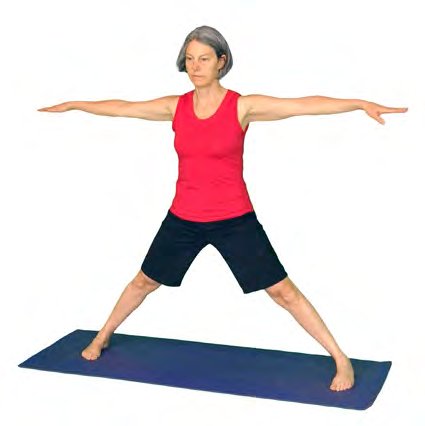
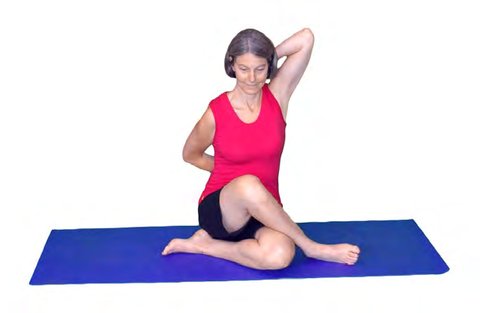
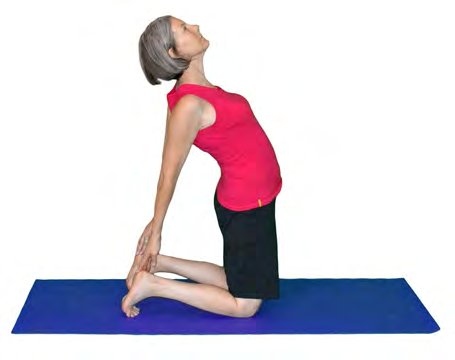
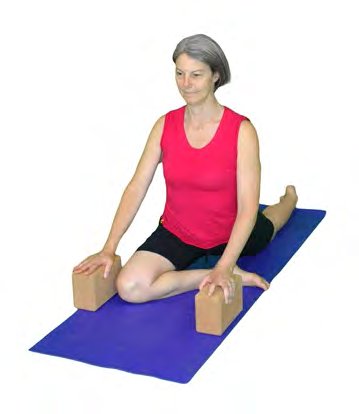
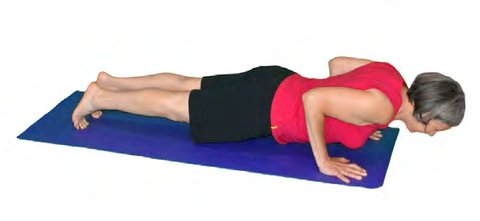
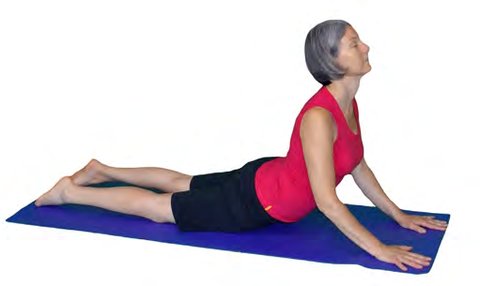
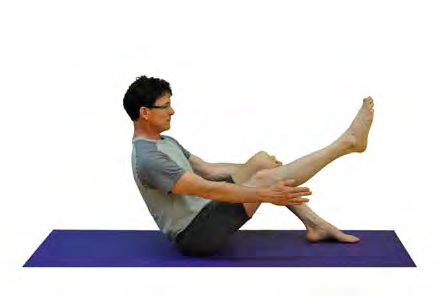
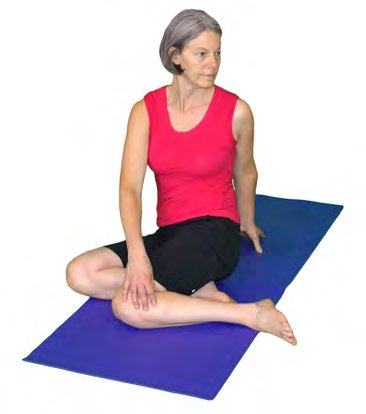
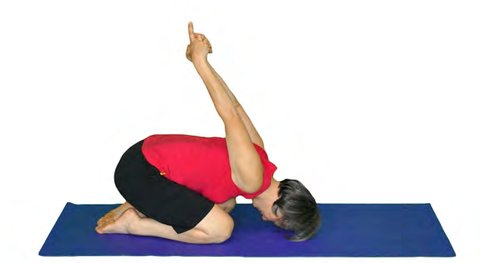
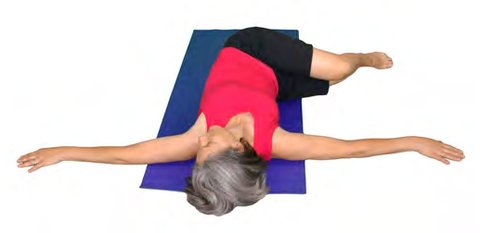
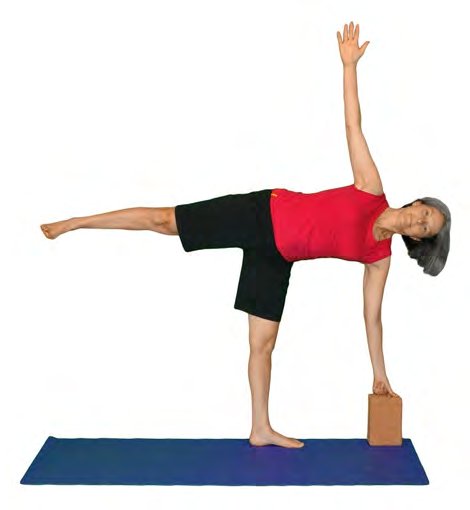
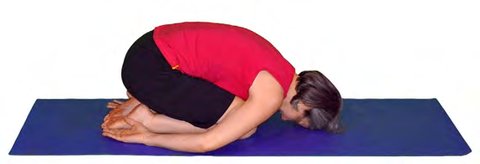
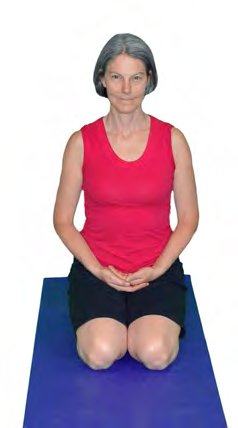
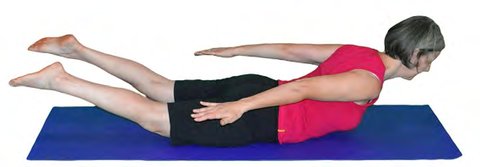
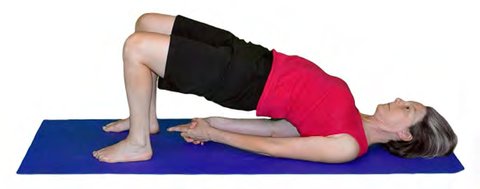
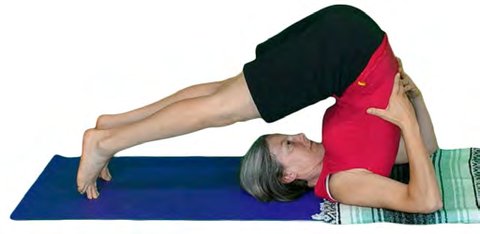
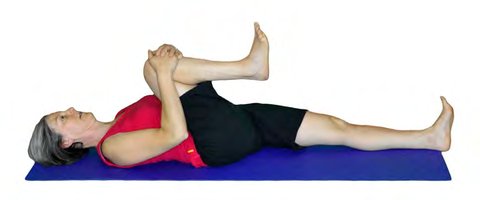
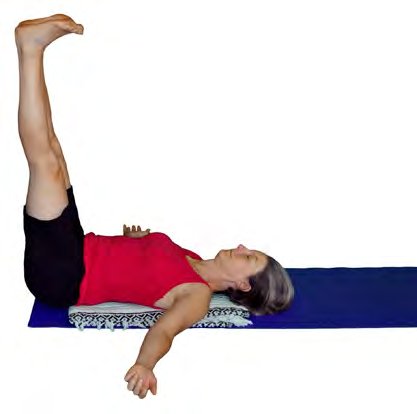
How it works

Two months, one honest answer at a time

1

Pick your week

Follow the weeks in order, or jump to the theme you need right now. Every week stands on its own.

2

Journal and practice

Answer the week’s questions in your private journal and work with the week’s poses on the mat.

3

Track your progress

Sign in to see how many questions you have journaled in each week. Everything stays private by default.

Week 1 begins with a single question.

Create a free account and journal your way through all eight weeks. No year-long commitment. Just eight weeks of showing up for yourself.

Begin the 8-Week Journey